Months after a massive wildfire scorched Black Canyon of the Gunnison National Park in Colorado, officials push forward with recovery work. The lightning-sparked blaze, which started in July 2025 and burned over 4,200 acres, has left lasting damage, but teams now focus on rebuilding trails, stabilizing soil, and restoring visitor areas.
Fire’s Devastating Start and Spread
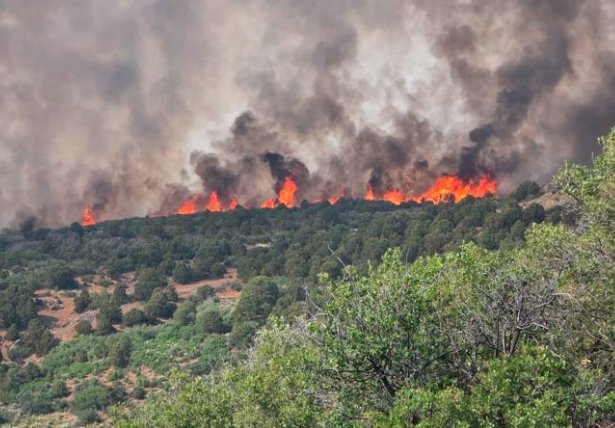
The South Rim Fire ignited on July 10, 2025, from a lightning strike in the park’s steep terrain. High temperatures, low humidity, and strong winds fueled its rapid growth, leading to the full closure of the park and evacuation of visitors.
Crews faced tough challenges in the rugged landscape, where steep canyons made firefighting hard. The blaze destroyed six structures, including park service buildings and visitor facilities. It reached full containment on September 18, 2025, after burning 4,232 acres.
Park staff quickly formed a burned area emergency response team to evaluate risks. This group identified threats to safety, property, and natural resources right after the fire died down.
Recent data shows wildfires like this have increased in frequency across the western United States due to climate change and drier conditions. In 2025 alone, Colorado saw several major fires, highlighting the need for better prevention strategies.
Key Restoration Projects Underway
Restoration kicked off soon after the flames subsided, with a shift in park operations. Officials now prioritize soil stabilization, invasive species control, and reseeding efforts on a larger scale than usual.
Teams have reopened most trails, including the Oak Flat and Uplands Trails in late November 2025. This allows visitors to return safely while work continues.
The campground and maintenance complex suffered heavy damage, requiring long-term fixes. Park leaders estimate repairs could take years, but they plan to open about 36 campground sites by next year.
Here are some main restoration steps:
- Soil stabilization through seeding and barriers to prevent erosion.
- Removal of burned debris to reduce flood risks in rainy seasons.
- Rebuilding damaged structures with fire-resistant materials.
- Monitoring water quality in the Gunnison River to protect aquatic life.
These actions aim to protect the ecosystem and make the park more resilient to future fires.
Wildlife and Ecosystem Recovery Signs
Surprisingly, wildlife has bounced back fast in the burned areas. Deer returned almost right away, feeding on new shoots from Gambel oak trees.
Lizards and other small animals also showed up soon after the fire ended. Park experts note that fires can renew habitats by clearing old growth and promoting fresh vegetation.
However, some long-term effects linger. The loss of mature trees could impact bird populations and soil health for years. Officials track these changes to guide recovery.
A recent study from the National Park Service shows that post-fire regrowth often happens within months in similar ecosystems. Green sprouts have already appeared in scorched spots, signaling hope for the park’s forests.
Challenges and Future Plans
Restoration faces hurdles like limited funding and the park’s remote location. Crews work in tough weather, and supply chains for materials add delays.
Park superintendent Stuart West sees this as a chance to improve. Ideas include relocating roads or turning dead-end paths into loops for better access.
The table below outlines a basic timeline for major recovery milestones:
| Milestone | Expected Date | Details |
|---|---|---|
| Trail Reopenings | November 2025 | Oak Flat, Uplands, and select rim trails accessible again. |
| Campground Partial Opening | Spring 2026 | About 36 sites ready for visitors. |
| Full Infrastructure Repairs | 2027-2028 | Rebuilding maintenance complex and other facilities. |
| Ecosystem Monitoring | Ongoing through 2030 | Tracking wildlife and vegetation regrowth. |
These plans tie into broader efforts across national parks to combat wildfire risks, especially after busy fire seasons in recent years.
Community Impact and Support
Local communities in Montrose and Gunnison felt the fire’s effects through tourism drops and air quality issues. Businesses lost revenue during the closure, but reopening trails has started to bring people back.
Volunteers and donations have helped speed up recovery. Nearby residents join clean-up events, showing strong community spirit.
Experts predict full recovery could take a decade, but early progress boosts morale. This event mirrors other 2025 fires in Colorado, urging better forest management statewide.
Share your thoughts on national park recoveries or your visits to Black Canyon in the comments below. If this story resonates, pass it along to friends who love the outdoors.