
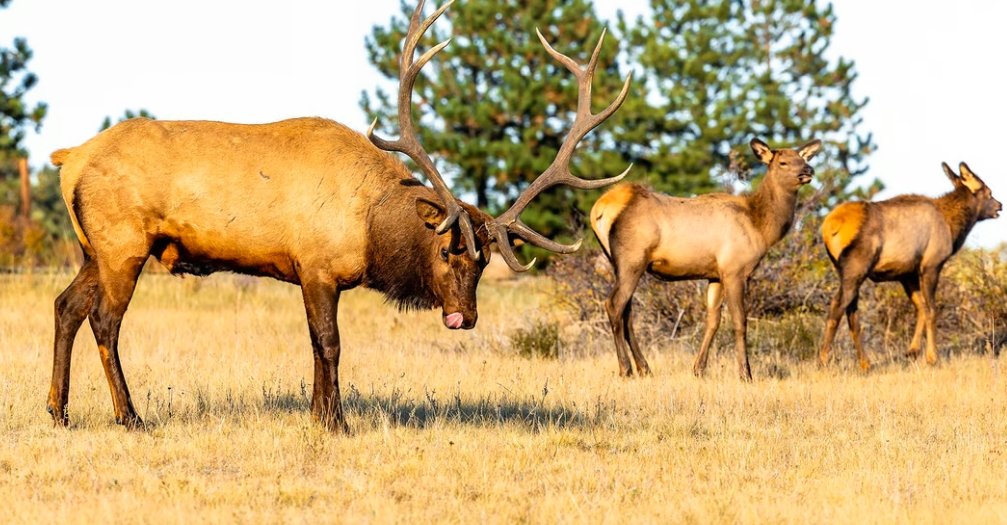
The Bureau of Land Management starts its annual winter closures on December 1 in Colorado to safeguard big game animals like deer and elk. These measures in areas around Grand Junction aim to cut down on human disturbance during the harsh winter months when wildlife needs every bit of energy to survive.
Why BLM Implements Winter Closures
Winter brings big challenges for wildlife in Colorado. Animals such as mule deer, elk, and pronghorn move to lower elevations where snow is lighter and food is easier to find. These spots, known as big game winter ranges, become crowded with life trying to endure the cold.
Human activity can disrupt this delicate balance. Off road vehicles and even mountain bikes force animals to run, burning crucial calories they need to stay warm and fed. BLM officials stress that these closures help keep wildlife populations strong by giving them peace during the toughest season.
Experts point out that climate shifts have made winters more unpredictable. Recent studies show elk herds in the West have faced higher stress levels due to increased recreation. By closing roads, the BLM works with groups like Colorado Parks and Wildlife to promote healthier habitats.
Key Areas Closed in Grand Junction Field Office
The Grand Junction Field Office covers closures from December 1 through May 1 in Mesa, Delta, and Montrose Counties. These restrictions target popular off road spots to shield sensitive winter ranges.
Here is a list of the main closed areas:
- Coal Canyon Road in the Little Book Cliffs Wild Horse Area
- Blue Mesa
- Beehive
- Chalk Mountain
- Grand Mesa Slopes at Horse Mountain
- Sink Creek
- Mesa Creek
- Land’s End roads
- Gibbler Gulch Wagon Park
- Sawmill Mesa Area
Signage will mark these zones clearly. Drivers and riders must stick to open paths to avoid fines. The goal is simple: let nature take its course without extra pressure on the animals.
Rules During the Closures
Closures ban motorized vehicles like cars, trucks, and ATVs, plus mechanized ones such as mountain bikes. But not everything shuts down. Hikers and horseback riders can still enjoy many trails as long as they stay quiet and keep distance from wildlife.
Pets must stay leashed to prevent chasing or scaring animals. BLM rangers patrol these areas and encourage reports of violations. Following rules helps everyone from locals to visitors respect the land.
In nearby Colorado River Valley Field Office, closures run until April 15 and affect spots like Williams Hill, Dry Rifle Creek, and parts of Basalt Mountain in Eagle, Garfield, and Pitkin Counties. These align with broader efforts across the Western Slope.
Expert Views on Wildlife Protection
Jim Lovelace, a BLM conservation manager, explains the stakes well. He notes that every time an animal flees from noise or movement, it wastes energy it cant afford to lose. This is especially true in Colorado, where big game numbers have rebounded thanks to such protections.
Recent events tie into this too. Last years mild winter led to more early migrations, but a snowy start this season means animals need even more help. Wildlife biologists report that undisturbed ranges see up to 20 percent better survival rates for fawns and calves.
The BLM coordinates with local communities to balance recreation and conservation. Interactive maps online show exact boundaries, making it easy for outdoor enthusiasts to plan trips around the rules.
| Field Office | Closure Dates | Main Counties Affected | Key Protection Focus |
|---|---|---|---|
| Grand Junction | Dec 1 – May 1 | Mesa, Delta, Montrose | Mule deer and elk winter ranges |
| Colorado River Valley | Dec 1 – Apr 15 | Eagle, Garfield, Pitkin | Pronghorn and moose habitats |
This table highlights how closures vary by office but share the same aim of big game winter range protection.
Broader Impact on Colorado Outdoors
These measures go beyond just animals. They prevent road damage from wet conditions and reduce fire risks in dry underbrush. Colorado sees millions of visitors yearly, and thoughtful planning keeps public lands open for future use.
Local economies benefit too. Healthy wildlife draws hunters and watchers, supporting jobs in guiding and gear sales. Past closures have led to stronger herds, boosting hunting permits by 15 percent in some areas over the last five years.
As trends show more people hitting the trails, the BLM pushes education. Workshops and apps help users learn about seasonal changes. This builds a culture of respect for nature in a state known for its wild beauty.
Stay informed on BLM winter closures and big game protection efforts. Share your thoughts in the comments below and spread the word to help keep Colorado’s wildlife thriving.