Airports across the United States brace for their peak rush as Thanksgiving approaches on November 27, 2025, with officials urging travelers to plan carefully for smoother journeys. In Grand Junction, Colorado, the regional airport expects its busiest week ever, serving 15,000 to 20,000 passengers amid national forecasts of over 81 million people hitting the roads and skies.
Record Travel Surge Sets New Benchmarks
The American Automobile Association projects a record 81.8 million Americans will travel at least 50 miles from home during the holiday period from November 25 to December 1, 2025. This marks a slight increase from last year, driven by families reuniting after a year of economic ups and downs.
About 73 million of those travelers plan to drive, filling highways with eager holiday goers. Flying sees a 2 percent uptick, with around 6 million passengers expected at U.S. airports. This surge comes after recent challenges from a government shutdown that caused flight disruptions, but airlines now report normal operations resuming just in time.
Experts note that while gas prices hover around national averages of $3.25 per gallon, slightly higher than 2024, the desire to gather with loved ones outweighs costs for most. Recent events, like improved weather forecasts avoiding major storms in key regions, add optimism, though travelers should monitor updates closely.
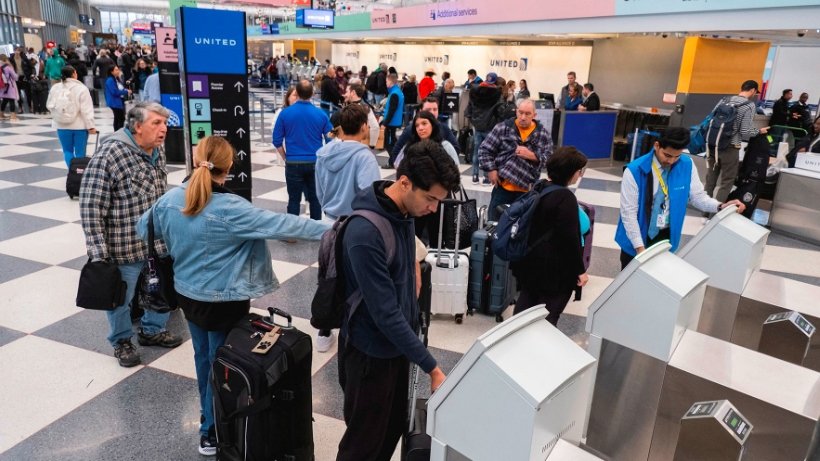
Identifying Peak and Off-Peak Travel Days
Timing makes all the difference in avoiding chaos during this busy season. Data from transportation analysts highlight specific days when airports and roads will see the heaviest traffic.
Tuesday, November 25, and Wednesday, November 26, stand out as the most crowded outbound days, with Sunday, November 30, topping the list for returns. In contrast, Thanksgiving Day itself offers lighter loads, ideal for those flexible with schedules.
To help plan better, here is a table outlining the best and worst times to travel by car or plane based on recent forecasts:
| Travel Mode | Best Times to Depart | Worst Times to Depart | Expected Impact |
|---|---|---|---|
| Driving | Before noon on Tuesday, Nov. 25; Before 11 a.m. on Wednesday, Nov. 26; Any time on Thanksgiving Day | Afternoon on Wednesday, Nov. 26; All day Sunday, Nov. 30 | Up to 20% slower speeds on peak afternoons |
| Flying | Early morning flights on Thanksgiving Day; Midweek off-peak hours | Evenings before and after holiday; Sunday returns | Security lines over 30 minutes, potential delays |
This table draws from traffic data and airline schedules, showing how small shifts in timing can save hours. For instance, last year’s Sunday post-Thanksgiving saw over 3 million passengers screened nationwide, a record that could repeat or break in 2025.
Smart Packing Strategies for Security Checkpoints
Nothing derails a trip faster than issues at TSA checkpoints, so knowing what to pack proves essential. Officials stress checking bags thoroughly to avoid prohibited items that slow everyone down.
Solid foods like turkey slices, pies, and casseroles can pass through carry-ons without issue, but creamy dishes or gravies fall under the 3-1-1 liquids rule: containers of 3.4 ounces or less in a single quart-sized bag. For checked luggage, larger portions work fine, but remember food safety to prevent spoilage during travel.
Ice packs are allowed if completely frozen at screening, helping keep perishables cold. Recent traveler stories highlight mishaps with overlooked items like sports drinks or lotions, leading to extra scrutiny. To stay prepared:
- Review the TSA app for real-time rules and wait times.
- Opt for TSA PreCheck if eligible, cutting lines significantly.
- Pack gifts unwrapped to avoid unpacking at security.
- Double-check for sharp tools or large electronics in carry-ons.
These steps not only speed things up but also reduce stress, especially with families juggling kids and elders.
Essential Advice on Connectivity and Arrival Times
Staying informed keeps disruptions at bay during this high-volume period. Airport leaders recommend downloading airline apps and ensuring email details are up to date for instant alerts on changes.
Notifications for delays or gate shifts can prevent missed connections, a common headache in past holidays. With flights now stable after earlier cancellations, reliability improves, but vigilance pays off.
Arrival recommendations vary by needs. The TSA suggests two hours before domestic flights, but add an extra hour if checking bags or traveling during peaks. At smaller airports like Grand Junction Regional, this buffer handles the expected 3,000-plus passengers on return Sunday without panic.
One paragraph on local flavor: In Grand Junction, recent renovations at the terminal enhance the experience, with new seating and faster Wi-Fi aiding waits. Officials there confirm smooth operations, tying into national trends where patience with staff, post-shutdown, fosters better vibes.
Local Focus: Grand Junction Airport Gears Up
Grand Junction Regional Airport exemplifies the national buzz, predicting its annual high with thousands streaming through. CEO Angela Padalecki highlights Friday as an early peak, followed by the pre-holiday rush and post-feast exodus.
The airport serves over 3,000 on that busy Sunday alone, part of the 15,000 to 20,000 weekly total. Tips here mirror broader advice: arrive early, pack wisely, and connect digitally. With no lingering cancellations, travelers can count on on-time departures, boosting confidence for Colorado-bound flights.
This local surge reflects wider patterns, where regional hubs see disproportionate jumps. For those flying into Western Slope areas, combining these tips with weather checks for mountain passes ensures safe arrivals.
As you gear up for Thanksgiving travels in 2025, remember these strategies to turn potential headaches into smooth sails. Share your own tips or experiences in the comments below, and pass this article along to friends hitting the road or skies soon.