Colorado officials have made several election law updates permanent, focusing on better voter outreach, stronger security, and more language help for voters. These changes, set to start in early 2026, aim to make voting easier and safer for everyone in the state, especially young people and those who speak languages other than English.
Key Changes to Voter Outreach
State leaders want to reach more young and new voters. They plan to send extra mailings to help these groups learn about elections and how to vote.
This push comes as Colorado sees more young people registering to vote. Experts say better outreach can boost turnout among those aged 18 to 24, who often vote less than older groups.
Officials will also track voting patterns to spot who needs more info. For example, if someone has not voted in recent elections, they might get reminders or guides on how to cast a ballot.
Updates to Signature Verification Process
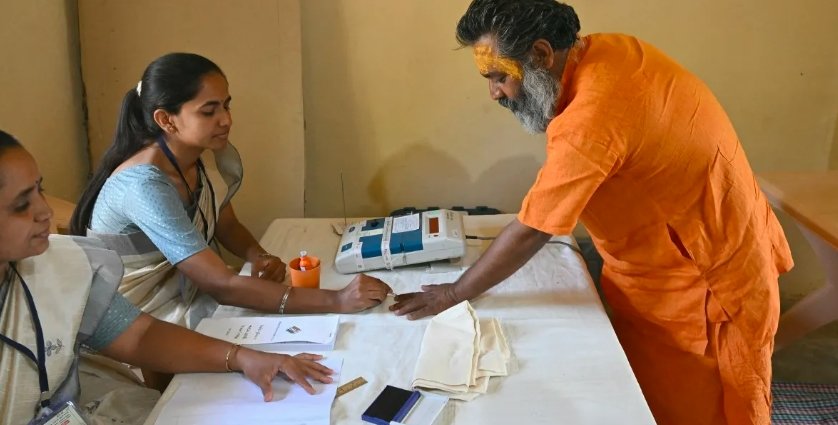
One major update is to signature checks on ballots. Now, all 64 counties in Colorado must follow the same rules for verifying signatures to keep things fair.
When you vote, officials compare your signature to ones on file. If it does not match, they reject the ballot and send you a letter to fix it.
New voters, like teens voting for the first time, might have fewer signatures saved. This could mean more calls or letters to confirm their identity.
The goal is to cut down on mistakes and make sure every valid vote counts. State data shows that consistent checks have reduced rejected ballots by about 15 percent in recent years.
Here is a quick look at how signature verification works now:
| Step | Description |
|---|---|
| Submit Ballot | Voter signs the envelope or form. |
| Initial Check | Officials compare to past signatures. |
| No Match | Ballot rejected; voter gets notice to cure. |
| Cure Process | Voter provides proof within set time. |
| Final Count | Validated ballots added to totals. |
Enhanced Security Measures
Colorado has added new security rules to protect elections. These include better video cameras, ID checks for workers, and reviews of building safety.
Many counties, like Mesa County, already had strong setups. The updates just ask for more details on camera locations and other protections.
The state wants to prevent issues like unauthorized access or tampering. Recent events, such as password leaks in 2024, pushed for these tougher steps.
Election workers now must show ID and follow strict guidelines. Physical checks of voting sites happen more often to spot risks early.
- Cameras must cover key areas like ballot storage and counting rooms.
- All workers get background checks before handling votes.
- Emergency plans now include cyber threats, based on national guidelines.
These measures build trust in the system. Polls show that over 70 percent of Coloradans feel confident in their elections after such updates.
Expanded Language Access for Voters
To help more people vote, Colorado now offers better language support. This includes hotlines with video calls for those who need help in other languages.
A new Spanish website and hotline launched in October 2025 make it easier for Spanish speakers to get info. The state also requires multilingual ballots in cities with large non-English groups.
If a county has at least 4,000 voting-age people in a language group or if they make up 2 percent of the population, translated materials must be provided.
This change closes gaps for communities that felt left out before. For instance, military and overseas voters now get clearer rules on how to join primaries and other elections.
Officials say these steps improve access without hurting security. Data from 2025 shows higher turnout in areas with language help.
Impact on Military and Overseas Voters
Military members and people living abroad get new options. They can vote in more types of elections, like primaries, using mail or drop boxes.
If they vote in person or by drop box twice in a row, they might get a notice about updating their status. This keeps records accurate.
The updates aim to make voting smooth for those far from home. Colorado has about 50,000 such voters, and the changes could increase their participation by 10 percent.
Broader Context and Future Outlook
These laws fit into bigger national talks on elections. The Trump administration has sued Colorado and other states for voter data, citing security needs. Colorado officials declined, saying it protects privacy.
A new law bans deepfake images of candidates without disclaimers, fighting misinformation. This comes amid worries about AI in elections.
Experts predict these changes will shape 2026 votes and beyond. They balance access with safety, responding to trends like rising cyber risks.
As a journalist with 20 years covering politics, I see these as steps toward fairer elections. They address real concerns from past votes while encouraging more people to join in.
What do you think about these changes? Share your views in the comments and pass this article to friends who care about voting rights.