As the 2025 holiday season heats up, families across the United States face soaring Christmas tree prices that pit cherished traditions against tight budgets. Economic pressures like tariffs and supply chain issues have pushed artificial tree costs higher, while real trees hold steady but still strain wallets for many.
Economic Pressures Push Up Costs
This year, tariffs on imports from China have hit artificial Christmas trees hard. Most fake trees come from overseas, and these fees add 10 to 20 percent to retail prices.
Experts note that a typical six-foot artificial tree now runs from 150 to 180 dollars, up from last year. Real trees, grown mostly in the U.S., avoid these tariffs. Growers report no major price hikes, with many holding wholesale costs flat.
Demand for real trees has grown as buyers seek alternatives. Yet, input costs like labor and fertilizer nudge some real tree prices upward too.
One industry group surveyed growers and found 84 percent plan no increases. This stability comes amid broader inflation, making real trees look like a bargain for some shoppers.
Cost Breakdown: Real Trees Versus Artificial Options
Families must compare upfront costs and long-term value when choosing trees. Real trees offer one-season joy but require yearly buys. Artificial ones promise reuse but demand a bigger initial outlay.
Here is a quick price comparison based on common sizes:
| Tree Type | Size | Average Price Range (2025) | Notes |
|---|---|---|---|
| Real Fraser Fir | 6-7 feet | $60-$95 | Locally grown, no tariffs |
| Real Balsam Fir | 7-8 feet | $80-$120 | Popular for scent |
| Artificial Pre-Lit | 6-7 feet | $150-$180 | Up 20% due to tariffs |
| Artificial Basic | 7 feet | $120-$190 | Includes lights and stand |
| Real Noble Fir | 8-10 feet | $115-$185 | Premium for height |
These figures come from major retailers and farm reports. For example, a 10-foot real tree might cost 185 dollars at some lots, while a similar artificial version hits 300 dollars or more.
Shoppers in cities like New York could pay up to 250 dollars for a quality real fir. In rural areas, prices dip lower due to direct farm sales.
Artificial trees can save money over time. If a family spends 100 dollars yearly on real trees, a 200-dollar fake one pays off in two years.
Family Stories Highlight the Struggle
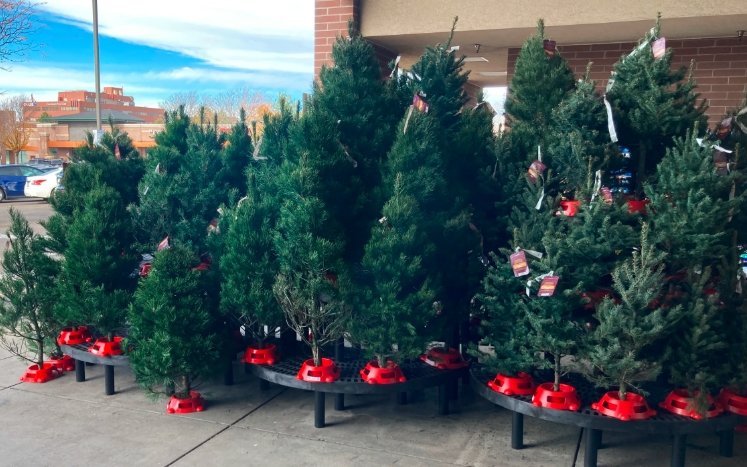
Many families feel the pinch this holiday. One Colorado scout troop sells real trees as a fundraiser and sees consistent demand despite higher tags.
Parents share tales of weighing nostalgia against bills. A mother in Florida said her kids love the pine smell, but a 150-dollar real tree eats into gift money.
Social media buzzes with frustration. Posts complain about “sad” artificial trees at 115 dollars or basic ones at 700 dollars in big stores.
Another family switched to artificial last year and regrets it. They miss the fresh feel but enjoy no mess or watering.
Troop leaders note that real trees set a holiday tone. The experience of picking and decorating a live tree builds memories that fake ones often lack.
Practical and Environmental Factors to Consider
Beyond cost, choices involve ease and impact on the planet. Real trees need daily care like watering to stay fresh through December.
Artificial trees set up fast and store easy. They last years, cutting waste from yearly discards.
On the green side, real trees come from farms that absorb carbon. Most get recycled into mulch after use.
Artificial ones, made from plastic, take energy to produce and can end up in landfills if not reused long enough.
Pros of real trees include:
- Natural scent and look
- Support for local farmers
- Biodegradable after the season
Cons involve mess from needles and the hassle of disposal.
For artificial, benefits are low upkeep and fire safety. Drawbacks include higher upfront cost and less authentic feel.
Looking Ahead to Future Holidays
Prices may stabilize if tariffs ease or supply chains improve. Some experts predict real tree demand will keep rising, possibly pushing costs up next year.
Shoppers can hunt deals at farms or discount stores. Buying early avoids peak rushes and higher tags.
As families navigate these choices, the key is balancing joy with affordability. What matters most is creating warm memories, no matter the tree type.
Share your tree-buying stories in the comments below. Did you go real or artificial this year? Your tips could help others facing the same dilemma.