
As Colorado’s summer temperatures creep past the 90s, veterinarians and shelters are urging pet owners to rethink how — and when — they walk, play, and even sunscreen their dogs.
If you’re sweating, chances are your dog’s already struggling. And with the Colorado sun turning sidewalks into frying pans, the warning from local shelters is clear: don’t wait until it’s too late.
From paw burns to heatstroke, extreme weather doesn’t just hit humans. It hits dogs — hard and fast. Especially the older ones, the flat-faced ones, and those with thick coats or dark fur. According to the Roice-Hurst Humane Society in Grand Junction, pet owners need to adjust their routines now if they want to avoid dangerous outcomes later.
Not Just Uncomfortable — It Can Be Deadly
“Dogs can absolutely get heatstroke, and it can happen faster than you’d think,” said Jenna Kretschman from Roice-Hurst. “Especially senior dogs, overweight dogs, and breeds with smooshed faces like bulldogs or pugs.”
When the sun is beating down, and the air gets sticky, dogs can’t just take off a hoodie or crank the A/C. They rely on panting — and shade, and water — to cool themselves. And when those things aren’t available? That’s when heat exhaustion turns serious.
One common mistake? Thinking they’ll be fine because it’s “just a short walk.”
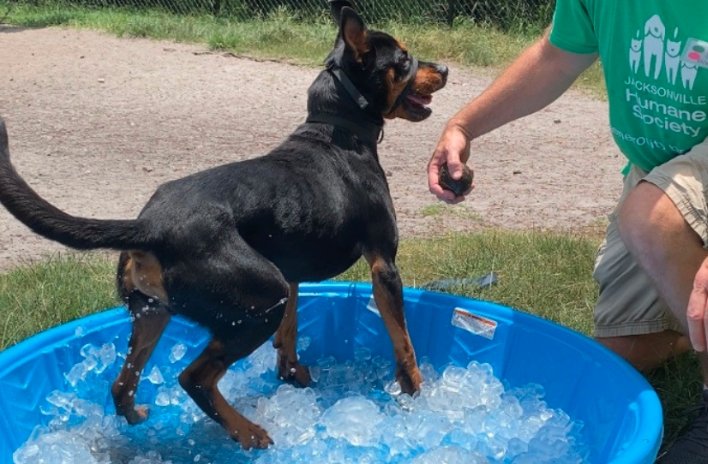
Early Birds and Sunset Strollers Win
Timing is everything.
“You really want to walk them early in the morning or later in the evening,” said Kretschman. “Anything between 10 a.m. and 5 p.m. is usually too hot, especially on pavement.”
There’s a quick trick to check:
-
Place the back of your hand on the pavement
-
Hold it there for 10 seconds
-
If it’s too hot for you, it’s too hot for paws
It sounds simple, but it’s one of the most overlooked habits during the summer.
A Grand Junction dog owner, Anthony Diaz, shared his new schedule: “I used to walk Scout around 1 p.m. — not anymore. Now it’s 6 a.m. or bust. She hated it at first. But I’d rather deal with whining than a vet bill.”
Burned Paws, Heat Stress, and Other Signs You Might Miss
Here’s where it gets tricky: dogs can’t tell you they’re too hot. They just show it — and often, it’s subtle until it’s urgent.
Common signs of heat-related distress:
-
Heavy panting or rapid breathing
-
Disorientation or stumbling
-
Excessive drooling
-
Red gums or tongue
-
Vomiting or diarrhea
-
Weakness or sudden collapse
And paw burns? They’re more common than you’d think.
“One of our biggest emergency calls in July and August is burned pads,” said a Mesa County vet. “You don’t notice until the dog’s limping or licking at their feet, and by then, it’s already raw.”
Even Dogs Need Sunscreen
Yep. You read that right.
“Dogs with light-colored fur, white coats, or pink noses are especially prone to sunburn,” said Kretschman. “You can get pet-safe sunscreen at most pet stores. It’s a small step that makes a big difference.”
But don’t use human sunscreen. Many contain zinc oxide or other ingredients toxic to animals.
Apply it on:
-
Ears (especially the tips)
-
Nose bridge
-
Belly if your dog likes to sunbathe upside down
-
Any exposed skin or thin-haired areas
Cooling Down — But Doing It Right
It’s natural to want to dump a bucket of cold water on a hot dog (literally). But don’t.
“If your dog’s overheating, you want to cool them down gradually,” Kretschman warned. “Ice water can send them into shock. Wrapping them in a towel? That can actually trap the heat.”
What should you do instead?
-
Move them into shade or indoors immediately
-
Offer cool (not cold) water to sip
-
Wet their paws and belly with room-temperature water
-
Place them in front of a fan or use a spray mist
-
Call your vet if symptoms worsen or don’t improve in minutes
Just one paragraph here to reset the tone.
Colorado’s Heat Isn’t Just a Human Problem
Dogs don’t sweat like we do. And they don’t always have the sense to slow down.
That’s why the combination of dry climate, high altitude, and direct sun makes summer especially dangerous in places like Grand Junction, Fruita, and surrounding areas.
Vet clinics say they’ve seen a rise in heat-related cases over the past five years. Part of it is weather. But part of it is people just not realizing how quickly things can go wrong.
“Sometimes we forget how hot it gets out here,” said Diaz. “You think you’re being a good dog owner by getting them exercise. But you have to be smart, too.”
Dog Days of Summer: Fast Facts
| Safety Tip | Why It Matters |
|---|---|
| Walk dogs early or late | Midday pavement can exceed 130°F |
| Use the hand test for pavement | Prevents paw pad burns |
| Provide constant access to water | Dehydration can sneak up quickly |
| Know the signs of heatstroke | Early detection = better outcomes |
| Avoid cold shock with ice water | Cooling should be slow and steady |
| Use pet-safe sunscreen | Prevents sunburn on sensitive areas |
It’s the Little Things That Keep Them Safe
You don’t need fancy gear or gadgets. Sometimes it’s a shaded backyard, a collapsible water bowl, or just knowing when to say “no” to that extra-long walk.
More and more pet parents are adjusting — not just because they’ve read about the dangers, but because they’ve seen them.
And while dogs may not know the forecast, they definitely know when they feel safe, cool, and loved.