Colorado faces fresh travel headaches as mountain snow rolls in right after Thanksgiving. A storm system moving from the Pacific Northwest is set to dump snow across the state’s high country starting Friday night, slowing down drivers and flyers heading home or to holiday spots through Saturday morning.
Storm System Details and Timing
The storm kicks off late Friday, with snow starting between 4 p.m. and 7 p.m. in northern Colorado. It ramps up through midnight and tapers off by Saturday morning around 7 a.m. to 10 a.m. This setup comes from a system tracking inland over the Pacific Northwest on Thanksgiving night, pushing snow toward the Northern Rockies first before hitting Colorado.
Experts note this follows a mild Thanksgiving Day across much of the state. By Friday evening, clouds build, and snow forms over key passes. The focus stays on the central and northern mountains, where conditions turn tricky fast.
Travelers between the Western Slope and Front Range feel the brunt. Flights at Denver International Airport could see delays as snow affects runways and visibility.
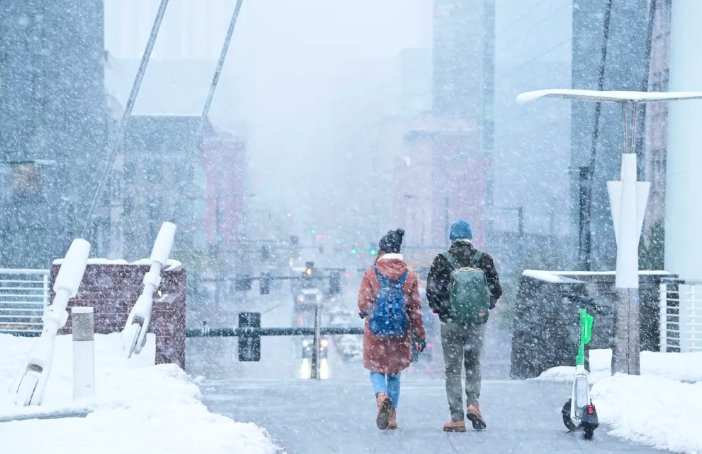
Expected Snowfall Amounts
Snowfall varies by elevation and location, but higher spots get the heaviest loads. Most central and northern mountains expect 1 to 4 inches, while passes like Vail could see 6 to 12 inches. Lower areas, such as the top of Grand Mesa or northern San Juan Mountains, might only pick up an inch or two, with some spots staying dry.
This uneven pattern stems from the storm’s path, which spares the Western Slope from direct hits. Local variations always play a role, but forecasts point to significant buildup on major routes.
For a quick breakdown of potential accumulations:
- Continental Divide areas: Up to 12 inches
- High passes like Vail and Eisenhower: 6 to 10 inches
- Elk Mountains and northern San Juans: 1 to 2 inches
- Grand Mesa: Trace to 1 inch
These amounts build on recent trends, where similar storms in early November dropped over a foot in some Colorado spots, setting the stage for this post-holiday event.
Travel Disruptions and Warnings
Major routes like Interstate 70 face slowdowns and possible closures from Friday evening into Saturday. High passes turn especially hazardous with slick roads and low visibility. This timing clashes with peak post-Thanksgiving travel, as millions return from family gatherings.
National forecasts highlight broader U.S. disruptions, but Colorado’s mountains stand out for their impact on regional trips. Airports report potential flight issues, with de-icing and ground delays adding hours to journeys.
Recent events echo this, like the historic November snowstorm that shut down Denver travel earlier this month, dumping 6 to 12 inches and stranding drivers. Officials urge checking road conditions before heading out.
To help plan, here’s a table of key travel hotspots and expected issues:
| Location | Expected Snow | Travel Impact |
|---|---|---|
| I-70 near Vail Pass | 6-12 inches | High risk of delays and closures |
| Continental Divide | 4-12 inches | Slippery roads, reduced visibility |
| Denver International Airport | Light snow influence | Possible flight delays |
| Western Slope to Front Range | 1-4 inches in mountains | Slowed highway travel |
Upcoming Weather and Broader Outlook
Another storm arrives Sunday, bringing rain that shifts to snow by afternoon. This one hits the Western Slope harder, with heavier snow across the high country into Monday. Travel along I-70 could see even bigger disruptions, tying into a pattern of volatile weather this holiday weekend.
Temperatures drop sharply, with lows in the 20s to 30s Friday night. Saturday warms to the 50s in lower areas, but mountains stay cold. This follows a national trend of winter storms affecting Thanksgiving travel, from heavy rains in the East to snow in the Rockies.
Forecasters tie this to Arctic air colliding with Pacific moisture, a setup seen in recent weeks across Wyoming and Montana too.
Safety Tips for Travelers
Preparation makes all the difference in these conditions. Drivers should pack emergency kits and allow extra time. Airlines recommend monitoring flight statuses closely.
Key advice includes:
- Check Colorado Department of Transportation updates for road closures.
- Use winter tires or chains on mountain passes.
- Avoid travel during peak snow hours if possible.
- Stay informed via weather apps for real-time alerts.
These steps build on lessons from past storms, where quick changes saved lives and reduced accidents.
As this story develops, share your travel experiences in the comments below or on social media. Your insights could help others navigate the weekend safely.