Stargazers across Colorado can look forward to a spectacular show in the night sky this October as the Orionid meteor shower peaks and two bright comets make rare appearances. With clear mountain skies and minimal light pollution in many areas, residents and visitors have prime opportunities to witness these celestial events from now through the end of the month.
The Thrill of the Orionid Meteor Shower
The Orionid meteor shower, one of the year’s highlights, is already underway and will reach its peak on the nights of October 20 and 21. This annual event sends streaks of light across the sky as Earth passes through debris left by Halley’s Comet, creating up to 20 meteors per hour under ideal conditions.
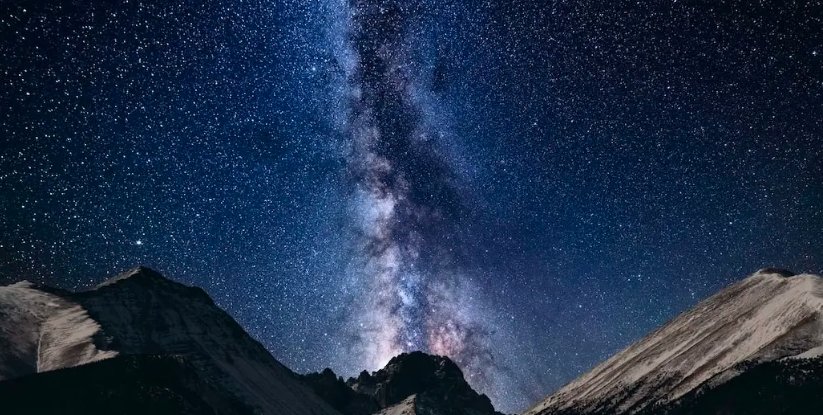
Experts note that the shower’s radiant point lies in the constellation Orion, which rises in the eastern sky after midnight. Viewers in Colorado’s high-altitude locations often report brighter and more frequent sightings due to the state’s dark skies. The lack of moonlight during the peak will enhance visibility, making it easier to spot these fast-moving fireballs that can rival the brightness of Venus.
In recent years, similar showers have drawn crowds to remote spots, reminding us of the timeless wonder of the cosmos. This year’s display ties into broader trends of increased interest in astronomy, fueled by recent solar eclipses and planetary alignments that have sparked public curiosity.
Twin Comets Light Up the Horizon
October brings an extra treat with two comets, C/2025 A6 (Lemmon) and C/2025 R2 (SWAN), becoming visible from Colorado. Comet Lemmon, discovered earlier this year, will swing closest to Earth on October 21 and may glow bright enough for naked-eye viewing by October 24, appearing low in the northwest after sunset.
Comet SWAN, a surprise find from September, adds to the excitement with its greenish tail observable through binoculars in the evening sky from mid-month. These icy visitors from the outer solar system release gas and dust as they near the sun, creating stunning tails that can stretch across the sky. On October 24, stargazers might catch both comets in the same view, a rare alignment not seen in decades.
Local astronomers highlight how these events connect to Colorado’s rich stargazing heritage, where clear air and elevation provide unmatched clarity. Past comet sightings, like those in 2023, have inspired community gatherings and even boosted tourism in dark sky areas.
Prime Stargazing Locations in Colorado
Colorado boasts some of the darkest skies in the nation, perfect for October’s cosmic lineup. Head to Great Sand Dunes National Park for expansive views free from city glow, where the dunes frame the meteor streaks beautifully.
Other top spots include Black Canyon of the Gunnison National Park, known for its rugged terrain and minimal light interference, and Pawnee National Grassland east of Fort Collins, ideal for wide-open horizons. For those near Denver, Echo Lake offers accessible high-elevation stargazing with panoramic sights.
| Location | Distance from Major City | Key Features | Best for October Events |
|---|---|---|---|
| Great Sand Dunes National Park | 4 hours from Denver | International Dark Sky Park, dunes for unique foreground | Meteors and comets with minimal pollution |
| Black Canyon of the Gunnison | 5 hours from Denver | Deep canyon views, remote access | Clear southern skies for Orionids |
| Pawnee National Grassland | 1.5 hours from Denver | Flat prairies, easy pull-offs | Wide views of comet paths |
| Rocky Mountain National Park | 1.5 hours from Denver | Alpine meadows, high altitude | Early evening comet spotting |
These sites not only offer excellent viewing but also tie into recent efforts by state parks to certify dark sky programs, preserving the night for future generations.
Essential Tips for Clear Night Viewing
To make the most of these events, preparation is key. Start by checking weather forecasts, as Colorado’s crisp autumn nights often bring clear but chilly conditions, with temperatures dipping below freezing in higher elevations.
- Dress in layers and bring blankets or chairs for comfort during long sessions.
- Use a red flashlight to preserve night vision, and avoid phone screens that wash out your eyes.
- Apps like Stellarium can help identify constellations and track comet positions in real time.
- Arrive early to let your eyes adjust, which takes about 20 to 30 minutes in total darkness.
Safety comes first, especially in remote areas, so travel with a buddy and inform someone of your plans. These simple steps can turn a casual glance upward into a memorable experience, solving the common problem of light-polluted urban viewing.
Local Events and Community Gatherings
Colorado’s astronomy clubs are hosting star parties to guide newcomers through the October spectacles. The Colorado Springs Astronomical Society offers a public event at Lake Pueblo State Park on October 11, featuring telescopes and expert talks on the Orionids.
Further events include the MacLaren Community Stargazing Night on October 11 in Colorado Springs and a dark sky program at Florissant Fossil Beds on October 18. These gatherings provide hands-on learning, often with live demonstrations of comet tails and meteor paths.
Such events reflect a growing trend in community science engagement, similar to recent solar observation workshops that drew thousands. They not only inform but also entertain, fostering a sense of connection under the stars.
As October unfolds, grab your gear and head out to witness these wonders firsthand. Share your sightings in the comments below and encourage friends to join the stargazing fun, because moments like these remind us of the magic right above our heads.