Colorado’s Universal Preschool Program has shattered enrollment records for the 2026-2027 school year, with over 12,000 families applying in the first few days. This surge highlights growing demand for free early education across the state, as parents rush to secure spots before the February 2, 2026 deadline.
Surge in Applications Breaks Previous Marks
Families across Colorado submitted 12,886 applications by December 22, 2025, for the upcoming preschool year. On the very first day of enrollment, 5,913 applications poured in, marking a 48.7 percent jump from the previous year’s opening day.
This fourth year of the program, which started in 2023, shows no signs of slowing down. State officials point to better awareness and the real savings it offers as key drivers. Governor Jared Polis celebrated the milestone on social media, calling it a win for family budgets and child development.
The rush comes amid broader trends in early childhood education. Nationwide, states like New Mexico and Michigan have expanded similar initiatives, but Colorado’s model stands out for its universal access. Experts say this reflects a post-pandemic shift, where parents prioritize structured learning environments to help kids catch up on social skills lost during lockdowns.
How the Program Works for Families
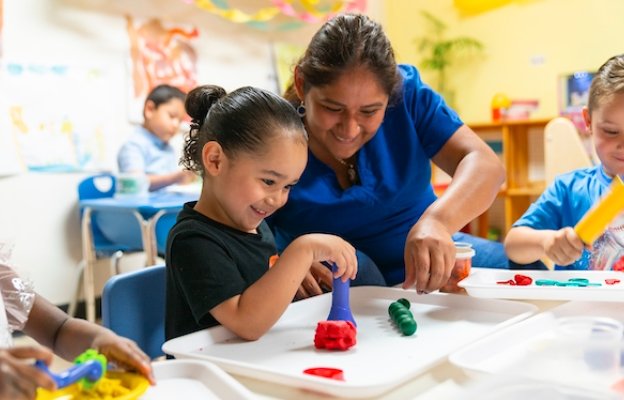
Every child in Colorado can get up to 15 hours of free preschool in the year before kindergarten. Parents apply through a simple online portal at UPK.Colorado.gov, choosing from a mix of school-based, community, and home providers.
The program uses a matching system to pair families with spots. It draws funding from tobacco taxes and state budgets, keeping it cost-free for basics. For those needing more time, extra hours depend on income levels and other factors.
Here are some key qualifying factors for additional support:
- Household income at or below 100 percent of federal poverty guidelines for poverty status.
- Low-income families up to 270 percent of guidelines, plus needs like dual-language learners or special education requirements.
- Children in foster care or with parents in the military often get priority.
This setup ensures broader access, especially in rural areas where options were once limited.
Savings and Impact on Colorado Households
Participating families save about $6,300 per year on average, a figure that has held steady since launch. This relief comes at a time when childcare costs have skyrocketed, with national averages topping $10,000 annually for preschool-age kids.
Beyond dollars, the program boosts child outcomes. Studies show high-quality preschool leads to better reading scores and fewer behavioral issues later. In Colorado, retention rates for providers remain high, signaling stability.
One parent from Denver shared how the program allowed her to return to work without financial strain. Stories like this are common, as the initiative serves all income levels, from urban centers to mountain towns.
A recent report tied the program’s success to Colorado’s economic recovery. With unemployment low at 3.5 percent in late 2025, more parents seek reliable care to balance jobs and family.
Challenges and State Responses
Not every area has equal access yet. Some rural communities report waitlists, prompting calls for more providers. Dr. Lisa Roy, head of the Colorado Department of Early Childhood, noted that while demand is met statewide, targeted support is expanding in underserved spots.
Officials are focusing on quality, with training for teachers and updates to curriculum. No major expansions are planned, but enhancements like better tech for applications are in the works.
| Income Level | Federal Poverty Guideline (2025) for Family of 4 | Potential Extra Hours |
|---|---|---|
| In Poverty | Up to $30,000 | Up to full day |
| Low Income | Up to $81,000 | Based on factors |
| Standard | Above $81,000 | 15 hours free |
This table outlines basic eligibility, though actual amounts vary by family size and location.
Looking Ahead to Sustainable Growth
As enrollment climbs, the state aims to build on this momentum. With nearly 90,000 children served since 2023, and current enrollment at 42,862, the program aligns with goals for equitable education.
Experts predict continued growth, especially as awareness spreads. Recent events, like the national push for affordable childcare in the 2024 elections, have spotlighted Colorado’s approach as a model.
What do you think about Colorado’s preschool push? Share this article with friends or comment below on how it affects your family.