The Colorado Supreme Court has declined to review an appeal in the decades-old Mesa County pipe bombing case, paving the way for a new trial for James Genrich, who was convicted of two murders in the early 1990s. This decision, made public in December 2025, sends the case back to district court after questions arose about the reliability of key forensic evidence used in the original conviction.
Case Background and Bombings
Grand Junction, a quiet city in western Colorado, faced terror between 1989 and 1991 when a series of pipe bombs exploded in public spots. These devices killed two people and injured others, shaking the community.
The bombings started in 1989 with devices left in parking lots and near buildings. One explosion in 1991 claimed the lives of Henry Ruble, a local resident, and 12-year-old Maria Delores Gonzales, who was walking nearby. Investigators linked the bombs through similar construction, including pipes, wires, and timing mechanisms.
James Genrich, then in his late 20s, became a suspect after police found bomb-making materials in his home. He maintained his innocence, but the case relied heavily on expert testimony.
Authorities recovered an unexploded bomb, which played a central role in the evidence against him.
Original Trial and Conviction
In 1993, a jury found Genrich guilty of two counts of murder and related charges. He received a life sentence without parole.
The prosecution’s case hinged on tool mark analysis, a forensic method that examines marks left on materials by tools. An agent from the Bureau of Alcohol, Tobacco, Firearms and Explosives testified that marks on wires from Genrich’s tools matched those on bomb components.
This evidence convinced the jury, leading to the conviction. Genrich appealed multiple times over the years, but initial efforts failed.
Supporters argued the case lacked direct eyewitnesses or confessions, making the forensic link crucial.
Experts at the time viewed tool mark analysis as solid science, but doubts grew in later decades.
Push for New Trial and Forensic Doubts
Advances in forensic science in the 2000s and 2010s cast shadows on tool mark analysis. Studies showed it could be subjective, with high error rates in blind tests.
In 2022, Genrich’s legal team, including lawyers from the Innocence Project, filed for post-conviction relief. They presented new experts who called the method unreliable junk science.
A district court judge held an evidentiary hearing. The defense argued that modern understanding invalidates the original testimony.
Prosecutors countered with their own experts, insisting the analysis remains valid. Despite this, the judge ruled in 2023 that the evidence was flawed enough to warrant a new trial.
This ruling echoed broader trends, like recent cases where bite mark or hair analysis evidence led to exonerations.
Key Court Decisions Timeline
Courts have reviewed the case multiple times since the push for retrial began. Here is a summary of major rulings:
| Date | Court | Decision |
|---|---|---|
| July 2023 | Mesa County District Court | Ordered a new trial due to unreliable tool mark evidence. |
| May 2025 | Colorado Court of Appeals | Upheld the new trial order, agreeing with doubts on forensic methods. |
| September 2025 | Prosecutors’ Petition | 21st Judicial District asked Colorado Supreme Court to review and clarify standards for evolving science in old cases. |
| December 2025 | Colorado Supreme Court | Declined to hear the appeal, sending the case back for retrial. |
This timeline shows the steady progression toward reevaluating the conviction.
Reactions from Involved Parties
The Supreme Court’s decision drew mixed responses. District Attorney Dan Rubinstein expressed disappointment but noted that few cases reach that level.
He stated the focus now shifts to preparing for trial. Genrich’s supporters celebrated, seeing it as a step toward justice.
The Innocence Project highlighted this as part of a national effort to correct wrongful convictions based on outdated science. Family members of the victims shared concerns about reopening old wounds.
Community members in Grand Junction recalled the fear from the bombings. Some hope a retrial brings closure, while others worry about resources spent on a case from over 30 years ago.
Recent similar cases, like a 2024 Texas retrial involving discredited ballistics, add context to these reactions.
What Happens Next in the Retrial
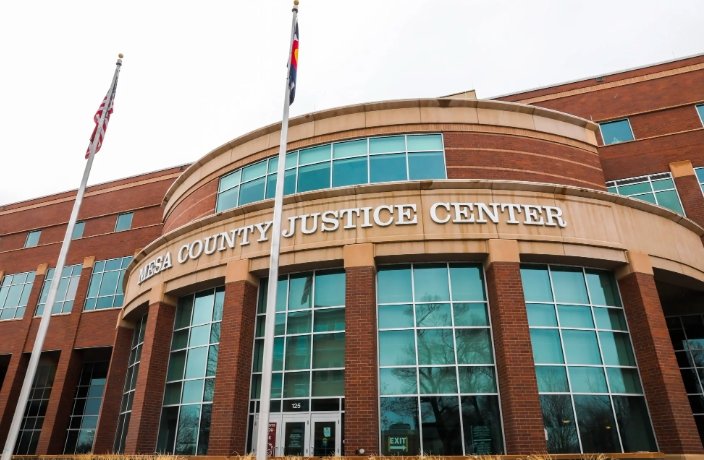
The case returns to Mesa County District Court for a new trial, likely in 2026. Prosecutors must decide if they can build a case without the disputed evidence.
Genrich, now 62 and held at Arkansas Valley Correctional Facility, could face release if acquitted. His team plans to challenge other aspects, like search warrants from the original investigation.
Key questions include:
- Will new forensic technology, such as DNA testing on bomb fragments, play a role?
- How will jurors view evidence from an era before widespread CSI knowledge?
- Could plea deals emerge to avoid a full trial?
Legal experts predict the trial could set precedents for handling evolving science in cold cases.
This development ties into ongoing discussions about criminal justice reform, especially with 2025 seeing record exonerations nationwide.
Share your thoughts on this case in the comments below, and spread the word if you found this update helpful.