
GRAND JUNCTION, Colo. (May 13, 2025) — As drought conditions intensify across western Colorado, vineyards and orchards in the Grand Valley are being forced to double water usage, increase labor spending, and implement emergency conservation strategies to preserve this year’s crop yields.
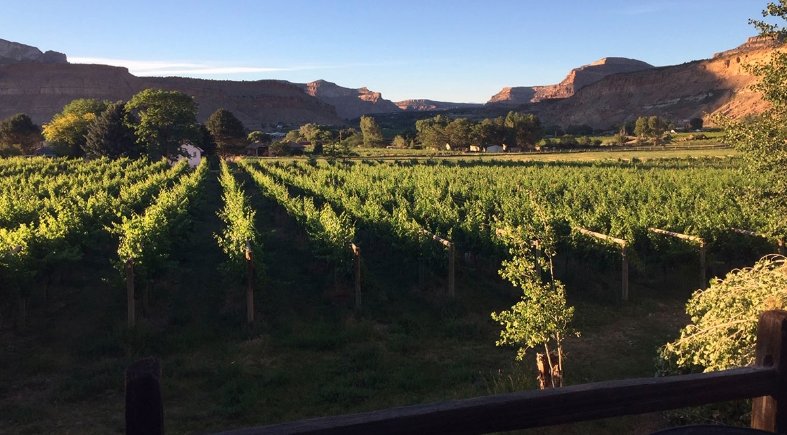
Growers in the Palisade region, the heart of Colorado’s wine and fruit country, say the soil is so dry that standard irrigation methods are no longer sufficient. With surface precipitation offering little relief, many are turning to deep flood irrigation and new soil retention techniques just to keep plants alive.
“We are in an extreme drought out here,” said Ron West, Owner and Manager of Varaison Vineyards and Winery. “We’re starting a flood irrigation program to rehydrate the soil column down to 25 feet. The moisture deficit is that severe.”
Doubling Water Usage to Reach Deep Soil Layers
Varaison manages 7,500 vines, and West says their water input has doubled to compensate for dry subsoil. While senior water rights allow him priority access, he warns that growers with junior rights may soon face severe restrictions.
“Once calls are placed on water, it’s going to change things dramatically,” West said. “Senior rights holders are safe for now, but others will be in trouble if river flows don’t improve.”
Irrigation Systems Under Stress as Water Table Drops
In nearby Early Morning Orchard, manager Mateo reports similar issues. The lower Colorado River water table has increased sediment and debris in irrigation lines, requiring frequent system cleanings and more filters, which drives up labor and materials costs.
“We’re spending more on labor just to keep the system running,” Mateo said. “The water is dirtier, and everything clogs more easily.”
Despite the added strain, Mateo said his orchard has proactively implemented conservation cropping — planting root-heavy plants designed to act like natural sponges. These plants improve water retention and help stabilize moisture levels even in dry years.
Unpredictable Climate Drives Long-Term Planning
Soil readings show that deeper layers in Palisade are significantly drier than average for this time of year. That’s a worrying sign for fruit growers, as root zones are failing to access adequate moisture during critical growth periods.
Although Colorado’s Western Slope has long relied on water rights to manage scarcity, prolonged drought cycles are exposing vulnerabilities in the region’s aging water infrastructure and irrigation practices.
Without major snowfall in the Rockies or widespread summer rains, experts warn that agriculture-dependent communities in Mesa County could face a tipping point by late summer.