
In Delta County, Colorado, more than 3,500 residents face a tough month ahead as November SNAP benefits remain on hold due to the ongoing federal government shutdown. Local officials urge the community to step up and support families struggling with food insecurity while the U.S. Department of Agriculture withholds funding from states.
The Shutdown’s Direct Hit on Local Families
The federal government shutdown, now in its fourth week as of late October 2025, has frozen the release of SNAP funds nationwide. In Delta County, home to over 31,000 people, this means thousands who rely on the program for groceries could go without their usual assistance starting November 1. County leaders explain that existing recipients will see their benefits stuck in pending status, while new applicants get only partial October payments.
This delay comes at a critical time for vulnerable groups. Seniors on fixed incomes and families already battling food shortages feel the pinch hardest. One official noted that SNAP acts as a lifeline for nutrition, especially for those with limited resources. Without it, daily meals become a real challenge, pushing more people toward local food banks that are bracing for an influx of demand.
The situation echoes past shutdowns but hits harder this year due to rising food costs. Inflation has made groceries 20 percent more expensive since 2023, according to recent economic reports, leaving even small delays devastating for low-income households.
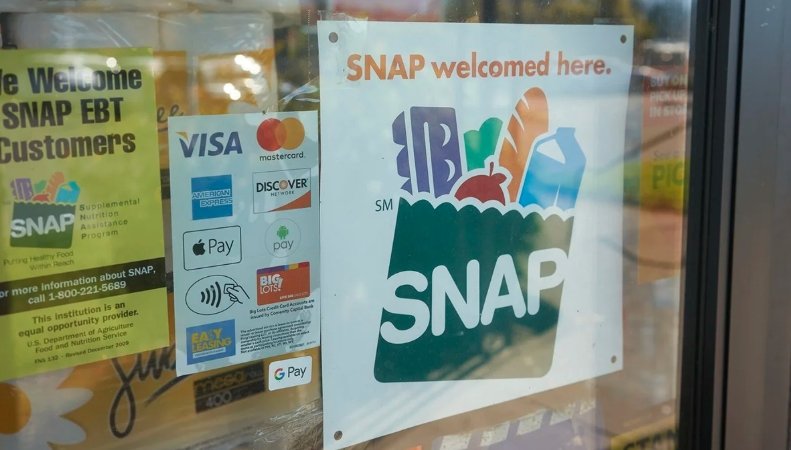
Community Rallies to Fill the Gap
Delta County officials have launched a call for community help to ease the burden on affected residents. They report that individuals have already reached out for guidance on food needs, and the county is sharing tips on using remaining October EBT balances. Partnerships with state and regional groups aim to distribute emergency supplies and connect people with alternative resources.
Local food pantries and nonprofits stand ready to assist, but they warn of potential shortages if the shutdown drags on. Volunteers have stepped up to organize drives, and businesses are donating surplus goods. This grassroots effort highlights the tight-knit nature of the community, where neighbors look out for one another during crises.
To organize support effectively, here’s a quick list of ways residents can contribute:
- Donate non-perishable items like canned goods and pasta to local food banks.
- Offer rides to those without transportation to reach assistance centers.
- Share information on social media about available resources without spreading rumors.
- Volunteer time at distribution events scheduled in the coming weeks.
Such actions not only provide immediate relief but also build long-term resilience against future disruptions.
Broader National and State Impacts
The SNAP hold affects far beyond Delta County, with over 40 million Americans nationwide at risk of missing benefits. In Colorado alone, more than 600,000 people depend on the program, and the state estimates a $120 million shortfall for November. Governors across the country, including Colorado’s, have warned of economic ripple effects, as every dollar in SNAP spending generates $1.50 in local activity.
Some states explore using contingency funds to bridge the gap, but federal rules limit this option. The USDA has stated that no new benefits can issue until funding resumes, potentially leading to widespread malnutrition if unresolved. Recent data shows rural areas like Delta County suffer disproportionately, with higher participation rates in SNAP compared to urban spots.
For a clearer picture of the scale, consider this table comparing affected populations:
| Region | Total Population | SNAP Recipients | Estimated November Shortfall |
|---|---|---|---|
| Delta County, CO | 31,000 | 3,500 | $500,000 |
| Colorado State | 5.8 million | 600,000 | $120 million |
| United States | 333 million | 40 million | $6 billion |
This data underscores the urgency, drawing parallels to the 2018-2019 shutdown when similar delays sparked public outcry and boosted food bank usage by 30 percent.
Looking Ahead: Resolution and Recovery
Experts predict benefits could apply retroactively once Congress passes a budget, but the timeline remains uncertain amid partisan talks. The shutdown, triggered by disputes over spending cuts, marks the longest since 2018-2019 and ties into broader debates on fiscal policy. In the meantime, counties like Delta focus on damage control, monitoring daily needs and updating residents via alerts.
Related events, such as preschool aid cuts starting this weekend, compound the stress on families. If the impasse lasts into December, experts warn of increased poverty rates and health issues. However, positive signs include bipartisan calls for quick action, with some lawmakers pushing emergency measures.
Recovery will take time, even after funds flow again. Communities must rebuild trust in support systems and advocate for reforms to prevent repeats. For now, the emphasis stays on unity and practical steps to keep pantries stocked.
As Delta County navigates this challenge, readers can make a difference by sharing this story, commenting on local impacts, and reaching out to representatives to urge a swift end to the shutdown.