
DELTA, Colo. — The permanent closure of Grand Junction’s HomewardBound shelter in February has sent shockwaves across the Western Slope, pushing Delta’s Riverbend Resource Center to the edge of collapse and exposing a painful truth: the region has almost no safety net left for people living on the streets.
Since the shutdown, new faces have started showing up at Delta’s small facility looking for help that simply isn’t there. Showers, laundry, case management, and a warm place to sit during the day are already stretched thin, and staff fear the next wave could break them.
Riverbend Center Operating at Maximum Capacity
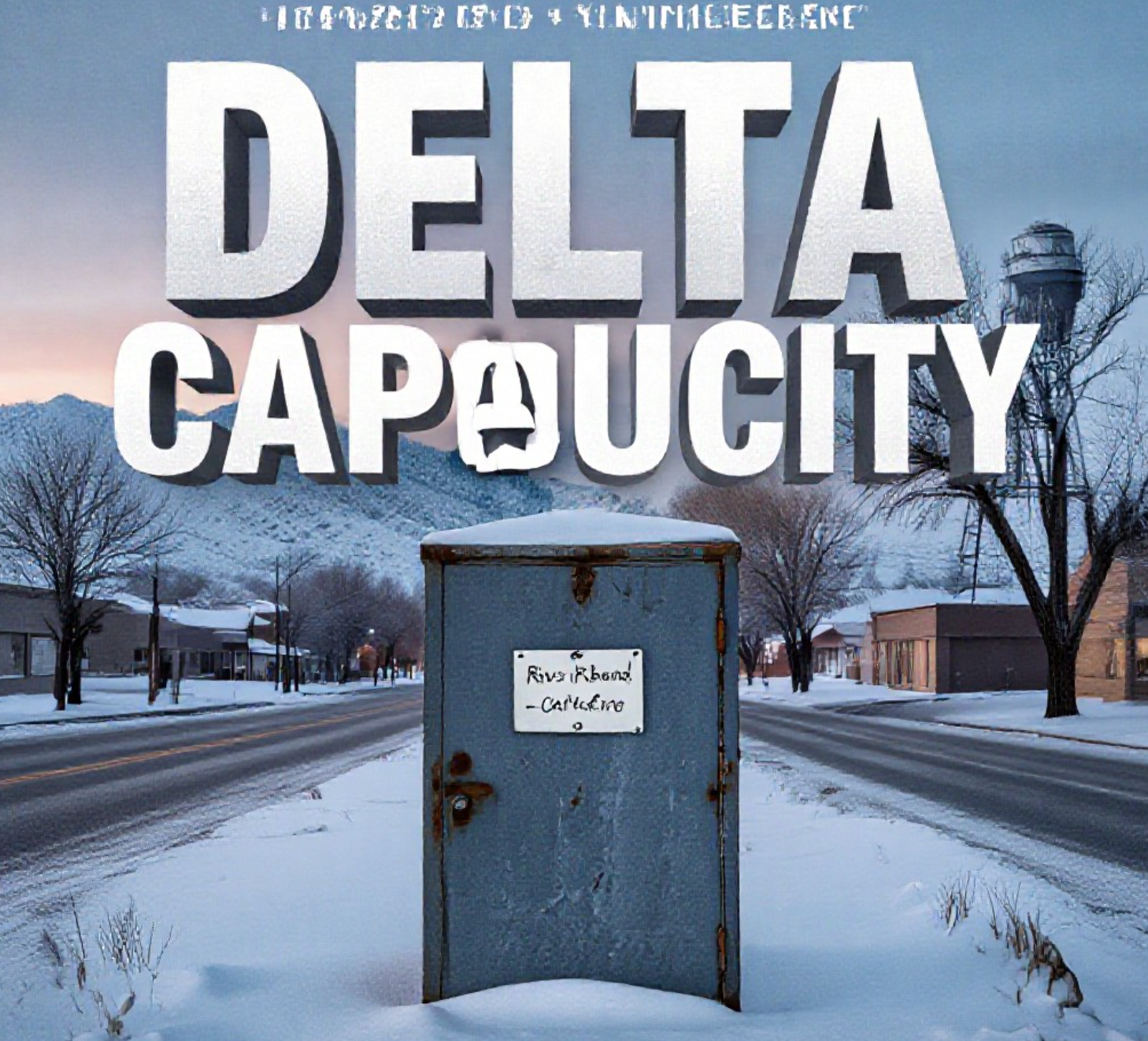
The Riverbend Resource Center on Main Street is the only daytime drop-in center between Grand Junction and Montrose. Two case managers serve dozens of people every week.
“We are basically at capacity right now,” says Leticia Sperry, the center’s supervisor. “If twenty or thirty more people show up from Grand Junction, we honestly won’t be able to give them the help they deserve.”
The center offers hot showers, laundry machines, mail services, job assistance, mental health referrals, and bus tickets when funding allows. Every service is now rationed by time and staff availability.
HomewardBound Closure Leaves Hundreds Without Options
When HomewardBound of Western Colorado locked its doors on February 28 after 37 years, it eliminated the largest emergency shelter on the Western Slope. The 70-bed facility had been the last resort for many living in cars, tents, or along the Colorado River.
Grand Junction city leaders cited skyrocketing costs and staffing shortages as the reason for closure. Overnight, people who once had a cot and a hot meal were told to leave.
Many headed east on Highway 50 looking for help. Some landed in Delta.
“We Won’t Turn Anyone Away” – But the Math Doesn’t Add Up
City Manager Elyse Ackerman Casselberry is blunt about the limits.
“We’re a compassionate community and we will never say no to someone walking through the door,” she told reporters this week. “But two case managers can only do so much. We’re already maxed out.”
Delta officials are actively recruiting a third case manager and, if successful, plan to open a small emergency overnight shelter this winter — possibly as few as 10 to 15 mats on the floor.
That’s still a fraction of what HomewardBound provided.
The Western Slope’s Chronic Service Gap No One Wants to Talk About
Long before HomewardBound closed, mayors and county commissioners from Glenwood Springs to Montrose have been saying the same thing in private: the region has no detox beds, almost no mental health crisis beds, and exactly zero permanent supportive housing for people with severe behavioral health needs.
“The kind of intensive support that people experiencing chronic homelessness need simply does not exist anywhere on the Western Slope,” Ackerman Casselberry said. “This isn’t new. The closure just made the problem impossible to ignore.”
What Happens Next Winter?
Staff at Riverbend say they’re already bracing for colder nights. Last January, temperatures in Delta dropped to -12°F. Without Grand Junction’s shelter, people sleeping outside now face a 90-mile journey to the nearest open beds in Pueblo or Denver — if they can even get a bus ticket.
Community members have started donating blankets, coats, and hand warmers. The city is quietly looking at churches and public buildings that could serve as emergency warming centers when the deep freeze hits.
For now, the Riverbend Resource Center remains the thin line between survival and disaster for dozens of people across three counties.
And every day, the line gets thinner.