A highly contagious equine herpes virus outbreak has spread from rodeo events in Texas and Oklahoma, prompting alerts across multiple U.S. states. Health officials urge horse owners to monitor animals closely after cases emerged from barrel racing gatherings in early November 2025.
Origins of the Equine Herpes Virus Outbreak
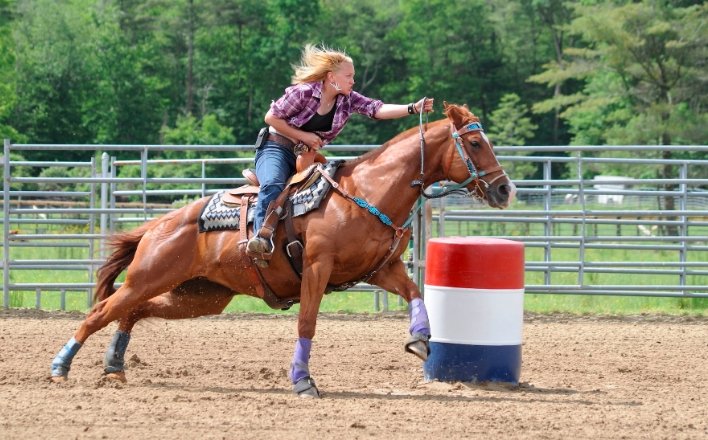
The outbreak traces back to the Women’s Professional Rodeo Association World Finals and Elite Barrel Race held from November 5 to 9 in Waco, Texas. Horses from this event carried the virus, known as EHV-1, which causes equine herpes myeloencephalopathy or EHM in its severe form. Officials report that the virus likely spread through close contact during competitions, with infected animals traveling to other states soon after.
Veterinarians confirm this strain acts aggressively but remains a familiar one to equine experts. Early signs appeared within days of the event, leading to quick investigations by state agriculture departments. By mid-November, cases popped up in Oklahoma and Louisiana, showing how fast the virus moves among traveling horses.
Confirmed Cases and Spread Across States
As of November 25, 2025, the Equine Disease Communication Center tracks confirmed EHM cases in at least seven states. Texas leads with the most reports, including one confirmed horse death, while Oklahoma and Louisiana follow closely. Exposure risks extend to Wyoming, Colorado, Arkansas, Florida, and Alabama, where horses attended related events.
The virus has hit barrel racing and rodeo communities hardest, but no widespread panic exists yet. Experts stress that while numbers grow, proper reporting helps contain it. Rumors of dozens of deaths circulate online, but official tallies show fewer severe outcomes so far.
| State | Confirmed EHM Cases | Related Events | Notes |
|---|---|---|---|
| Texas | 4+ | Waco Barrel Finals (Nov 5-9) | One horse death; quarantines in place |
| Oklahoma | 2+ | Guthrie Arena events | Linked to Texas travelers |
| Louisiana | 3+ | Local rodeos | Monitoring exposed horses |
| Colorado | 1 | Cheyenne and Wheatland races | Recent exposure confirmed |
| Wyoming | 0 (exposed) | Casper and Wheatland | High risk from shared venues |
| Florida | 0 (alert) | Statewide watch | No cases but precautions urged |
| Alabama | 0 (alert) | Biosecurity focus | Event cancellations possible |
This table highlights the latest data from veterinary reports, showing the outbreak’s footprint.
Symptoms Horse Owners Must Watch For
Horse owners face real worry as EHV-1 starts with mild signs that can worsen quickly. Fever often hits first, pushing body temperature above 101.5 degrees Fahrenheit, followed by nasal discharge or coughs from respiratory issues. In bad cases, neurological problems like hindlimb weakness, stumbling, or loss of balance appear, making it hard for horses to stand or urinate normally.
Veterinarians note that not all infected horses show every symptom, which complicates early detection. Some recover fully with care, but others face life-threatening complications. Owners who spot these issues should call a vet right away to test and isolate the animal.
- Fever exceeding 101.5°F as an early warning
- Respiratory signs like coughing or runny nose
- Neurological effects such as limb swelling, weakness, or inability to stand
- Behavioral changes including lethargy or coordination loss
- Urine dribbling or difficulty urinating in severe stages
These bullet points outline key symptoms based on expert guidance, helping owners act fast.
Prevention Measures and Biosecurity Tips
Strong biosecurity stands as the best defense against this outbreak. Experts recommend vaccinating horses against EHV-1 and EHV-4, especially before events, though no vaccine fully blocks the neurological form. At rodeos or stables, avoid sharing buckets, brushes, or tack to stop indirect spread through saliva or mucus.
Isolation proves crucial too, with a 21 to 28-day quarantine for any exposed horse. Clean trailers and venues thoroughly between uses, and limit nose-to-nose contact among animals. Recent events show that simple steps like these could have slowed the virus earlier.
Horse communities now push for better event protocols, including health checks at entry. Trainers share stories of past outbreaks, reminding everyone that vigilance saves lives and keeps the industry moving.
Impact on Rodeo Events and Horse Communities
The outbreak disrupts rodeo schedules across the South and West. The DeSoto County Pro Rodeo in Louisiana canceled due to fears, while teams in Arkansas postponed competitions. In Texas, venues like the Extraco Events Center deep-clean facilities and pause horse entries, affecting local economies tied to these gatherings.
Riders express frustration online, with forums buzzing about canceled practices and lost opportunities. Yet, many see this as a call to unite, sharing tips on safe travel. One recent parallel comes from a 2023 California outbreak that led to stricter rules, proving lessons learned can prevent worse damage.
Broader effects touch breeding farms, where abortions from EHV-1 pose risks. Owners balance event excitement with health, weighing if skipping shows protects their herds long-term.
State and National Responses to the Crisis
State veterinarians lead the charge, issuing alerts and setting up hotlines for reports. In Colorado, the Department of Agriculture monitors closely after one case linked to Texas travel. Federal groups like US Equestrian remind competitors of vaccination rules and provide biosecurity toolkits for events.
Nationwide, the American Association of Equine Practitioners offers guidelines on testing and care. Quarantines hit affected properties, but experts praise quick action in containing spread. As cases evolve, updates from official channels keep owners informed without fueling unfounded fears.
This timely response builds trust in the system, much like during flu seasons in human health. Horse lovers appreciate the transparency, knowing it helps everyone stay safe.
Stay informed on this developing story and share your experiences in the comments below. If you own horses, talk to your vet today and spread the word to fellow riders to prevent further spread.