
In Grand Junction, Colorado, Darin Thrailkill received a life sentence without parole on November 18, 2025, for the 2016 murder of six-year-old Martin Osinski, his girlfriends son at the time. Shantelle Thrailkill, Darins ex-wife, broke her silence in an exclusive interview, revealing the terror she felt during their marriage and the relief she now experiences after his conviction.
The Verdict and Sentencing Details
A Mesa County jury convicted Darin Thrailkill of first-degree murder just one day before his sentencing. The case, which dragged on for nearly a decade, centered on the strangulation death of young Martin, who suffered from potty training issues that reportedly frustrated Thrailkill.
Prosecutors argued that Thrailkill lost control and manually strangled the boy, leading to his death from asphyxia. An autopsy confirmed petechial hemorrhages and marks on Martins neck consistent with strangulation. The defense countered that the child died from a mix of aspiration pneumonia and asthma, but the jury sided with the prosecution after hearing emotional testimonies.
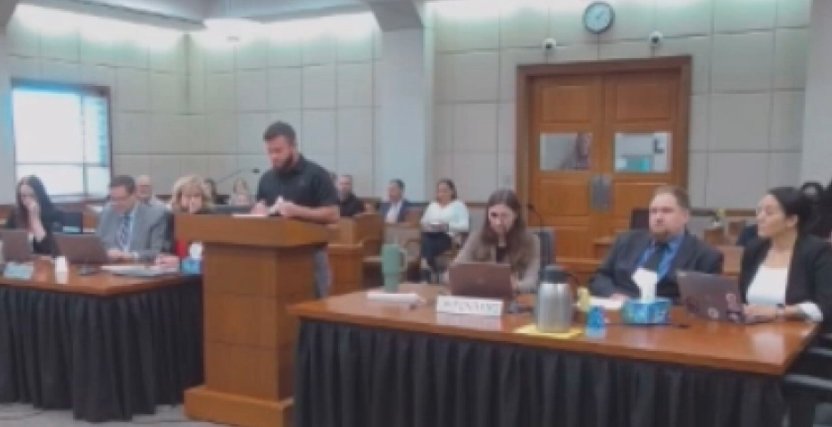
During the hearing, family members delivered powerful impact statements. Martins mother, Krystal Osinski, described the endless grief her family endures, calling it a life sentence of their own. Thrailkill addressed the court briefly, thanking his family and expressing love, but the focus remained on the victims pain.
This conviction highlights ongoing issues in child protection cases across Colorado. Recent reports show a rise in similar incidents, with authorities emphasizing the need for quicker interventions in homes with reported abuse.
Shantelle Thrailkill Recalls a Troubled Marriage
Shantelle Thrailkill described her nearly nine-year marriage to Darin as a nightmare she never expected. They separated in 2011, and she had not spoken to him since June 2016, making the trial a shocking reunion after nine years apart.
She painted a picture of a man who terrified her, rooted in a domestic violence incident in 2010 where he allegedly strangled her. Shantelle explained that fear kept her from reporting it to police right away. She felt too shocked and scared to seek help, a common barrier for many victims in abusive relationships.
In recent years, awareness campaigns have pushed for better support systems, like hotlines and shelters, to encourage reporting. Shantelles story adds to calls for stronger laws against domestic violence, especially when children are involved. Experts note that unreported incidents often escalate, as seen in this case.
Her account underscores how past behaviors can predict future dangers. Before Martins death, Thrailkill faced investigations for two child abuse counts and multiple domestic disputes, though none led to convictions at the time.
Facing the Past in Court Testimony
Testifying against her ex-husband proved nerve-wracking for Shantelle, but she pushed through despite the crowd and his presence. She admitted that seeing him after so long brought back intense fear, not from the public setting, but from him personally.
Shantelle shared details of alleged child abuse during the trial, drawing from her experiences with their own children. This testimony helped build the prosecutions case, showing a pattern of harmful actions. After speaking, she felt a wave of relief wash over her, marking the start of her healing journey.
Healing from such trauma takes time, and Shantelle plans to focus on self-care first. Once she rebuilds her strength, she aims to support her kids in processing their emotions. Therapists often recommend family counseling in these situations to address long-term effects like anxiety and trust issues.
- Key elements from Shantelles testimony:
- A 2010 strangulation incident that left her too afraid to report.
- Observations of Darins controlling and violent tendencies during their marriage.
- Concerns about child discipline methods that raised red flags for abuse.
- The emotional toll of watching the trial unfold like a surreal dream.
This openness could inspire other survivors to come forward, knowing their voices matter in seeking justice.
The Lasting Impact on Thrailkill’s Children
The case hit hard on Shantelle and Darins two biological children, who have navigated years of uncertainty. Their son, Sean, spoke directly to the court on November 18, sharing fond memories of time with his father, like working in the shop or driving around.
Sean expressed gratitude for how his dad shaped his dreams and interests, yet he acknowledged the distance now required. He vowed to support his father from afar, balancing love with the reality of the conviction. This mixed emotion reflects the complex family dynamics in high-profile cases.
Shantelle noted the roller coaster effect on her kids, mirroring her own struggles. The trial forced them to relive painful events, but it also offers closure. Child psychologists stress the importance of open talks and professional help to help young people cope with parental incarceration.
In a broader sense, this tragedy ties into national trends where children of convicted parents face higher risks of emotional distress. Support groups in Colorado have stepped up, providing resources to families like this one.
| Timeline of Key Events in the Darin Thrailkill Case |
|---|
| July 2, 2016: Martin Osinski found unresponsive and later declared dead at St. Marys Hospital in Grand Junction. Autopsy rules homicide by strangulation. |
| 2016-2023: Investigations reveal prior child abuse probes and domestic violence reports against Thrailkill, but no arrests until later. |
| October 2023: Arrest warrant issued; Thrailkill located in North Port, Florida. |
| November 2023: Extradited to Mesa County, Colorado, to face charges. |
| October 29, 2025: Jury selection begins for the murder trial. |
| November 17, 2025: Jury convicts Thrailkill of first-degree murder. |
| November 18, 2025: Sentenced to life without parole; family impact statements delivered. |
Broader Lessons from a Decade-Long Tragedy
The Thrailkill case exposes flaws in how authorities handle child abuse reports over time. Despite early red flags, it took seven years for an arrest, allowing Thrailkill to flee to Florida in the meantime. This delay raises questions about resource allocation in rural areas like western Colorado.
Prosecutors displayed stark evidence, including photos of a joyful Martin with a snow cone contrasted against his lifeless body on a gurney. The lead prosecutor noted how the boys life ended in just 30 seconds, underscoring the brutality.
Witnesses, including Thrailkills own children from the home, testified about his anger over accidents, painting a chilling picture. Thrailkill even texted his father blaming an eight-year-old sibling, adding to the twisted narrative. In 2017, he attempted suicide by overdose, as reported by his father.
This story serves as a stark reminder for communities to stay vigilant. Recent initiatives in Colorado aim to train more first responders on spotting abuse signs early. By sharing these details, we hope to prevent future losses and support those rebuilding their lives.
Readers, this case touches on deep issues of family violence and justice. Share your thoughts in the comments below and spread the word to raise awareness for child safety.