
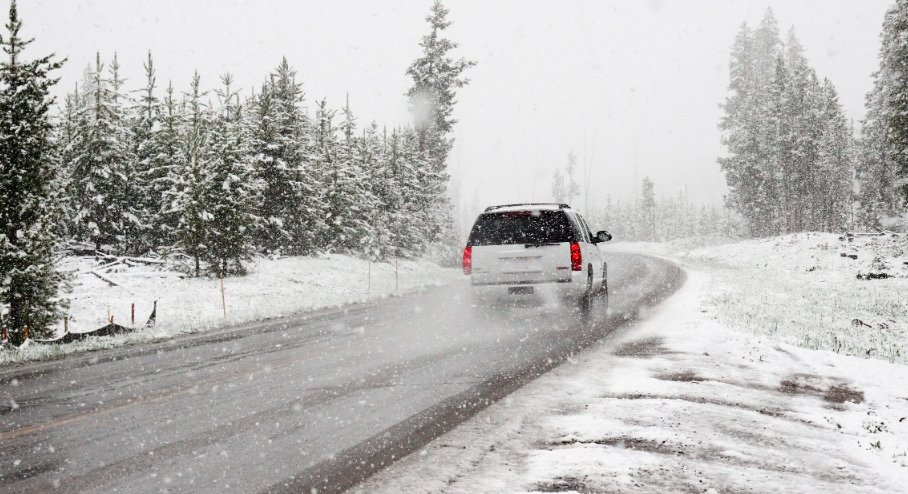
As winter storms blanket roads across the United States with snow and ice, crews spread salt to keep drivers safe, but this common practice speeds up corrosion on vehicles, leading to costly repairs. Experts in Colorado and beyond urge regular car washes to rinse away the damaging buildup, protecting cars from rust and extending their life during the harsh season.
The Hidden Threat of Road Salt
Road salt, often mixed with sand or chemicals like magnesium chloride, melts ice quickly but clings to cars and attacks metal parts. This issue hits hard in states like Colorado, Kentucky, and the Midwest, where heavy salt use during storms creates slick but safe roads at the expense of vehicle health.
Drivers often overlook the damage until it is too late, with rust forming on undercarriages, wheels, and brake systems. Recent reports show that salt can etch aluminum finishes and corrode steel, turning small spots into major problems over time.
In places with frequent snow, such as Grand Junction, Colorado, mechanics see a spike in repairs each spring due to winter salt exposure. The corrosion process starts when salt mixes with water and oxygen, breaking down protective coatings on cars.
How Salt Accelerates Car Corrosion
Salt acts as a catalyst for rust by drawing moisture and speeding up oxidation on metal surfaces. This is especially true for the underbody, where dirt and salt collect out of sight.
Experts explain that magnesium chloride, used in many areas, is more aggressive than traditional rock salt, eating away at finishes faster. A single winter storm can leave enough residue to start damage if not cleaned promptly.
Studies from automotive groups indicate that vehicles in salted regions rust up to five times faster than those in milder climates. This leads to weakened frames, leaky exhausts, and failing brakes, all of which pose safety risks.
Mechanics report that untreated salt exposure can shorten a car’s lifespan by years, with repair costs averaging thousands of dollars for severe cases.
Recent data from 2025 shows a rise in corrosion-related claims, tied to increased storm activity and salt usage in response to changing weather patterns.
Top Prevention Tips from Experts
To fight back, start with frequent washes, especially after storms, to remove salt before it sets in. Aim for at least once a week in peak winter months.
Apply protective wax or sealants before the season starts to create a barrier against salt and moisture. This simple step can cut corrosion risk significantly.
Consider underbody sprays or rust inhibitors, available at most auto shops, for extra defense in high-salt areas.
- Wash your car right after driving on salted roads to prevent buildup.
- Use touchless car washes to avoid scratching paint while removing grime.
- Inspect wheels and brakes regularly for early signs of etching or rust.
- Park in a garage when possible to limit exposure to falling salt from melting snow.
Experts also suggest professional detailing, like ceramic coatings, for long-term protection against winter elements.
Comparing Salt Damage Prevention Methods
Different strategies offer varying levels of protection, cost, and ease. Here is a quick overview to help choose the best approach.
| Method | Effectiveness | Cost Range | Ease of Use |
|---|---|---|---|
| Regular Washing | High | Low ($5-20 per wash) | Easy |
| Waxing and Sealants | Medium to High | Medium ($20-50) | Moderate |
| Underbody Coating | High | High ($100-300) | Professional Needed |
| Ceramic Coating | Very High | High ($500+) | Professional Only |
This table highlights that starting with basic washing provides strong results without breaking the bank, while advanced options suit those in extreme climates.
Real Stories and Expert Advice
Drivers in Winnipeg and other cold cities share tales of cars ruined by salt, with one owner reporting a complete undercarriage replacement after just a few winters. Mechanics like Ron Walton from Colorado emphasize that magnesium chloride poses unique risks to wheels, urging proactive care.
Automotive pros recommend combining washes with pre-season inspections to spot vulnerabilities early. In 2025, with more intense storms predicted, staying ahead of salt damage is key to avoiding surprises.
Communities are also exploring eco-friendly de-icers to reduce environmental harm, but for now, personal prevention remains essential.
The Cost of Ignoring Salt Damage
Failing to act can lead to expensive fixes, from repainting panels to replacing entire systems. Insurance data from this year shows a 15 percent uptick in rust-related claims in salted states.
On the flip side, consistent maintenance can save money and keep vehicles running smoothly. Simple habits, like rinsing the underbody with a hose, make a big difference.
With winter in full swing, now is the time to protect your investment and ensure safe driving through the season.
Share your winter car care tips in the comments below, and pass this article along to friends facing the same salty roads. Your experiences could help others avoid costly mistakes.