The U.S. Forest Service has announced temporary road closures in Mesa County, Colorado, to support safe timber harvesting operations in the Grand Mesa, Uncompahgre, and Gunnison National Forests. Starting December 10, 2025, these measures aim to prevent accidents involving logging trucks and ensure public safety during active work periods.
This decision comes amid ongoing efforts to manage forest health, reduce wildfire risks, and promote sustainable timber practices in the region. Officials emphasize that the closures are limited and include weekend access to minimize disruption for locals and visitors.
Closure Schedule and Affected Roads
The closures began on December 10, 2025, at 8 a.m. and will run through December 23, 2025, at 8 a.m. A second phase starts January 4, 2026, at 8 a.m. and ends April 1, 2026, at 8 a.m.
Roads remain open to the public on weekends when no logging trucks operate. This setup allows recreational users to access the area without interfering with heavy equipment.
Here is a list of the planned road closures:
- National Forest System Road 121 (Trickel Park Road): Closed from the northern forest boundary about 5 miles south to the intersection with NFSR 114.
- National Forest System Road 260: Closed from the intersection with NFSR 121 for roughly 5.2 miles east to the edge of the Englehart DxP Timber Sale.
- National Forest System Road 114: Closed from the intersection with NFSR 121 for about 4.8 miles east to the eastern end of the road.
These routes are key for timber transport, and maps are available on the Forest Service website for detailed views.
Reasons for the Closures
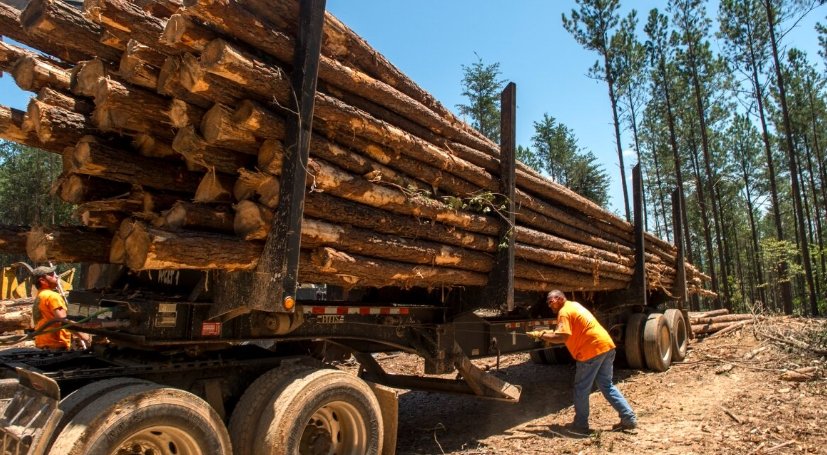
Forest officials cite safety as the top priority. Logging trucks hauling heavy loads can create hazards on narrow, winding roads, especially in winter conditions with potential snow and ice.
The timber harvesting targets dead or dying trees to improve forest regeneration and wildlife habitat. This work supports local economies by employing regional workers in vegetation management.
Similar operations in nearby forests, like the San Juan National Forest, have used seasonal closures to balance resource needs with public access. In Mesa County, the focus is on preventing crashes, as past incidents in similar areas have shown risks from mixed traffic.
Experts note that such harvesting reduces fuel loads, helping to mitigate wildfire threats that have plagued Colorado in recent years.
Impact on Local Communities and Recreation
Residents in Grand Junction and surrounding areas may face detours for daily travel, but the weekend openings help maintain access for hunters, hikers, and snowmobilers.
Local businesses tied to outdoor tourism could see minor dips during weekdays, yet many welcome the forest health benefits. One community leader shared that healthier forests mean better long-term recreation and economic stability.
The closures align with broader trends in national forests, where timber projects have increased by 15 percent in the last five years to address beetle infestations and drought effects.
Visitors are urged to plan trips around the schedule to avoid surprises.
| Phase | Start Date and Time | End Date and Time | Notes |
|---|---|---|---|
| First | December 10, 2025, 8 a.m. | December 23, 2025, 8 a.m. | Weekday closures only; open weekends |
| Second | January 4, 2026, 8 a.m. | April 1, 2026, 8 a.m. | Extends into spring for full operations |
| Overall | N/A | N/A | Aimed at safety and forest management |
This table outlines the key dates for quick reference.
Safety Tips and Alternatives for Visitors
To stay safe, follow all posted signs and avoid closed areas. Rangers recommend checking the Forest Service app or website for real-time updates, especially with changing weather.
Alternative routes include nearby state highways for those needing to bypass the zone. For recreation, trails like Trail 431 in the GMUG forests offer options, though some may have partial restrictions during transport.
In case of emergencies, contact local ranger districts. Education on forest rules can prevent fines and accidents.
Broader Context in Forest Management
Timber harvesting in Colorado’s national forests fits into national strategies for sustainable land use. Recent events, such as the 2025 spring closures in the GMUG for similar reasons, show a pattern of proactive management.
Environmental groups praise efforts to salvage timber while protecting ecosystems, but they call for ongoing monitoring to ensure minimal wildlife disruption. Data from the U.S. Department of Agriculture indicates that managed harvesting has restored over 100,000 acres in the Rocky Mountains since 2020.
This approach balances economic needs with conservation, addressing climate challenges like increased wildfires.
As these closures unfold, share your experiences or thoughts in the comments below. If this story impacts your plans, spread the word to help others stay informed.