With winter’s chill setting in across northeast Indiana, Fort Wayne City Utilities has stepped up to help residents avoid the headache of frozen pipes. On December 4, 2025, the agency released simple steps to protect homes as temperatures plunge into single digits, preventing costly damage and water disruptions that hit hundreds last year.
Why Frozen Pipes Pose a Real Threat
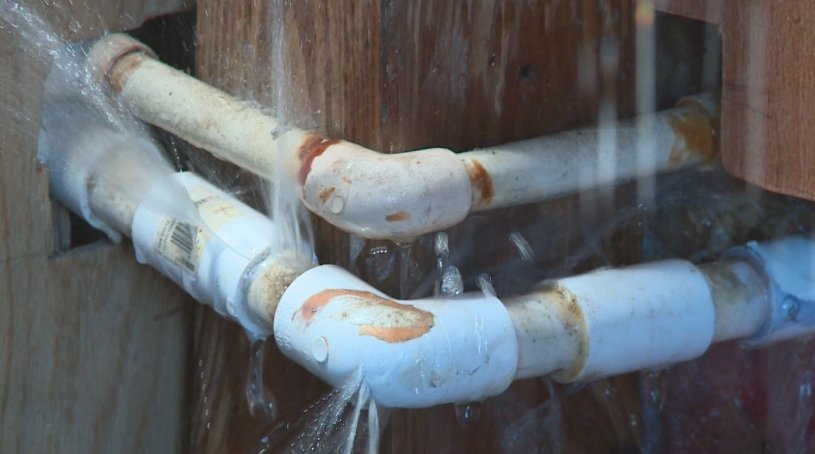
Frozen pipes can burst and cause major problems for homeowners. When water inside pipes turns to ice, it expands and puts pressure on the metal or plastic, leading to cracks or full breaks.
Repair costs often run from $500 to several thousand dollars, depending on the damage. In Fort Wayne, last winter saw nearly 300 cases of frozen meters and pipes, according to local reports. This spike happened during a cold snap that dropped temps below zero, leaving many without water for days.
Experts say uninsulated pipes in basements, attics, or exterior walls are most at risk. With forecasts calling for bitter cold through mid-December 2025, acting now can save money and stress.
The issue is not just local. Across the U.S., frozen pipes lead to over $500 million in insurance claims each year, based on recent industry data. In colder states like Indiana, these events spike during Arctic blasts, much like the one expected soon.
Key Tips from Fort Wayne City Utilities
City Utilities keeps it straightforward with proven advice. Their latest guidance focuses on easy actions anyone can take before the freeze hits.
First, keep garage doors closed if your water meter or pipes are inside. This traps heat and shields them from icy drafts.
Next, let a small trickle of lukewarm water run from faucets during extreme cold. This keeps water moving and stops it from freezing solid.
They also suggest opening cabinet doors under sinks. This lets warm air from the room reach pipes on outer walls.
Finally, make sure everyone in the house knows where the main water shut-off valve is. If a pipe bursts, quick action can limit flooding.
These steps build on lessons from past winters, where simple habits cut down on emergency calls.
More Ways to Protect Your Home
Beyond the basics, experts recommend extra layers of defense. Start by insulating exposed pipes with foam sleeves or heat tape, available at most hardware stores.
Disconnect garden hoses and cover outdoor spigots with insulators. This stops water from freezing in those vulnerable spots.
For homes with crawl spaces, seal vents to block cold air. Adding insulation there can make a big difference.
Here are some additional prevention tips in a handy list:
- Check for drafts around doors and windows, and seal them with weatherstripping.
- Set your thermostat no lower than 55 degrees Fahrenheit, even when away.
- Use space heaters safely in areas with pipes, but never leave them unattended.
- Test smoke and carbon monoxide detectors, as heating issues can arise in cold weather.
Recent events in nearby areas, like the 2024 polar vortex that froze pipes in Chicago, show how these measures work. Homeowners who prepared faced fewer issues.
Steps to Take If Pipes Do Freeze
Sometimes, despite best efforts, pipes freeze anyway. Knowing what to do next can prevent bigger damage.
First, shut off the main water valve right away to stop any flow if a burst happens. Then, open all faucets to relieve pressure as the ice thaws.
Apply gentle heat using a hair dryer or warm towels. Avoid open flames, as they can cause fires or more cracks.
If you spot a leak, call a plumber fast. Delaying can lead to mold or structural issues.
For a clear guide, check this table of do’s and don’ts:
| Action | Do This | Don’t Do This |
|---|---|---|
| Thawing | Use low heat sources like electric blankets | Use torches or high heat tools |
| Water Flow | Drip faucets before freezing | Ignore slow water pressure signs |
| Repairs | Call professionals for bursts | Try DIY fixes on major damage |
| Prevention | Insulate early | Leave hoses connected outside |
This approach has helped many in Fort Wayne during recent cold spells, like the January 2025 freeze that affected dozens.
In severe cases, contact City Utilities for help. They handled over 200 service calls last winter and offer resources for affected residents.
Broader Cold Weather Safety Advice
Cold snaps bring more than pipe problems. They can strain heating systems and raise energy bills.
Utility providers suggest lowering thermostats slightly during the day and using programmable ones for efficiency. This can cut heating costs by up to 10 percent, per energy experts.
Stay informed with local weather alerts. Apps from stations like 21Alive provide real-time updates on temps and wind chills.
Community efforts matter too. Check on elderly neighbors, as they face higher risks from cold-related issues.
With climate patterns shifting, experts predict more intense winters. A 2025 report from the National Weather Service notes rising extreme weather events in the Midwest.
How Residents Can Prepare for Winter Ahead
Preparation goes beyond pipes. Stock up on essentials like blankets, flashlights, and non-perishable food for power outages.
Join local workshops on home winterization. Fort Wayne often hosts free sessions through community centers.
Remember, small steps add up. By following these tips, you can enjoy a warmer, safer season.
What do you think? Share your own winter prep stories in the comments below, and pass this article along to friends in Fort Wayne to help them stay protected.