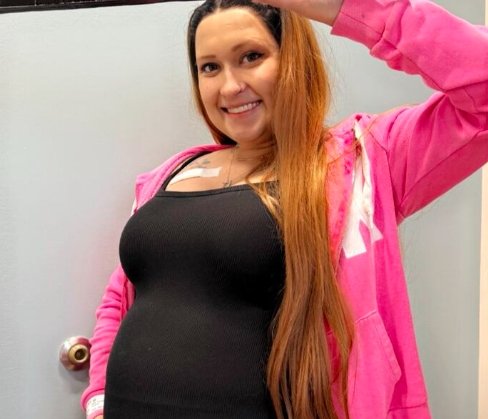
In a heartwarming story of strength and hope, Katy Hernandez, a 26-year-old from Fort Wayne, Indiana, has given birth to her son Zander while fighting stage 4 breast cancer. Diagnosed in March 2025 during her pregnancy, Hernandez faced tough choices but pushed through treatment and delivery, inspiring many with her journey.
Diagnosis Shocks a Young Family
Katy Hernandez was five months pregnant when doctors found stage 4 breast cancer, a diagnosis that changed everything for the engaged mom-to-be. At just 26, she had to balance her health with the safety of her unborn child.
Medical teams worked closely with her to start safe treatments during pregnancy. This included chemotherapy options that would not harm the baby. Hernandez shared that the news hit hard, but her focus stayed on bringing her son into the world.
Support from family and friends became crucial right away. Her fiancé stood by her side through every appointment and tough day.
Community Rallies with Fundraisers
People in Fort Wayne quickly stepped up to help Hernandez and her growing family. A special event in May 2025 combined a baby shower with a fundraiser, drawing crowds eager to show support.
The gathering raised funds for medical bills and baby needs. Attendees shared stories and donations, turning a difficult time into one filled with community love.
- Local businesses donated items like diapers and clothes.
- Online campaigns spread the word, bringing in help from beyond Indiana.
- Volunteers organized meals and home help for the family.
This outpouring showed how one person’s fight can unite a town. Hernandez said the kindness gave her extra strength to keep going.
Joyful Birth Amid Challenges
On August 22, 2025, Hernandez welcomed baby Zander after a quick labor that caught everyone by surprise. She was at the Allen County fairgrounds when contractions started, leading to a natural delivery just hours later.
Doctors noted that Zander arrived healthy, weighing in at a good size for a full-term baby. Hernandez described the moment as pure joy, despite the pain of labor without full pain relief.
The birth came after months of careful monitoring. Her cancer treatments continued, but adjustments ensured the baby’s safety. Now, both mom and son are bonding at home, with regular checkups for everyone.
Health Updates Bring Hope
Recent scans show positive news for Hernandez, with doctors reporting that her cancer has shrunk. This update came during a checkup after Zander’s birth, offering a boost to her spirits.
She remains on medications to manage the disease, watching for side effects that could affect her mood or energy. Hernandez admitted worries about postpartum life with cancer, but things have gone better than expected.
Ongoing care includes scans every few months. Experts say stage 4 breast cancer survival rates have improved with new therapies, now around 30 percent for five years in similar cases. Hernandez stays optimistic, crediting her son for renewed purpose.
| Key Milestones in Katy Hernandez’s Journey | Date | Details |
|---|---|---|
| Diagnosis | March 2025 | Stage 4 breast cancer found at five months pregnant. |
| Community Fundraiser | May 2025 | Baby shower event raises support and funds. |
| Baby Zander’s Birth | August 2025 | Healthy delivery after quick labor. |
| Latest Health Update | August 2025 | Cancer shows signs of shrinking. |
A New Outlook on Life
Becoming a mother has shifted Hernandez’s view on her battle. She says Zander gives her a fresh reason to fight, turning fear into determination.
Daily life now mixes cancer treatments with newborn care. Simple joys like holding her son help her through rough days. Hernandez plans to keep sharing her story to help others facing similar fights.
Experts note that stories like hers highlight advances in treating cancer during pregnancy. More women are successfully having babies while managing serious illnesses, thanks to better medical options.
Inspiring Others to Act
Hernandez’s tale reminds us of the power of resilience and community. As breast cancer affects about 300,000 women yearly in the U.S., early detection remains key.
Share this story if it touched you, and comment below with your thoughts or similar experiences. Your words could encourage someone in their own journey.