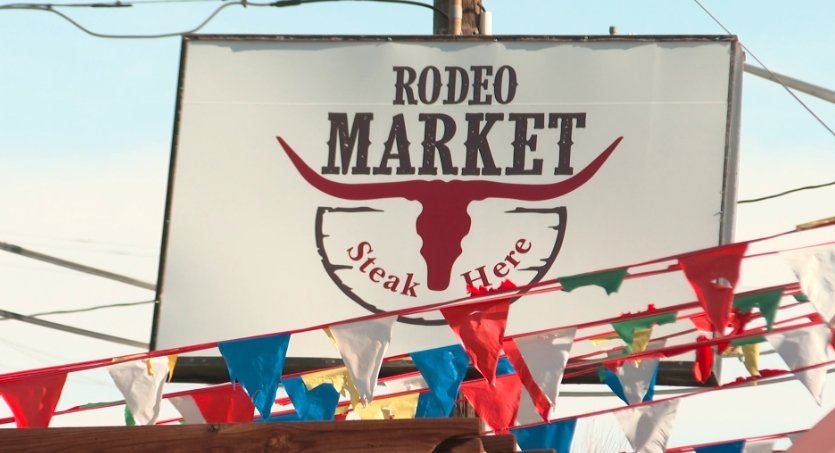
Grand Junction’s Rodeo Market has shut down temporarily after failing a key food safety check by state health officials. The closure stems from serious issues like cross contamination and pest problems found during a surprise visit on December 11, 2025, forcing the store to fix things before reopening.
What Led to the Closure
Health inspectors from the Colorado Department of Public Health and Environment visited Rodeo Market on North Avenue this week. They found enough problems to suspend the store’s license right away.
The main trigger was a list of violations that put customer safety at risk. Officials acted fast to protect the public from potential foodborne illnesses. This kind of quick response happens when risks are high, as seen in similar cases across Colorado this year.
Local shoppers expressed shock but not total surprise. Many had noticed small issues before, but nothing prepared them for a full shutdown.
Key Violations Uncovered
Inspectors detailed several critical failures in their report. These ranged from basic hygiene lapses to equipment breakdowns that could spread bacteria.
Here are the major issues they spotted:
- Cross contamination from an employee handling raw eggs and then touching clean items without changing gloves.
- Dirty equipment like a meat saw and grinder covered in old meat and grease, plus rotting chunks behind machines.
- Deli cooler running too warm at 52 to 53 degrees Fahrenheit, far above the safe 41-degree limit.
- Pests including dead cockroaches and flies in storage areas, with live flies buzzing around surfaces.
- Poor handwashing habits, such as using only water for less than ten seconds, and sinks misused for other tasks.
These problems highlight common pitfalls in food retail that can lead to outbreaks. In fact, Colorado saw over 500 similar inspection failures statewide in 2025, up from 450 the year before, according to state health data.
The store manager was not on site during the check, which added to the concerns about oversight.
Experts say such violations often build up over time if routine cleaning gets ignored. Fixing them usually takes a few days to weeks, depending on the fixes needed.
Impact on the Community
The closure hits hard for Grand Junction residents who rely on Rodeo Market for daily groceries. Located in a busy area, it serves families, workers, and visitors alike.
Shoppers now turn to nearby options like City Market or Walmart, but some worry about higher prices or longer trips. One local told reporters the store was a go-to spot for fresh meats and produce.
Business owners in the area fear a ripple effect. If word spreads, it could hurt trust in other local markets. Health officials stress that most places pass inspections fine, with only about 10 percent facing closures each year in Mesa County.
This event ties into broader trends. Colorado has ramped up unannounced inspections since a 2024 law change, leading to more enforcements. For instance, a Denver deli faced a similar shutdown last month over temperature issues, reopening after two weeks.
Steps Toward Reopening
Rodeo Market must address all violations before getting the green light to reopen. This includes deep cleaning, staff training, and a follow-up inspection.
Officials outlined a clear path forward. The store needs to submit proof of corrections, like photos of fixed equipment and pest control records.
| Step | Description | Expected Timeline |
|---|---|---|
| Clean and Repair | Scrub all equipment, fix coolers, and remove pests | 3-5 days |
| Staff Training | Teach proper handwashing and glove use | 1-2 days |
| Submit Plan | Send correction details to health department | Within 1 week |
| Reinspection | Officials check compliance on site | After plan approval |
| Reopen | Resume business if all clear | 1-2 weeks total |
Past cases show most stores bounce back quickly if they act fast. Rodeo Market has not yet commented publicly, but sources say they aim to reopen by late December.
Community leaders urge patience and support for the business once it fixes the issues. Health experts remind everyone that these closures prevent bigger problems like food poisoning outbreaks, which affected over 1,000 Coloradans in 2025 alone.
Broader Lessons for Food Safety
This incident shines a light on why regular checks matter. Food safety rules exist to stop illnesses that can spread fast in communities.
In Grand Junction, health officials plan more education sessions for local businesses in 2026. This follows a rise in violations linked to staffing shortages post-pandemic.
Nationwide, the FDA reports that improper temperature control causes about 40 percent of food safety issues. Simple steps like consistent cleaning can make a big difference.
Consumers can help by reporting concerns and choosing stores with good track records. Apps and websites now let people check inspection scores easily.
What do you think about this closure? Share your thoughts in the comments below or pass this article along to friends who shop there. Your input could spark important discussions on local food safety.