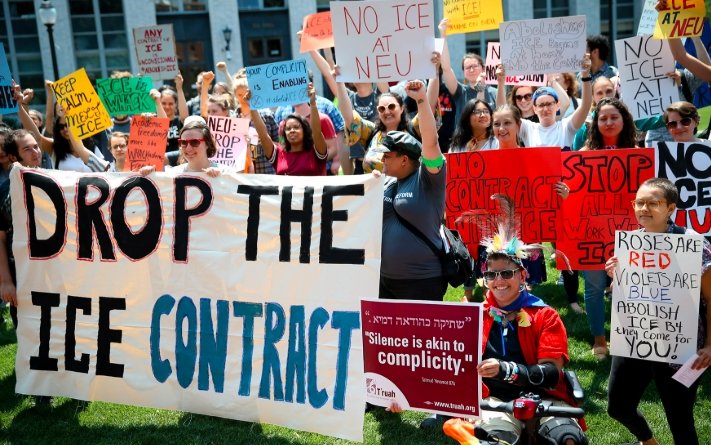
Hundreds of people gathered in downtown Grand Junction, Colorado, on January 10, 2026, for a silent protest against U.S. Immigration and Customs Enforcement. The event called for the agency’s abolition and remembered victims of immigration enforcement actions, tying into nationwide demonstrations sparked by recent deadly incidents.
Nationwide Wave of Protests Sparks Local Action
This silent gathering formed part of a larger movement across the United States. Protests erupted in over 1,000 locations during the January 10-11 weekend, organized by groups like the American Civil Liberties Union and Indivisible. The push gained momentum after the fatal shooting of Renee Nicole Good, a mother of three, by an ICE agent in Minneapolis.
Demonstrators in Grand Junction stood in front of the Old Mesa County Courthouse. They held signs with names of 34 people who organizers say died due to immigration enforcement. The silence aimed to honor those lost and highlight the issue’s seriousness.
Local leaders stressed the need for change. One organizer noted that communities nationwide demand accountability from agents and the administration. The protest remained peaceful, with no reported incidents.
Reasons Behind the Call to Abolish ICE
Protesters pointed to growing concerns over ICE tactics under recent policies. Critics argue the agency oversteps bounds, leading to violence and rights violations. In Grand Junction, speakers linked local action to national events, including shootings in Minneapolis and Portland.
The movement seeks to end what participants call sanctioned harm. They demand unmasking agents and facing consequences for actions. This comes amid reports of increased deportations and enforcement in 2026.
Here are key issues raised by demonstrators:
- Excessive use of force in routine operations.
- Lack of transparency in agent identities and actions.
- Impact on families and communities, including U.S. citizens.
Experts note that ICE’s role has expanded since its creation in 2003. Recent data shows over 20,000 deportations in the first quarter of 2026 alone, fueling public outcry.
Logical reasoning ties these protests to broader immigration debates. With rising tensions, calls for reform aim to restore trust in law enforcement. Supporters argue abolition would shift focus to humane policies.
Participant Voices and Community Impact
Young attendees like a teen named Olympia shared personal motivations. She attended to shape a better future and stand on the right side of history. Her words echoed sentiments from others who see this as a fight for justice.
Organizers estimated 375 to 400 people joined. They sat on courthouse steps, holding names of victims. Brief remarks broke the silence, urging a return to constitutional principles.
The event drew a mix of ages and backgrounds. One leader said enough is enough, pointing to crossed lines in enforcement. This reflects a community united against perceived overreach.
In related events, similar protests occurred in cities like Philadelphia and Vancouver. These actions show widespread frustration with current immigration practices.
Broader Implications for Immigration Policy
The Grand Junction protest highlights potential shifts in U.S. immigration policy. If demands grow, they could pressure lawmakers to reconsider ICE’s structure. Recent polls indicate 45 percent of Americans support major reforms, up from 30 percent in 2025.
Analysts predict more demonstrations if changes do not happen. This ties into ongoing debates over border security and human rights.
| Key Protest Details | Information |
|---|---|
| Location | Downtown Grand Junction, Colorado |
| Date | January 10, 2026 |
| Turnout | 375-400 people |
| Main Organizers | Indivisible Grand Junction |
| Focus | Abolish ICE, remember victims |
| Related National Events | Over 1,000 protests nationwide |
These figures underscore the organized response to recent tragedies. The movement builds on past efforts, like 2018 calls to abolish ICE, now revived by 2026 events.
Experts suggest monitoring how this affects upcoming elections. With midterm races in sight, immigration remains a hot topic.
Looking Ahead: What This Means for Colorado
In Colorado, the protest signals rising activism in western regions. Grand Junction, known for its conservative leanings, saw a diverse crowd unite on this issue. This could inspire more local involvement in state politics.
State officials have noted the demonstrations. Some lawmakers push for oversight bills to limit federal enforcement in communities.
The event ended with participants dispersing after silence and remarks. It left a message of resolve for change.
Share your thoughts on this protest in the comments below. Did you attend a similar event? Spread the word by sharing this article with friends to keep the conversation going.