
Habitat for Humanity of Mesa County announced its expansion to Delta County this week, marking a significant step to address growing affordable housing shortages in western Colorado. After serving Mesa County for 35 years and building nearly 100 homes, the nonprofit received approval to extend its reach following numerous requests from Delta residents.
Longstanding Impact in Mesa County
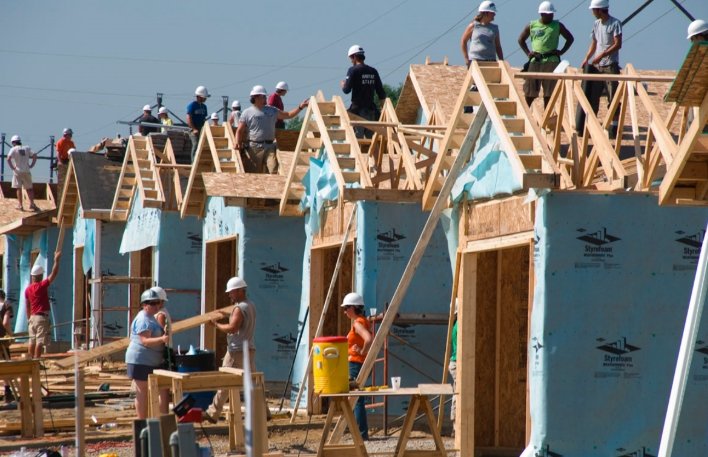
The organization has become a cornerstone of community development in Mesa County since its founding in 1990. Over the decades, it has partnered with hundreds of families to construct durable, affordable homes that promote stability and self reliance. Volunteers from all walks of life have contributed thousands of hours, turning dreams into reality for low income households.
This success story includes innovative programs like home repairs for aging residents and energy efficient builds that lower long term costs. In recent years, the group has ramped up efforts amid rising housing prices across Colorado, completing multiple projects even during economic challenges. Officials note that these homes not only provide shelter but also foster neighborhood pride and economic growth.
Driving Forces Behind the Expansion
Delta County lacks a local Habitat for Humanity affiliate, leaving a gap in services for families facing housing insecurity. Many residents commute to jobs in Mesa County, highlighting the interconnected needs of the two areas. The expansion aims to bridge this divide by offering solutions that support both communities.
Approval came after nearly a year of preparation and application to Habitat for Humanity International. Leaders identified a surge in inquiries from Delta families eager for homeownership opportunities. This move aligns with broader trends in Colorado, where affordable housing demands have intensified due to population growth and inflation.
Broader factors include recent state initiatives to tackle housing shortages. For instance, Colorado’s 2025 legislative session passed measures to streamline affordable developments, which could aid such expansions. The decision also reflects national Habitat efforts, including tributes to founder Jimmy Carter’s legacy of service, emphasizing community driven change.
Assessing and Meeting Needs in Delta County
The team is now actively engaging with Delta County stakeholders to evaluate specific requirements. Plans include outreach to school districts and county employees to pinpoint families in need through personal conversations. This grassroots approach ensures tailored solutions rather than one size fits all strategies.
Early explorations focus on potential sites for new construction and partnerships with local organizations. Officials expect to roll out initial operations within the next few months, starting with informational sessions for interested applicants. The goal is to build homes that fit Delta’s rural charm while incorporating modern features like solar panels for sustainability.
To illustrate the urgency, consider these key statistics on housing in the region:
| Metric | Mesa County | Delta County |
|---|---|---|
| Median Home Price (2025) | $450,000 | $380,000 |
| Affordable Units Built (Last 5 Years) | 50 | 15 |
| Households Below Poverty Line | 12% | 14% |
This table underscores the pressing need, with Delta lagging in recent developments despite lower prices.
Broader Implications for Affordable Housing
The expansion promises to alleviate some pressures in Delta County, where low income families often face long waitlists for public housing. By introducing Habitat’s model of sweat equity, where families contribute labor toward their homes, it empowers participants and reduces costs. This could inspire similar moves in nearby areas, contributing to a more equitable western slope.
Related events, such as the recent Hope Through Homes fundraiser in Mesa County, have boosted funding for these initiatives. The event raised significant donations, doubling the organization’s homebuilding capacity this year. Nationally, Habitat’s focus on workforce housing, like partnerships with school districts in southern Colorado, shows a pattern of addressing key worker shortages through stable living options.
Experts predict this could lower vacancy rates and support local economies by retaining residents. However, challenges remain, including land availability and funding amid fluctuating material costs. The nonprofit remains committed to transparency and community input to navigate these hurdles effectively.
Looking Ahead to New Beginnings
As plans solidify, Habitat for Humanity invites Delta County residents to get involved, whether through volunteering or applying for programs. This expansion not only extends the organization’s footprint but also reinforces its mission of building hope one home at a time. With careful planning, it could transform lives across both counties for years to come.
Readers, what are your thoughts on this expansion? Share your experiences with affordable housing in the comments below and spread the word by sharing this article with friends and family who might benefit.