A homeless man in Grand Junction, Colorado, faces a critical hurdle in his battle against end-stage liver failure. Robert Dimond needs stable housing to recover from a life-saving liver transplant scheduled for December, and he has launched a GoFundMe campaign to raise funds for medical respite.
Dimond’s Health Crisis and Transplant Hope
Robert Dimond, a resident of Grand Junction, received devastating news from his doctors earlier this year. They told him he had only months to live without a liver transplant due to his advanced liver disease.
His situation took a positive turn when medical experts matched him with a living donor. The surgery is set at Intermountain Transplant Clinic in Murray, Utah, offering a real chance at survival.
However, Dimond’s homelessness complicates everything. Living on the streets has weakened his immune system, leading to severe issues like pneumonia and even a coma.
He now sleeps in his car to avoid infections from shelters, especially as winter temperatures drop into the 20s Fahrenheit. This harsh reality makes pre-surgery preparation and post-operation recovery nearly impossible without proper housing.
The Urgent Need for Recovery Housing
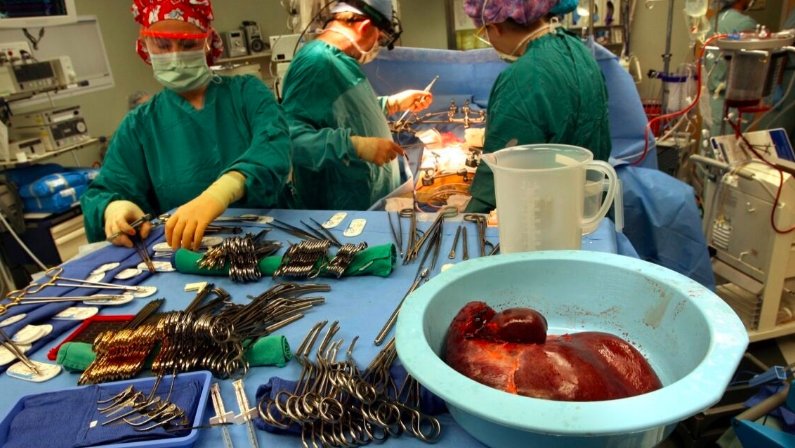
Recovery from a liver transplant typically lasts about three months. Patients need a clean, safe environment to heal and avoid complications like infections or rejection of the new organ.
For Dimond, lacking stable housing means he cannot proceed with the transplant. Medical guidelines require proof of a suitable recovery space to ensure the best outcomes.
Local health experts note that unhoused patients often face higher risks during major surgeries. In Colorado, programs exist to support medical respite, but funding shortages leave many like Dimond in limbo.
Dimond shared his resolve to push forward. He aims to enter the surgery strong, not weakened by street life.
Community Response and Fundraising Efforts
Dimond turned to the public for help by setting up a GoFundMe page. The campaign seeks donations to cover housing costs during his recovery period.
As of late November 2025, the effort has gained traction. Community members in Grand Junction and beyond have contributed, raising nearly $1,000 in just one day after local news coverage.
Supporters can donate through the GoFundMe or contact Dimond directly via email. This outpouring reflects the Western Slope’s spirit of helping those in need.
Here are key ways the community is stepping up:
- Local news stations highlighted Dimond’s story, sparking immediate donations.
- Social media shares on platforms like X have spread awareness quickly.
- Neighbors are exploring temporary housing options, such as short-term rentals or respite programs.
Broader Impact of Homelessness on Health Care
Homelessness affects thousands in Colorado, with Grand Junction seeing a rise in unhoused individuals amid economic pressures. Recent 2025 data from the U.S. Department of Housing and Urban Development shows over 10,000 people experiencing homelessness statewide.
This crisis intersects with health care access. Studies from the National Institutes of Health indicate that unhoused patients have transplant success rates up to 20 percent lower due to recovery challenges.
In similar cases nationwide, fundraisers have made a difference. For instance, a 2024 campaign in Denver helped a patient secure housing and complete a kidney transplant successfully.
| Challenge | Impact on Transplant Patients | Potential Solutions |
|---|---|---|
| Lack of Housing | Increased infection risk and recovery complications | Medical respite programs and community fundraisers |
| Weakened Immune System | Higher chance of post-surgery issues like pneumonia | Access to clean, stable environments |
| Financial Barriers | Inability to afford temporary lodging | Crowdfunding platforms like GoFundMe |
| Community Support | Varies by location | Local awareness campaigns and donations |
Lessons from Recent Transplant Stories
Dimond’s case echoes other recent events. In November 2025, a young donor’s liver saved a former NFL star, highlighting the life-changing power of transplants.
Yet, access remains uneven. The United Network for Organ Sharing reports over 100,000 people on U.S. transplant waiting lists as of 2025, with liver needs topping the list.
Advocates push for better support systems. In Utah, where Dimond’s surgery will occur, new 2025 initiatives aim to fund housing for transplant patients.
Dimond stays positive despite the odds. His story underscores the need for compassion in addressing health and homelessness intersections.
What do you think about Dimond’s situation? Share this article with friends and leave your comments below to join the conversation and help spread awareness.