
A proposed cap on a key Medicaid service has Hoosiers with disabilities on edge — and for Kendra Hummer, it’s more than just policy. It’s her whole world.
Hummer, who lives in northeast Indiana, says losing her access to recreational therapy through her Medicaid waiver would unravel the life she’s fought so hard to build.
From Isolation to Independence
Kendra Hummer was born with quadriplegic cerebral palsy. For 25 years, her wheelchair has been both her freedom and her biggest challenge.
One short line: Her body doesn’t always listen to her brain.
For much of her life, that meant missing out — on friendships, activities, feeling like she belonged. Then she discovered recreational therapy.
“It helps me get out and do what makes me feel alive,” Hummer says. “People assume because I’m disabled I can’t have a full life. But they don’t see what this therapy does for me.”
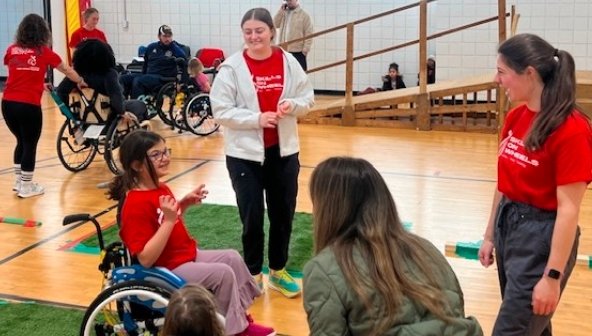
What the Therapy Really Means
Hummer’s rec therapist is more than a coach. She’s a bridge to the community.
Sometimes they exercise together. Sometimes they go shopping. Some days, it’s a road trip to Indianapolis for a concert. All those things that seem simple? For Kendra, they’re huge.
Her words say it all: “It’s been the most challenging thing in my life — but this made it better.”
One sentence: She’s terrified the new cap would take that away.
How Did This Happen?
The potential cap came up at a Bureau of Disabilities Services meeting a few weeks ago. It’s not final yet — but the very idea has advocates sounding alarms.
Under Indiana’s Medicaid waivers, people with disabilities can get services that help them live more independently. That includes therapies that aren’t strictly medical but improve quality of life.
A cap could limit how many hours or dollars a person gets for these services. For folks like Kendra, who already fight for every ounce of independence, that feels like a step backward.
What Advocates Are Saying
Disability rights advocates say this kind of cap would hurt the people who need support the most. They argue it would force people into more isolation — or worse, into expensive institutional care.
Here’s what’s at stake for families like Kendra’s:
-
Losing social interaction that fights depression and loneliness
-
Missing out on physical activities that keep the body stronger
-
Greater strain on family caregivers who already do so much
One line: What looks like a budget cut on paper could cost more in the long run.
The Human Impact, In One Table
It’s easy to get lost in policy speak. So here’s the real impact.
| With Rec Therapy | Without Rec Therapy |
|---|---|
| Community outings | Isolation at home |
| Physical activity & exercise | Greater health complications |
| Social support | Mental health struggles |
| Caregiver relief | More burden on family |
Sometimes it’s this simple.
“This Will Dramatically Change My Life”
Kendra doesn’t mince words about how a cap would feel.
“This will dramatically change my life,” she says. “I don’t know how I’ll do it without this help.”
She hopes the people making the decision understand what’s really at stake. She wants them to know this isn’t about a line item — it’s about her freedom.
Her fear is that policymakers see numbers on a page, but not the faces behind them.
What Comes Next?
For now, it’s just a proposal. The Bureau of Disabilities Services hasn’t finalized anything yet. Advocates say they’re watching closely and urging families to speak up.
Hummer says she will keep fighting too.
One short line: She won’t give up the life she’s built without a fight.