As Texas reels from catastrophic flooding, a dedicated group in Indiana is working around the clock to make sure no one is left behind — and they’re counting on their dogs to lead the way.
Every Thursday, rain or shine, the fields of Wawaka, Indiana, echo with sharp barks and the clatter of paws. It’s here that Jan Harkner-Abbs, who’s spent over three decades honing search and rescue techniques, puts her canines through their paces. And with at least 160 people still missing in Texas, their training could be the lifeline families desperately need.
Trained for Tragedy
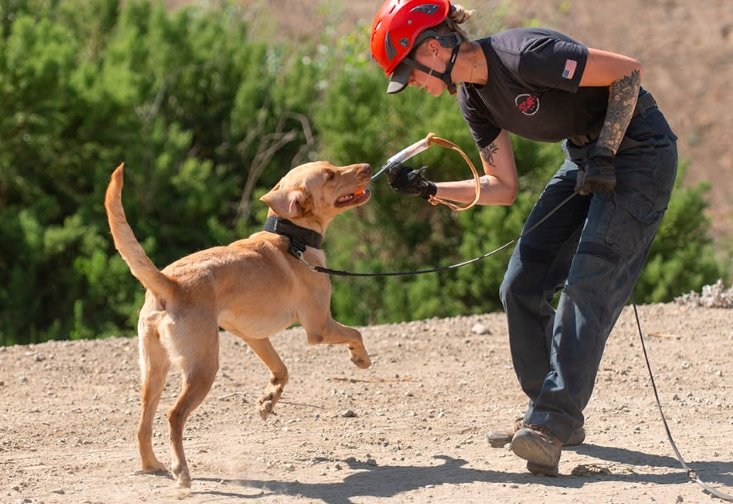
On her farm northwest of Fort Wayne, Harkner-Abbs and her team run drills that simulate the chaos and danger of real disaster zones. Some dogs nose through brush piles. Others leap onto unstable mounds of debris without blinking.
One handler said it best in just five words: “They live for the find.”
The science backs them up. Studies show that trained search dogs can pick up human scent up to a mile away — something humans can’t dream of doing.
Building a Team That Works
Not every dog can do this. Harkner-Abbs says it bluntly: “It’s not just barking. It’s drive.”
Finding the right balance takes years. It’s like choosing a special ops unit — but furrier.
-
Temperament: a dog must stay focused even when chaos reigns.
-
Physical fitness: rough terrain, heavy rains, shifting rubble.
-
Handler bond: trust is everything.
One misstep, and lives could hang in the balance. That’s why Harkner-Abbs’ team stays in touch with agencies across the country, ready to deploy at a moment’s notice.
How Dogs Sniff Out Hope
Imagine standing waist-deep in floodwater, debris everywhere. It’s hot. It’s dangerous. You can’t see anything. But your dog’s nose? It can.
Here’s the trick — “Bark Box.” Sounds funny, but it works. Dogs learn to sniff for human scent and bark when they catch it. It’s a simple signal, yet it cuts through confusion.
One small bark can save hours.
And time? It’s everything right now.
Why Texas Needs Them So Badly
Let’s not sugarcoat it — the Texas floods have been devastating. Whole neighborhoods swallowed by raging water. Rescue boats pushing through once-calm streets. For families waiting for news, each hour drags like a week.
Indiana’s dogs aren’t the only ones being called. National networks are coordinating — they know which handlers have dogs ready, who’s trained for urban versus water recovery, and how to get boots and paws on the ground fast.
It’s a complicated dance, but when it clicks, miracles happen.
What the Numbers Show
Numbers tell part of the story. In past disasters, canines have been credited with locating up to 90% of victims in rubble. That’s staggering.
Check out this rough table of impact from similar past missions:
| Disaster | Year | People Missing | Dogs Deployed | Recovery Success Rate |
|---|---|---|---|---|
| Hurricane Katrina | 2005 | 1,833 deaths | 300+ | 80% located by dogs |
| Joplin Tornado | 2011 | 158 deaths | 120+ | 85% located by dogs |
| Texas Floods (Current) | 2025 | 160 missing | TBD | TBD |
These aren’t just numbers. They’re mothers, fathers, kids — and dogs make the difference between closure and uncertainty.
A Labor of Love and Bark
On any given Thursday, you’ll see handlers coaxing their dogs through obstacle courses. One moment it’s a game of hide and seek. The next, it’s dead serious.
Some folks wonder: why do dogs do it?
Harkner-Abbs laughs. “They love it. It’s play. But for us, it’s everything.”
Actually, that bond is key. A handler and dog have to move like one mind. In storms, under collapsing walls, or in water up to their chests, that bond saves lives.
Why This Matters to Indiana Too
Folks in Wawaka could just stay cozy on their farms. But they don’t.
Harkner-Abbs remembers how it started — a firefighter up in South Bend needed a search dog. One request turned into a 32-year commitment. Now, they’re a trusted hub for the Midwest.
They’re not superheroes. Just regular folks — and their four-legged partners — who refuse to stand by while others suffer.
One volunteer summed it up with a shrug: “If it were my kid missing, I’d hope someone would send their dog.”