A Guyanese travel company is stepping straight into controversy with its latest offering: guided tours through the chilling grounds of Jonestown — the isolated jungle settlement where 909 people died in a 1978 mass murder-suicide that shocked the world.
The “Jonestown Memorial Tour,” operated by Wanderlust Adventures GY, costs $750 and promises what they call a “reflective journey” into a tragedy that many Guyanese would prefer to leave buried in the jungle.
A Cult’s Final Act Echoes Decades Later
On November 18, 1978, cult leader Jim Jones ordered his followers to die. Some drank cyanide-laced Flavor Aid willingly. Others were injected or shot when they resisted. In the end, 909 bodies lay strewn across the compound — men, women, even babies.
One-liner: It remains the largest intentional loss of American civilian life before 9/11.
The area was left abandoned for years, the ruins slowly claimed by the rainforest. But the legacy of Jonestown didn’t vanish. Now, nearly 50 years later, it’s being repackaged as a place of “memory tourism.”
An Overnight Tour Into the Past
The Jonestown Memorial Tour isn’t your average jungle trek.
One-liner: Visitors are flown from Georgetown to Port Kaitum, fed, and given access to what’s left.
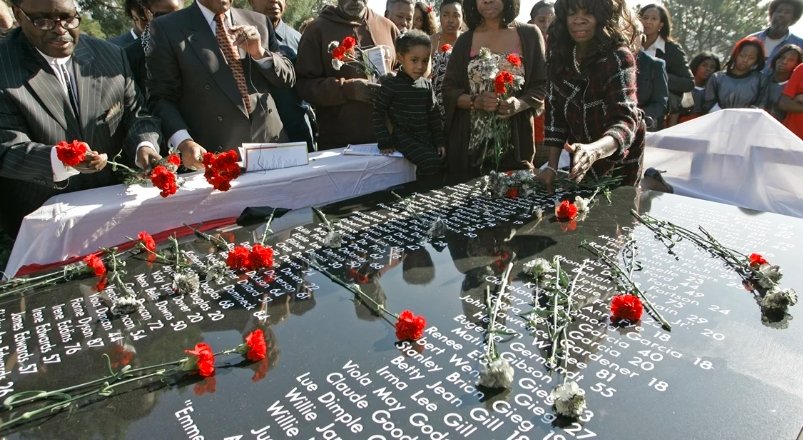
There’s a replica of the original “Welcome to Jonestown” sign. A memorial plaque added in 2009. Rusted vehicles and bits of machinery that nature hasn’t quite swallowed.
But the centerpiece is a chance to hear from an eyewitness — someone who lived nearby and remembers when news broke that more than 900 people had died in the jungle.
• Replica welcome sign greets visitors.
• Memorial plaque marks the tragedy.
• Guests hear firsthand from locals.
A Debate That Won’t Die Quietly
Not everyone is on board. Neville Bissember, a senior law lecturer at the University of Guyana, didn’t mince words: “People would prefer not to remember.” He told NBC News that what happened there is still too raw, too ugly — forced imprisonment, food and sleep deprivation, the horrific images of mothers and children lying together in death.
Yet, for others, remembering feels necessary.
One short line: They say it’s a lesson we can’t afford to forget.
Jonestown now joins places like Auschwitz, Ground Zero, and Chernobyl — sites of human-made horror that draw visitors who want to stand where history went terribly wrong.
Why Do People Visit Such Places?
This kind of “dark tourism” isn’t new, but it still divides opinion.
Is it morbid curiosity? Or a genuine attempt to understand the depths of human manipulation and tragedy?
Roselyn Sewcharran, owner of Wanderlust Adventures GY, argues it’s about learning. “It’s about the people who suffered, and what happens when blind faith is abused,” she told local reporters.
One-liner: It’s a chance, she says, to reflect — not gawk.
| Dark Tourism Sites | Visitors Per Year |
|---|---|
| Auschwitz | 2 million+ |
| Ground Zero, NYC | 4 million+ |
| Chernobyl Exclusion | 50,000+ |
| Jonestown (projected) | ~200+ first year |
A Small Village, a Global Memory
For Guyana, Jonestown is more than a line in a history book. It’s a scar that shaped how the world saw this tiny South American country.
One sentence: Now, it’s back in the spotlight — this time as a travel destination.
Some villagers near the old site welcome the potential for jobs and local spending. But others say the influx of “tragedy tourists” feels like salt in a wound that’s never healed.
One local put it simply: “You wouldn’t want your family’s grave on a sightseeing tour.”
Remembering or Exploiting?
So, is it about respect? Or is it cashing in?
For $750, visitors get more than a photo op — they get a guided reminder of how easily charisma can become control, and how trust can become tragedy.
Maybe that’s worth remembering, even if it stings.