
Recent research has revealed that the ancient Maya civilization was far larger than experts once believed, with a peak population possibly hitting 16 million people between 600 and 900 C.E. Using advanced LiDAR technology, archaeologists from Tulane University scanned vast areas of Central America and uncovered evidence of dense urban networks in regions of Guatemala, southern Mexico, and western Belize.
This breakthrough, detailed in a study published in the Journal of Archaeological Science: Reports, boosts previous estimates by about 45 percent and paints a picture of a highly organized society with sophisticated cities and rural systems.
The Surprising Scale of Maya Society
Archaeologists have long puzzled over the true size of the Maya population due to thick jungles hiding many ruins. Earlier guesses placed the number around 5 to 11 million at its height during the Late Classic period.
The new findings come from a massive LiDAR survey covering 95,000 square kilometers. This laser mapping pierced through dense forest canopies to reveal hidden structures, roads, and settlements that ground surveys missed.
Experts now see the Maya not as scattered groups but as a connected civilization with urban hubs and vast farmlands. This shift challenges old views and highlights advanced planning in resource use and social ties.
The study aggregated data from various sources, including NASA’s tools and fresh field checks in areas like Campeche. It shows almost every building sat within three miles of a central plaza, pointing to deliberate city designs.
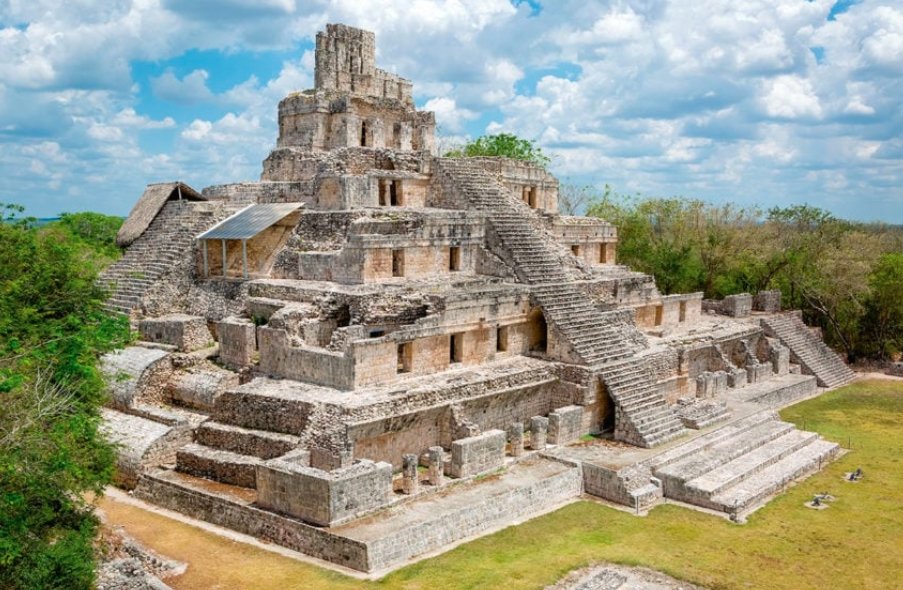
How LiDAR Uncovered Hidden Secrets
LiDAR works by sending laser pulses from aircraft to measure distances and create detailed 3D maps. In the Maya lowlands, it stripped away vegetation to expose over 110,000 structures, many with stone features like vaults and arches.
This tech has transformed archaeology since its first big use in Guatemala in 2018, which hinted at larger populations. The latest 2025 analysis builds on that by combining datasets for a fuller picture.
Researchers found evidence of intensive farming, water systems, and defensive walls, suggesting the Maya supported huge numbers through smart land management. These discoveries explain how such a large population thrived in tropical settings.
One key insight is the mix of urban and rural life. Cities like Calakmul bustled with tens of thousands, while nearby villages fed them with crops from terraced fields.
The survey also spotted long causeways linking sites, showing trade and movement on a grand scale. This network likely helped the civilization peak before its decline around 900 C.E.
Revised Estimates and What They Mean
The updated population range sits between 9.6 and 16.5 million, more than double some older figures. This equals the size of modern New York City twice over, spread across a region the size of Ireland.
To put this in context, here are some comparisons with other ancient civilizations:
- Ancient Egypt: Around 3 to 5 million at peak.
- Roman Empire: Estimated 50 to 90 million across a much larger area.
- Inca Empire: About 10 million before European contact.
These numbers show the Maya as one of the densest pre industrial societies.
Such a large population implies complex governance. Leaders managed food, water, and conflicts in ways that sustained millions for centuries.
Environmental factors played a role too. The study notes how Maya engineers built reservoirs and canals to handle rainy seasons and droughts, supporting agriculture for the masses.
This revelation ties into broader discussions on ancient sustainability. It shows how past societies adapted to challenges, offering lessons for today’s climate issues.
Experts say this could rewrite history books, emphasizing the Maya’s ingenuity over mystery.
Reactions from the Archaeology World
The findings have sparked excitement among scholars. One lead researcher noted the surprise at seeing population estimates jump so high, calling it a game changer for understanding Maya complexity.
Other experts agree, pointing out how LiDAR has revolutionized the field by revealing sites without digging. This non invasive method speeds up discoveries and preserves fragile ruins.
| Key Maya Sites and Estimated Populations | Peak Period | Notable Features |
|---|---|---|
| Calakmul | 600-900 C.E. | Massive pyramids, up to 50,000 residents |
| Tikal | 600-900 C.E. | Temples and plazas, around 90,000 people |
| Copan | 600-900 C.E. | Sculptures and ball courts, 20,000-30,000 |
This table highlights major centers that anchored the civilization’s growth.
Some caution that while LiDAR provides maps, more on site work is needed to confirm details like exact timelines and daily life.
The study also connects to recent 2025 events, such as similar tech use in Amazon surveys uncovering lost cities there, showing a global trend in rethinking ancient worlds.
Looking Ahead to More Discoveries
Future research may scan even larger areas, potentially finding more sites and refining these estimates. Teams plan to integrate AI with LiDAR for faster analysis of massive data sets.
This could reveal why the Maya declined, linking population pressures to environmental shifts or conflicts. Understanding these patterns might help modern societies avoid similar fates.
As new tech uncovers more, the Maya story continues to evolve, blending history with cutting edge science.
What do you think about these findings? Share your thoughts in the comments and spread the word to fellow history buffs.