
News
Ancient Chewing Gum Reveals Full Human Genome Secrets

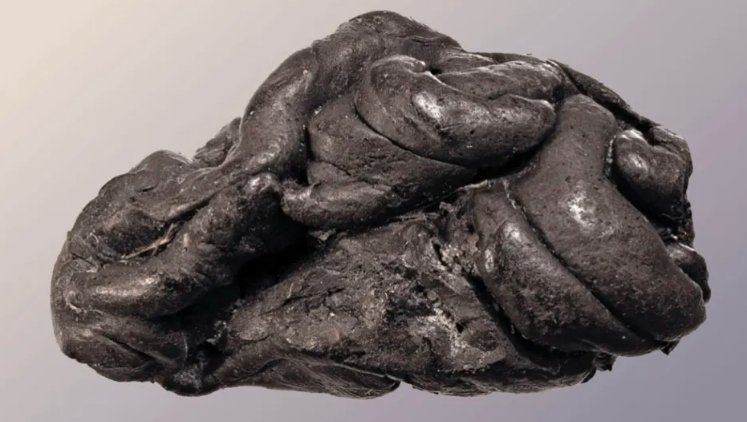
Scientists in Denmark have unlocked a complete human genome from a 5,700-year-old piece of chewing gum made from birch tar. This remarkable find, discovered during excavations on Lolland island, offers fresh insights into Stone Age life, including the chewer’s appearance, diet, and health.
The discovery happened at the Syltholm site, where archaeologists unearthed the ancient gum in 2019. Recent 2025 analyses have deepened our understanding, showing how this simple artifact preserves DNA better than many bones. Researchers say it opens new doors for studying prehistoric humans without relying on skeletal remains.
Discovery of the Ancient Gum
Archaeologists found the chewing gum during digs at Syltholm, a key Stone Age site on Denmark’s Lolland island. The gum, made from heated birch bark, dates back about 5,700 years to the Neolithic period.
This pitch was common in prehistoric times for making tools. People heated birch bark to create a sticky substance used to attach stone blades to wooden handles. Many such pieces show tooth marks, hinting that folks chewed it to soften it for use.
Experts think chewing also served practical purposes. The birch tar has natural antiseptic qualities that could ease tooth pain or clean teeth. Some believe it helped with hunger or even as a basic medicine.
The gum’s waterproof nature helped trap and preserve DNA over millennia. This allowed scientists to extract genetic material in ways not possible with degraded bones.
What DNA Tells Us About the Chewer
The genome revealed the chewer was a woman, likely in her teens or early adulthood. She had dark skin, dark brown hair, and blue eyes, a mix common among European hunter-gatherers back then.
Genetically, she linked more to western European hunter-gatherers than local Scandinavian groups. This suggests migration patterns during the Stone Age, as people moved across regions.
Her DNA showed no signs of lactose tolerance, fitting a time before dairy farming spread widely. Traces of plant and animal DNA in the gum pointed to her last meal, possibly including hazelnuts and duck.
Researchers named her Lola in popular reports, though that’s not official. This find marks the first full ancient human genome pulled from something other than bone or teeth.
Oral Microbiome and Health Clues
The gum held more than human DNA. It captured a snapshot of the woman’s oral bacteria and viruses.
Scientists identified microbes linked to gum disease, like those causing periodontitis. This hints she might have had dental issues, common in hunter-gatherer diets.
One virus stood out: Epstein-Barr, which causes mononucleosis today. Finding it in ancient DNA shows how long such pathogens have affected humans.
These details paint a picture of daily health struggles in the Stone Age. Without modern medicine, people relied on natural remedies like birch tar for relief.
The study also found no tobacco traces, confirming the gum’s age before such plants reached Europe.
How Scientists Extracted the Genome
Extracting DNA from ancient gum involves careful steps. Labs use clean rooms to avoid modern contamination.
First, they dissolve the pitch without harming genetic material. Then, sequencing machines read the DNA code, piecing together the full genome.
This process achieved a depth of 2.3 times coverage, enough for reliable results. It’s like reading a book multiple times to catch every detail.
Comparisons with modern and other ancient genomes helped confirm findings. Tools like AI-assisted analysis speed up this work in 2025 labs.
The method could apply to other artifacts, like resins or seals from different eras.
Here’s a quick look at the key extraction steps:
- Sample collection in a sterile environment
- Chemical breakdown of birch pitch
- DNA amplification using polymerase chain reaction
- High-throughput sequencing
- Data analysis with bioinformatics software
Broader Impact on Archaeology
This discovery changes how we study the past. Gum and similar items offer new DNA sources from sites without bones.
It ties into 2025 trends in ancient genetics, like recent Egyptian mummy genome work. These advances help trace human migration and evolution.
Experts predict more finds as digs use better tech. For instance, similar gum pieces appear in Sweden and Germany, waiting for analysis.
The research also sparks public interest. Museums now display replicas, teaching about Stone Age life.
| Aspect | Details from Gum DNA |
|---|---|
| Age | 5,700 years old |
| Location | Syltholm, Denmark |
| Chewer’s Traits | Female, dark skin, dark hair, blue eyes |
| Genetic Links | Western European hunter-gatherers |
| Diet Hints | Hazelnuts, duck |
| Health Insights | Possible gum disease, Epstein-Barr virus |
Why This Matters Today
In 2025, with climate change uncovering more ancient sites, such finds grow in importance. They remind us of human adaptability over time.
This gum connects us to ancestors who innovated with nature. It shows science’s power to revive lost stories.
As DNA tech improves, expect more revelations from everyday artifacts. This could rewrite history books on early Europeans.
Share your thoughts on this ancient discovery in the comments below. Did it surprise you? Pass the article to friends interested in history or science to keep the conversation going.













Spotify Running Mode hits Android and revives its old tempo experiment

Galaxy Tab S12 Ultra Renders Keep the Notch Fans Hate

Novato Spinning Round House Sells With Six Neighbors for $3.3 Million

Crop Tour Finds Indiana and Nebraska Corn Yields Lagging 2025

Best Buy 60th sale brings Android deals back to its roots

American Airlines reverses seatback screen bet years too late

Iran Hormuz Strikes Force Gulf Oil Onto Costlier Paths

Plague Tale Prequel Day One Joins Game Pass Wave 2 as Witcher Exits

NBA 2K27 opens The City to everyone and rewrites career eras

iOS 26.6.1 Patches 29 Flaws as AI Forces Faster Apple Updates

Double Fine Cuts 23 Jobs Weeks After Xbox Independence

Day-One Big Walk Lifts PS Plus August Beyond Recycled AAA

John Hight Exits Wizards After Digital Reckoning Hits

Curtis Mead’s Red Sox Debut Ends With Fractured Wrist

Red Sox Squander Hot Streak Chance in 4-3 Loss to Athletics

Moesch and Dressel Rewrite Night One at 2026 U.S. Nationals

Boutte’s Quiet Camp Takeover Forces Patriots Receiver Choices

Take-Two CEO Pushes Netflix Subs for GTA 6 Extended Look

Halo Campaign Evolved Skulls Meet Death Barriers That Kill the Hunt

Wildlands Free Update Hands Players the Tools They Already Invented
-

 TECHNOLOGY3 years ago
How to Adjust a Bulova Watch Band – An Easy Guide
-

 News3 years ago
Fred Pentland: Athletic Bilbao’s English mentor who changed the essence of Spanish football
-

 FINANCE3 years ago
Tax Planning for Every Season: Guide to Maximizing Your Tax Benefits
-

 Education3 years ago
African Ministers New Education Plan
-

 BUSINESS3 years ago
What is Entrepreneurial Operating System? A Comprehensive Guide to EOS
-

 Education3 years ago
Innovate Your Learning Journey with Technology and Enhance Education
-

 News3 years ago
Russians formally out of World Athletics Championships
-

 BUSINESS3 years ago
Top 9 Most Expensive American Cities to Rent an Apartment