
The Clifton Christian Church Food Bank in Grand Junction, Colorado, steps up efforts to combat rising food insecurity affecting thousands in Mesa County amid a federal government shutdown and cuts to SNAP benefits. Local leaders report that one in seven residents now struggles to put meals on the table, prompting the pantry to expand services without barriers for those in need.
Rising Food Insecurity Challenges in Mesa County
Food insecurity has climbed sharply in Mesa County this year, hitting levels not seen in over a decade. Experts point to soaring grocery prices, shelter closures, and delays in federal aid as key drivers behind the crisis. In 2025, about 13.7 percent of the county’s population, or roughly 21,480 people, faces hunger risks, slightly below the national average but a stark rise from recent years.
This surge ties into broader Western Slope trends, where one in eight individuals reports food access issues. The recent government shutdown has left around 11,000 local families without timely SNAP payments, forcing many to seek emergency help for the first time. Community members share stories of sudden hardships, like job losses or medical emergencies, that push stable households into vulnerability.
Local data shows the problem worsens with inflation outpacing wages for many workers in agriculture and tourism sectors. Health officials warn that prolonged insecurity leads to poorer nutrition and higher stress levels, impacting families across all ages.
Flexible Service Models Meet Community Needs
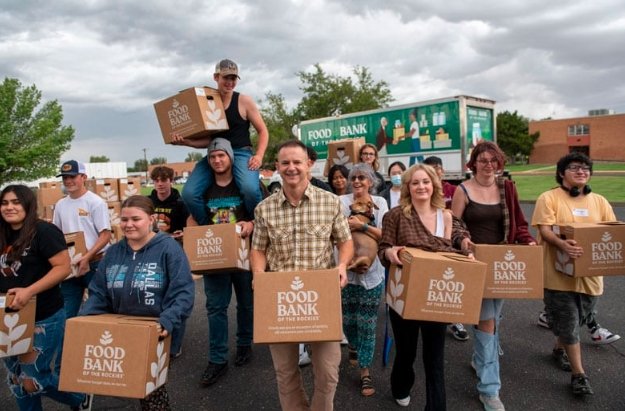
The food bank stands out by offering two main ways to get help, making it easier for busy or mobility-challenged residents to access support. The drive-through option lets people stay in their cars, ideal for those with young children or health concerns, while lines form steadily during peak hours.
In contrast, the walk-through choice pantry feels like a small grocery store, where visitors pick items tailored to their preferences. Shoppers can select specific soups, fresh produce, or even laundry supplies, giving a sense of dignity and control during tough times. Staff note that this model helps about 200 families weekly, with no ID or registration required upfront.
One recent visitor, a widow dealing with grief and benefit shortfalls, called the experience life-changing after years of self-sufficiency. Such personal accounts highlight how the pantry bridges gaps left by reduced government aid.
Holiday Season Demands and Preparations
As Thanksgiving approaches, the food bank gears up for a spike in requests, planning to distribute at least 500 boxed meals the Monday before the holiday. Registration starts in early November to ensure accurate stocking, including pies and traditional sides for every participant. This preparation comes amid warnings that shutdown effects could push insecurity higher than during past disruptions.
Volunteers work overtime to sort donations and organize events, drawing on partnerships with groups like the Food Bank of the Rockies. Past holiday drives have served hundreds, but 2025 projections show even greater need due to ongoing economic pressures. Organizers stress early sign-ups to avoid shortages.
To illustrate the scale, here’s a quick look at key holiday needs:
| Item Category | Examples Needed | Estimated Quantity for 500 Boxes |
|---|---|---|
| Proteins | Turkey broth, canned meats | 500 units |
| Vegetables | Green beans, sweet potatoes | 1,000 cans/bags |
| Sides | Instant potatoes, stuffing | 750 packages |
| Desserts | Pies, canned fruits | 500 pies |
This table underscores the volume required to make holidays brighter for families.
Ways the Community Can Support the Effort
Residents play a vital role in sustaining these services through simple actions like dropping off non-perishables or contributing cash for bulk buys. The pantry welcomes items year-round but ramps up calls during holidays to cover extras like fresh produce that perishable quickly.
Monetary gifts allow flexible purchasing, especially as costs rise. Local businesses and banks have hosted drives in recent months, boosting supplies and awareness. For those short on time, online platforms link directly to the food bank’s needs list.
Here are top donation tips to maximize impact:
- Focus on shelf-stable goods like canned veggies or pasta to ensure longevity.
- Check expiration dates before contributing to keep quality high.
- Organize group drives at workplaces or schools for larger hauls.
- Consider recurring monthly pledges for steady support.
These steps not only fill shelves but also build community ties against hunger.
Broader Impact and Future Outlook
The food bank’s work ripples through Mesa County, easing burdens on schools and clinics strained by the crisis. By providing choice and convenience, it helps families maintain routines despite setbacks. Officials hope federal resolutions soon restore benefits, but local initiatives like this remain crucial for long-term stability.
Looking ahead, plans include expanding partnerships to tackle root causes, such as job training tied to food aid. Success stories from 2025 show resilience, with many clients regaining footing after temporary help. As one leader put it, ending hunger starts with collective action in places like Clifton.
Readers, if this story resonates, share it with friends and drop a comment below on how you’ve seen food insecurity affect your circle. Your voice could spark more support.