Mesa County just gave residents a peek behind the curtain — releasing an online dashboard that shows how the community’s health priorities are doing in real time.
From Paper Plans to Clickable Progress
It’s all tied to the Community Health Improvement Plan, or CHIP for short. Every few years, Mesa County Public Health runs a deep dive — the Community Health Needs Assessment — to figure out what’s working and what needs help.
The CHIP takes that data and turns it into a to-do list for the next three years. Now, instead of just promising progress, county health leaders want everyone to see it.
One line here: That’s where the dashboard comes in.
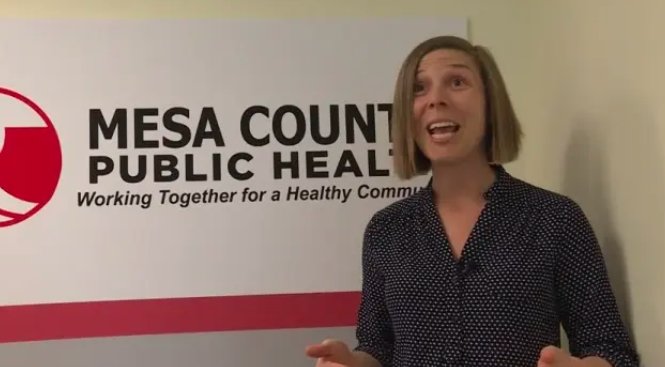
Chief Health Strategist Alli Howe calls it a game-changer for accountability. “We can demonstrate our success and our progress and do it again for the next cycle,” she says.
Why Economic Stability and Behavioral Health?
Not every health department would lead with jobs and mental health. But here in Mesa County, those two issues top the list.
The Community Health Needs Assessment flagged them early. Folks struggling with money or untreated mental health issues ripple through families, workplaces, schools — you name it.
Howe says these issues go hand in hand. “If you want healthier families, you have to make sure people can afford housing, food, and childcare,” she says. “And you have to tackle mental health stigma at the same time.”
One local counselor in Clifton said the dashboard might help folks feel less alone. “It shows people, look — we see you. We know what you’re dealing with.”
So, What’s Actually on the Dashboard?
You won’t find fancy animations or distracting charts. The dashboard is simple, with easy-to-read stats and a clear baseline for each goal.
It tracks key data points like:
-
Economic measures (income levels, employment rates)
-
Behavioral health access (number of people using services)
-
Community survey results on mental wellness
-
Progress on partnerships with local groups
One sentence here: All that data will update regularly, not just once every few years.
Tracking Health: Past and Future
To understand how the new tool works, it helps to see how this looked before.
Here’s how Mesa County tracked health priorities in past CHIP cycles:
| CHIP Cycle | Focus Areas | Public Access to Data |
|---|---|---|
| 2014–2017 | Obesity, Child Health, Safety | Annual report, no dashboard |
| 2018–2021 | Mental Health, Housing, Food | Printed updates, PDF only |
| 2022–2025 | Economic Stability, Behavioral Health | New public dashboard! |
So for the first time, it’s not just a PDF or a slide buried in a meeting. Anyone with internet can pull up the dashboard, see what’s trending, and ask questions.
How Will It Really Help?
Some skeptics wonder if numbers on a screen make a difference. Howe thinks they do — especially for partners like schools, nonprofits, and clinics who can use the stats to argue for grants and funding.
One health worker in Orchard Mesa said she’s hopeful. “Sometimes you feel like you’re fighting alone. This helps us point to the progress, or say, ‘Hey, we need backup here.’”
And it’s not just about impressing grant boards. The county says transparency keeps them on track.
One line here: No more hiding slow progress.
Here’s What’s Next
Of course, dashboards don’t fix problems on their own. They just show the story.
MCPH has already mapped out ways to adjust if certain numbers don’t move in the right direction. That means swapping strategies, ramping up outreach, or doubling down on what works.
The dashboard will update as new data comes in — so every three years, the cycle closes, and a new one begins. Each time, the baseline resets and the goals shift depending on what the numbers say.
One health planner joked, “It’s like a fitness tracker, but for the whole county.”
Accountability That Anyone Can See
Howe says it best: “This round, having it public is really exciting. It’s not just transparency for the sake of it — it’s about showing ourselves and our partners that we really are capable of accomplishing so much.”
And if things don’t improve? People will know.
One neighborhood volunteer in Palisade said that’s a good thing. “You can’t just say, ‘We’re working on it.’ Now we can see if you really are.”