The Mesa County Landfill in Grand Junction, Colorado, has rolled out a cutting edge Meerkat monitoring system to track and manage harmful gases in real time. This move by local operators aims to cut down on safety hazards and cut emissions from waste breakdown, marking a big step forward for the site.
What the Meerkat System Brings to the Table
Operators at the Mesa County Landfill used to check gas levels just once a month by hand at various wells across the site. That old method left gaps where issues could build up without notice. Now, the new setup from Grand Valley Instrumentation changes everything with automated checks that happen every hour.
The system hooks up to existing wells and pulls in data on methane, oxygen, pressure, and flow rates. It runs on solar power, making it easy to set up in remote spots. Developers say it samples key metrics right at the wellhead and then adjusts things on its own to keep everything running smooth.
This tech came about after talks between landfill staff and the Grand Valley team about a year and a half ago. They saw the need for better tools as rules on gas monitoring get stricter. The Mesa County site stands as the first in Colorado to try it out, setting an example for other places.
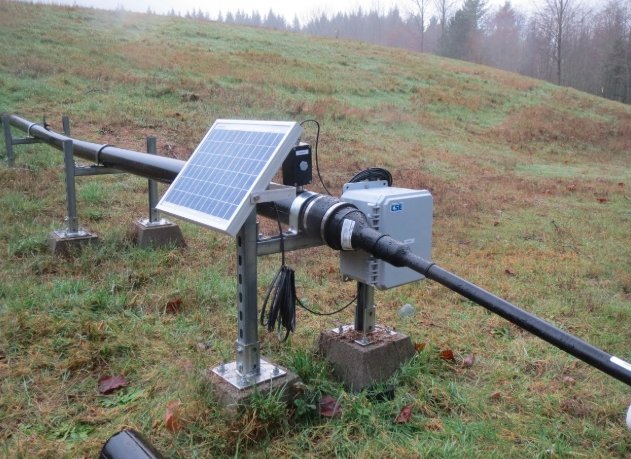
How Real Time Data Cuts Down Risks
When trash breaks down underground, it gives off gases like methane that can spark fires or harm health if they build up. Before, a single monthly reading meant operators might miss spikes that could lead to leaks or explosions. The Meerkat system fixes that by giving hundreds of data points each month through a cloud dashboard.
Staff can now spot problems early and tweak vacuum pipes that pull gas to flares or energy plants. This keeps pressure balanced across the whole field, stopping gases from slipping out. One key win is lowering the chance of exposure for workers and visitors on site.
Experts point out that unchecked landfill gas not only endangers people but also lets pollutants drift to nearby homes. Methane packs a punch on climate change, trapping heat far more than carbon dioxide in the short term. Recent studies show landfills worldwide leak enough methane to match emissions from thousands of cars each year.
- Key safety gains from the system:
- Instant alerts for high gas levels to prevent fires.
- Reduced need for hands on checks, saving time and cutting exposure risks.
- Better control over underground pipes to avoid pressure buildups.
Old Ways vs New Tech: A Clear Upgrade
To see the shift, look at how monitoring has evolved at sites like Mesa County. Monthly manual reads offered limited views, while the new tool delivers ongoing insights. This table breaks down the differences based on what operators report.
| Aspect | Old Monthly Monitoring | New Meerkat System |
|---|---|---|
| Check Frequency | Once per month | Every hour, with hundreds of points |
| Data Points | One per well | Continuous across the field |
| Adjustment Method | Manual tweaks by staff | Automatic based on real time readings |
| Power Source | None needed for checks | Solar powered for remote operation |
| Response Time | Days or weeks to act | Minutes for alerts and fixes |
This comparison shows why the switch matters. It not only boosts efficiency but also lines up with broader pushes to handle waste better. For instance, just last year, a similar upgrade at a California landfill helped capture more gas for power, tying into renewable energy goals.
Pushing Forward on Emissions and Energy
The Meerkat setup does more than watch gases; it helps turn them into something useful. By capturing more methane, the landfill can feed it to energy recovery spots, cutting waste and creating clean power. This fits with national efforts to drop greenhouse gases, as methane makes up about 30 percent of U.S. warming from human sources.
In Colorado, where dry lands and growing towns mix, tools like this tackle local worries about air quality. Nearby communities have raised flags over smells and health effects from old dumps. The system promises to shrink those fugitive emissions, which can carry cancer linked chemicals.
Developers at Grand Valley Instrumentation stress that optimal well performance means less gas escapes to the air. Early tests at Mesa County show promise in holding back leaks that could harm the area. Plus, with climate talks heating up, this kind of local action adds to bigger fixes like upgrading open dumps worldwide.
Why This Matters for Communities Now
Landfills play a key role in handling everyday trash, but they come with challenges that affect everyone nearby. The Mesa County update comes at a time when talks on sustainable waste are everywhere, from city halls to global summits. It answers real questions about how to keep sites safe while fighting climate change.
Think about recent events, like methane flares gone wrong at other U.S. sites that led to evacuations. Better monitoring could prevent those headaches. For residents, it means cleaner air and fewer worries about what happens with their waste.
This tech also opens doors for jobs in green energy, as captured gas turns into fuel. Operators say it could inspire other Colorado landfills to follow suit, spreading the benefits wider.
What do you think about these changes in waste management? Share your views in the comments below and pass this article along to friends who care about local environment news.