Mesa County Public Health (MCPH) recently hosted an MMR (measles-mumps-rubella) vaccine clinic on April 26, 2025, amid rising concerns over increasing measles cases in the U.S. and Colorado. The clinic was a part of the county’s ongoing efforts to educate the community and prevent the spread of the contagious disease.
The clinic provided locals with an opportunity to receive the MMR vaccine, assess their vaccination status, and speak with health experts about any concerns related to the vaccine. “We’ve got a lot of science behind how vaccines work and why they work,” said Allison Sanchez, the Clinical Director for MCPH. “Understanding disease spread is challenging, and that’s why we have expert nurses here who can answer questions about the MMR vaccine and other vaccines.”
The Growing Threat of Measles
Measles, once nearly eradicated in the U.S., is making a comeback, with several confirmed cases recently reported across the nation. Colorado has already confirmed four cases, with the most recent on April 23, 2025. This resurgence has prompted health departments to push for vaccination clinics like the one hosted by MCPH to prevent further spread.
The disease spreads easily, especially in close quarters such as classrooms. Sanchez explained, “Measles is highly contagious, and it can spread rapidly, especially where children gather.” Beyond the immediate concerns of infection, measles can lead to severe health complications and even death. “Measles can cause death, and that’s why it’s so important to protect everyone,” Sanchez said, highlighting the urgent need for vaccination.
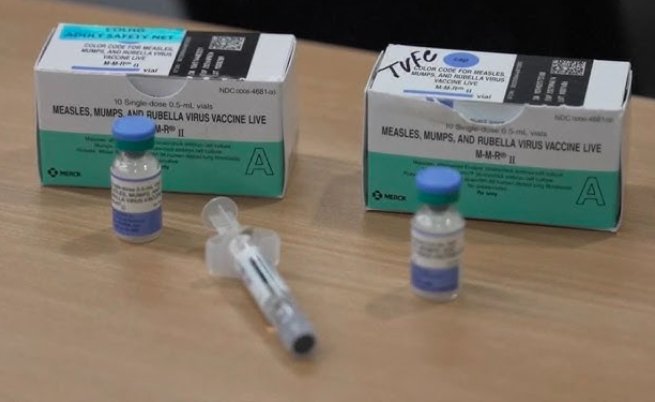
Vaccination is Key to Stopping Measles Spread
The primary goal of the MCPH clinic was not just to offer vaccinations but to educate the public about the importance of the MMR vaccine. Sanchez explained that the MMR vaccine reduces the transmission rate of measles to nearly zero when individuals are properly vaccinated. However, the clinic’s outreach was also focused on protecting those who are unable to receive the vaccine due to medical reasons, such as immunocompromised individuals.
The idea behind vaccination is to create herd immunity, which protects vulnerable individuals who cannot be vaccinated. “It’s not just about protecting yourself, but also about protecting those around you, especially people who are more susceptible to disease,” Sanchez noted.
For those who have concerns about the MMR vaccine or want to confirm their vaccination status, MCPH encourages residents to reach out. Nurses at the clinic are available to answer questions and provide support for anyone unsure about the vaccine.
Ensuring Safety and Building Trust
In addition to providing the vaccine, the clinic was an opportunity to build trust within the community by addressing any doubts or misconceptions about the MMR vaccine. Vaccine hesitancy remains a challenge in some areas, and health professionals like Sanchez emphasize the importance of open dialogue. “If anyone has questions about the MMR vaccine, they should give us a call,” she urged. “We can have those conversations and help alleviate concerns.”
This clinic is just one of many efforts being made across the country to curb the spread of measles and other vaccine-preventable diseases. Local health departments like MCPH continue to be an essential resource for public health education and disease prevention.