
Mesa County’s waterways are about to get a closer look. As part of a larger stormwater program, officials will begin sampling runoff to check for contaminants like E. coli and selenium — a move locals hope will keep rivers, creeks, and neighborhoods safer.
Phase Two Kicks Off With Big Investment
The Mesa County commissioners greenlit a contract worth more than $100,000 at their public hearing on June 24th. It’s a chunk of money, sure — but many believe it’s money well spent.
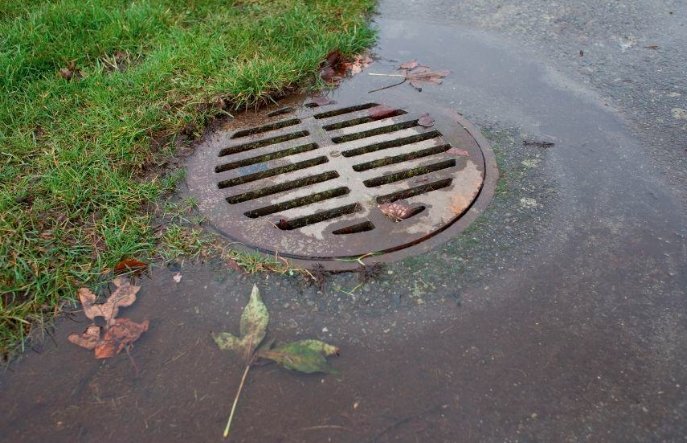
Phase two focuses on pinpointing whether pollution is flowing from the municipal separate storm sewer system, or MS4. It’s not exactly glamorous work, but it could be crucial.
One county official summed it up: “If we find out where these pollutants are coming from, we can fix the problem before it hits the river.”
Why Worry About E. Coli and Selenium?
It sounds technical, but it’s not rocket science. E. coli is a bacteria found in human and animal waste. It can make people sick if it ends up in drinking water or places where kids play.
Selenium, meanwhile, is a naturally occurring element — but in high amounts, it’s bad news for fish, wildlife, and folks who rely on healthy water for farming.
One sentence of concern: unchecked, these pollutants can sneak into irrigation ditches, backyard gardens, and even the food chain.
Two Rounds of Testing Planned
To get a clearer picture, crews will collect water samples twice this year — once in July and again in October.
These snapshots will help answer key questions: Is the pollution worse during certain seasons? Is runoff from rain washing bacteria straight into rivers? Or is it coming from older pipes in the MS4 system?
Officials say both dry weather and storm conditions will be tested to see how big the spread really is.
What Residents Should Know
The county wants folks to understand what this means for them. For now, daily life won’t change much — no construction crews tearing up streets just yet.
A local environmental planner gave residents a few pointers:
-
Be mindful of what goes down storm drains — only rainwater belongs there.
-
Pick up pet waste. It’s one of the biggest backyard sources of E. coli.
-
Stay alert for any unusual smells or water discoloration near drains and ditches.
These small steps can add up, keeping sampling results cleaner in the long run.
The Bigger Picture for Mesa County
Mesa County isn’t alone in tackling runoff. Communities nationwide face the same balancing act: growth and development put more strain on stormwater systems, and that means more chances for pollution to slip through the cracks.
A quick look at a similar program in Kansas shows how local monitoring can make a difference:
| County | Annual Stormwater Budget | Key Pollutants Monitored |
|---|---|---|
| Mesa County, CO | $100,000+ | E. coli, Selenium |
| Johnson County, KS | $150,000+ | Nutrients, E. coli, Metals |
Officials hope their data will guide smart upgrades to infrastructure — think better filters, new retention ponds, and stricter rules for new construction projects.
One line says it best: test now, fix before it’s too late.