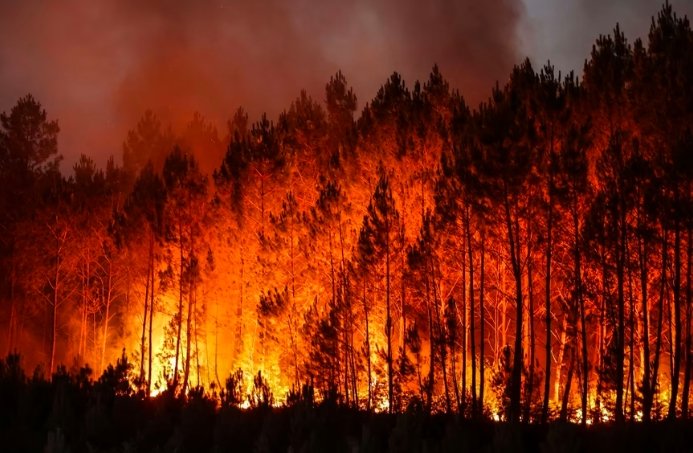
Wildfires rage on after dark, forcing crews to adapt their tactics in Colorado and beyond. As seen in the ongoing Lee Fire near Meeker, nighttime brings cooler weather that aids efforts, but low visibility and tough terrain create real hurdles for firefighters working around the clock.
This shift in conditions allows strategic moves like controlled burns, yet demands careful planning to keep teams safe. With fires burning hotter and more frequent in 2025, understanding these nighttime impacts is key for effective response.
Weather Advantages at Night
Fire behavior often calms after sunset, giving crews a window to gain ground. Cooler temperatures and higher humidity slow fire spread, making it easier to approach edges without extreme risks.
In recent cases, like the Lee Fire, teams have used these hours for firing operations. Experts note that relative humidity can rise significantly overnight, reducing flame intensity. This pattern holds true across western states, where 2025 has seen over 4 million acres burned already.
Such conditions let firefighters build containment lines more effectively. Without the day’s heat driving rapid growth, progress happens faster in some spots.
Data from fire management teams shows success rates for nighttime tactics can jump by 20 percent in favorable weather. Yet, not every night offers relief, as persistent winds can keep dangers high.
Visibility Struggles in the Dark
Low light turns rugged landscapes into mazes, complicating every move. Firefighters rely on headlamps and thermal tools, but smoke and uneven ground raise injury risks.
Terrain like steep slopes near Meeker amplifies these issues. Crews adjust by slowing operations and avoiding high-exposure zones, focusing instead on monitoring hot spots.
Thermal imaging helps spot heat sources that stand out against the cool night. This tech has proven vital in 2025 fires, allowing detection of hidden embers that might flare up come dawn.
Even so, human factors play in. Shifting to night schedules disrupts sleep and eating, taking days to adjust. Fatigue becomes a silent foe, demanding strong team support.
Tactics That Adapt to Darkness
Strategies evolve to match the night’s demands, blending caution with bold action. Ground crews pair with aerial support where possible, using precision drops guided by night vision.
Key approaches include:
- Controlled burns to create barriers when winds die down.
- Patrols focused on structure protection in threatened areas.
- Use of drones for overhead views, filling gaps when helicopters ground.
These methods vary by fire size and location. For urban-interface blazes, night work protects homes while flames ease.
In the Lee Fire, officials stress presence overnight to safeguard values at risk. This proactive stance has contained outbreaks that could explode by morning.
Innovations Boosting Night Efforts
Technology bridges gaps left by darkness, transforming how teams operate. Night vision goggles enable safer helicopter flights, a game-changer in places like California and now expanding in Colorado.
Drones equipped with infrared cameras scout ahead, spotting fires early. These tools cut response times and reduce risks to pilots.
| Innovation | Benefit | Example Use in 2025 |
|---|---|---|
| Night Vision Goggles | Improves aerial visibility for drops | Lee Fire helicopter ops |
| Thermal Drones | Detects heat in smoke | Western U.S. wildfire patrols |
| Advanced Lighting | Enhances ground safety | Rugged terrain navigation |
Such advances stem from lessons in past seasons, like the 2023 Canadian fires where night ops contained spreads. Adoption grows, with agencies training more crews for 24-hour cycles.
Funding for these tools hit record levels this year, supporting broader use. Still, challenges remain in remote areas without quick access to gear.
Human Toll and Schedule Shifts
Adapting to inverted days tests endurance, as crews flip their routines. Sleeping through heat and staying alert at night requires discipline and recovery plans.
Leaders report it takes three to four days for full adjustment. Meals shift, and mental health checks become routine to combat stress.
In high-stakes fires, this toll adds up, but teams build resilience through experience. Support systems, including rest rotations, help maintain effectiveness.
Recent events, such as the Park Fire in California, highlight how night shifts saved communities. Firefighters share stories of spotting glows in the dark that led to quick containment.
Share your thoughts on wildfire response in the comments below, and pass this article along to raise awareness about the brave work happening after dark.