Archaeologists in central Panama have just unsealed one of the richest pre-Columbian tombs ever found in the Americas, a dazzling burial chamber overflowing with gold ornaments, whale-tooth ivory, and hundreds of exquisite ceramics that belonged to a high-ranking lord of the mysterious Coclé culture.
The discovery, made in late February 2026 at El Caño Archaeological Park, is already being called the most important find in Panama since the legendary Sitio Conte graves of the 1930s and 1940s.
The Lord of El Caño Rests Face-Down in Glory
Tomb 3, first detected in 2009 but only fully excavated this season, revealed an adult male of elite status buried face-down in the center, a position that researchers say was reserved for the highest lords in Coclé society.
Around and beneath him lay the remains of at least eight other individuals, likely sacrificed followers or retainers, carefully arranged in layers. This dramatic multi-burial practice mirrors the famous “warrior graves” at nearby Sitio Conte.
Dr. Julia Mayo Torné, director of the El Caño project, told reporters on site: “This is the richest tomb we have opened in twenty years of work here. The quantity and quality of gold is absolutely exceptional.”
A Treasure That Sparkles After 1,200 Years
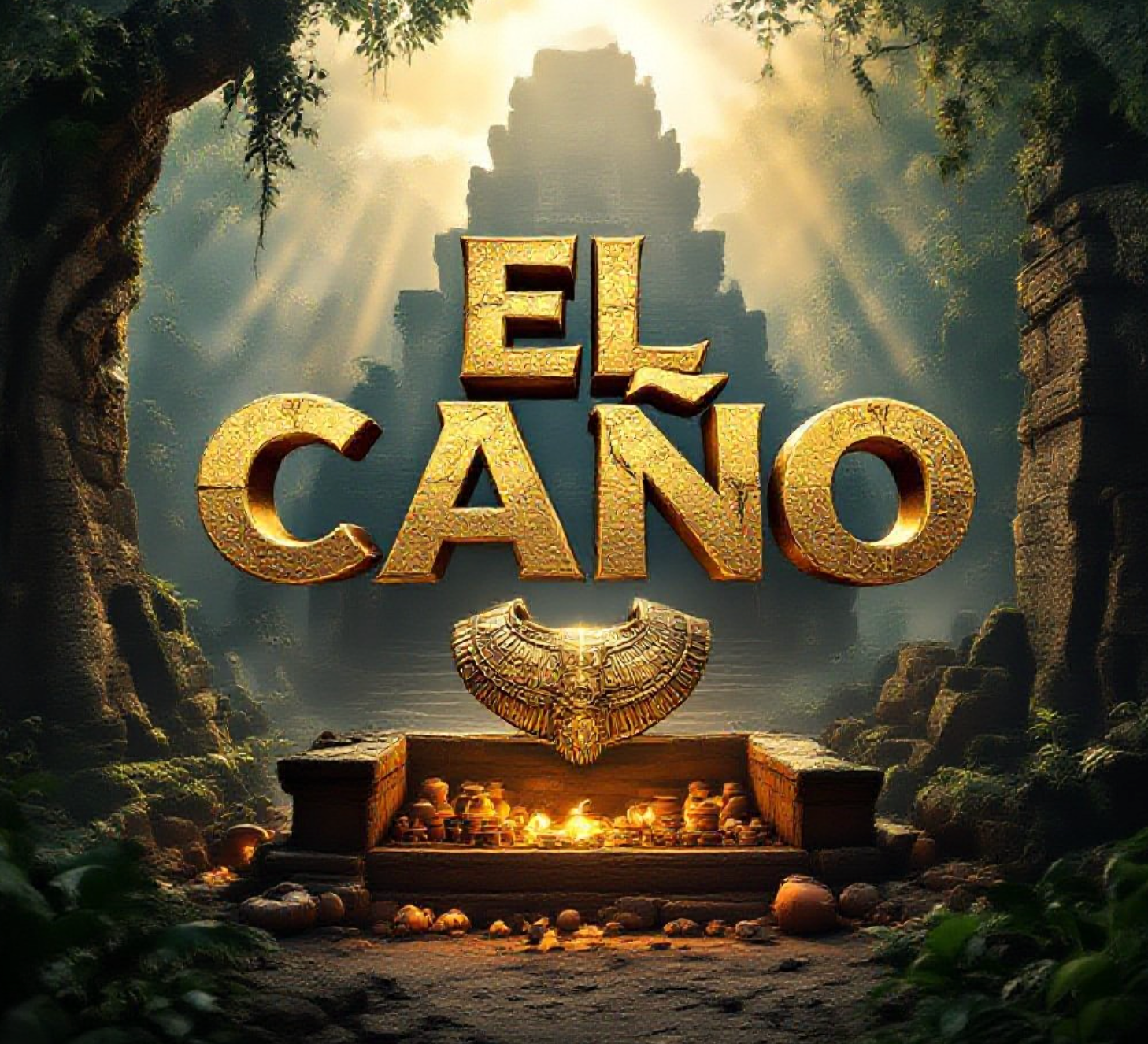
More than 50 gold objects have been recovered so far, including:
- Large embossed breastplates depicting supernatural beings
- Intricate ear rods and nose clips
- Gold-covered whale-tooth pendants (some weighing over 200 grams each)
- Belts made of hundreds of tiny gold beads
- Cuffs and plaques decorated with crocodiles, bats, sharks, and stylized human figures
The ceramics are equally breathtaking. Over 400 complete vessels, many painted in the famous polychrome style of the Coclé, were placed as offerings. Several show scenes of shamanic transformation and warfare never seen before.
Proof of a Vast Trade Network
Chemical analysis of the gold and the whale ivory confirms that the raw materials came from as far away as Colombia and the Pacific coast of Costa Rica, proving that the Coclé elite controlled long-distance trade routes more than a millennium ago.
The style of the artifacts shows direct links to the famous “Gran Coclé” tradition and strengthens the theory that El Caño and Sitio Conte were part of the same powerful chiefdom between 700 and 1000 CE.
Why This Changes Everything We Thought We Knew
Until now, scholars believed the grandest burials ended around 900 CE. Tomb 3 is dated by radiocarbon to between 750 and 800 CE and is richer than any grave found in the last century, forcing experts to rethink the timeline of power in ancient Panama.
Mayo and her team believe the central figure may have been a “sacred lord” or halaka, the highest rank in Coclé society mentioned in early Spanish chronicles.
Excavation continues this week. Archaeologists expect to find even more individuals and gold in the lower levels of the tomb before the rainy season forces them to close the pit in May.
This extraordinary discovery reminds us that Panama, so often seen only as a bridge between continents, was once home to one of the most sophisticated and wealthy cultures in the pre-Columbian Americas.
The Lord of El Caño has finally spoken after twelve centuries of silence, and his voice is pure gold.
What do you think, should Panama build a major new museum at El Caño to show these treasures to the world? Drop your thoughts below and share this story with #ElCanoGold if you’re as stunned as we are.