The Alzheimer’s Foundation of America offers key advice to make Halloween safer for people with dementia as October 31 approaches in 2025. These tips focus on reducing stress from routine changes and scary elements to keep loved ones comfortable and secure.
Halloween brings joy to many families with costumes tricks and treats but it can overwhelm those living with Alzheimer’s or other forms of dementia. Experts note that sudden noises unfamiliar sights and crowds often lead to confusion or agitation in affected individuals.
Why Halloween Poses Challenges for Dementia Patients
People with dementia thrive on familiar routines and any disruption can spark anxiety. This year with Halloween falling on a Friday communities across the US gear up for decorations and trick or treaters which alter neighborhoods in ways that feel disorienting.
Leah Daly a senior manager at the Alzheimer’s Foundation of America explains that even simple changes like new yard displays or costumed kids at the door break daily patterns. Recent studies show over 7 million Americans now live with Alzheimer’s a number rising each year due to aging populations.
Caregivers report higher stress levels during holidays as these events mix excitement with potential risks. In 2025 health reports highlight how sensory overload from flashing lights and loud sounds can trigger wandering or falls increasing safety concerns.
Essential Tips to Avoid Scary Decorations
Decorations make Halloween festive but some can harm those with dementia by causing fear or distress. The foundation urges families to skip items that startle or look too real to prevent negative reactions.
Motion activated props that jump out or scream aim to thrill visitors yet they often upset dementia patients who may see them as threats. Gruesome figures like skeletons or monsters blend fiction with reality in their minds leading to agitation.
Instead opt for gentle themes such as glowing pumpkins or colorful leaves that nod to the season without alarm. Neighbors play a big role too by toning down displays near homes with vulnerable residents fostering a kinder community vibe.
Ways to Help Loved Ones Relax During the Holiday
Keeping calm amid Halloween buzz requires proactive steps from caregivers. Soothing activities and a steady environment go far in easing tension for dementia sufferers.
Play soft music or read a favorite book together to counter outside noises from parties or fireworks. Physical reassurance like holding hands provides comfort when unfamiliar sounds arise reminding the person they are safe.
Experts recommend preparing in advance by discussing the day simply to set expectations. In one recent case a family in Colorado shared how quiet indoor games turned a potentially chaotic evening into a peaceful one for their relative.
Adapting Celebrations for a Dementia Friendly Experience
Traditional Halloween fun needs tweaks to suit those with memory issues ensuring everyone enjoys the night. Focus on low key activities that build positive memories without overwhelming senses.
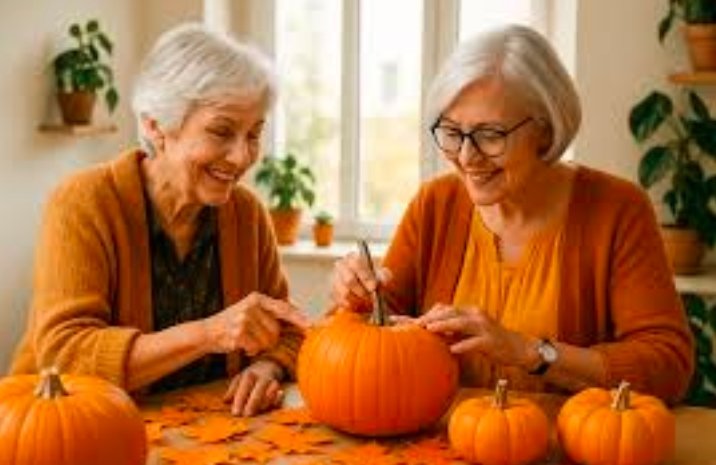
Swap candy for fruits or nuts since excess sugar might heighten restlessness. Look through old photos of past Halloweens or carve pumpkins side by side to spark joy through familiarity.
Watch mild shows about the holiday if interest shows but keep volumes low. These changes not only reduce risks but also strengthen family bonds during a time that can feel isolating.
| Activity | Traditional Way | Dementia Friendly Adaptation |
|---|---|---|
| Treat Giving | Hand out candy at door | Set bowl outside with sign or join at a quiet spot |
| Decorating | Hang scary props | Use soft lights and fall items |
| Partying | Loud gatherings | Small home sessions with calm music |
| Costuming | Full outfits | Simple accessories if desired |
| Reminiscing | Share stories | View photos or gentle crafts |
Safety Measures When Interacting with Trick or Treaters
Never leave someone with dementia alone to handle visitors as constant door knocks in costumes can confuse or scare them. This setup poses real dangers like elopement or mishandling interactions.
Stay by their side if they want to participate or move to a relatives home for controlled fun. Post signs asking trick or treaters to skip your house if needed protecting privacy and peace.
Light up inside and outside spaces to deter unwanted attention while signaling occupancy. In 2025 community programs in states like California encourage such alerts to build awareness and support networks.
- Keep interior lights on to show someone is home and reduce burglary risks.
- Place candy outdoors with a note saying take one to avoid repeated interruptions.
- Invite only known guests inside never strangers for added security.
- Have a backup plan like a quiet walk if crowds build up nearby.
Building Community Support for Inclusive Holidays
Neighbors and friends can make a big difference by showing consideration during Halloween festivities. Small acts like quieter approaches or helpful signs create a welcoming space for all.
Recent online discussions reveal how shared tips spread quickly helping more families prepare. Health organizations push for dementia friendly events nationwide tying into broader efforts against the diseases impact.
As cases climb with better diagnostics caregivers seek practical guidance like this to navigate holidays. The foundations resources prove vital in turning potential stress into shared moments of warmth.
Share your own Halloween stories or tips in the comments below and help spread awareness for a safer season.