The U.S. Supreme Court turned down an appeal from former Kentucky clerk Kim Davis on November 10, 2025. This move keeps the 2015 Obergefell ruling in place that lets same-sex couples marry across the country.
Davis wanted the court to rethink that decision after a jury made her pay over $360,000 to a gay couple she turned away. The justices said no without any note or vote split, easing fears for many in the LGBTQ community.
Background on Kim Davis Case
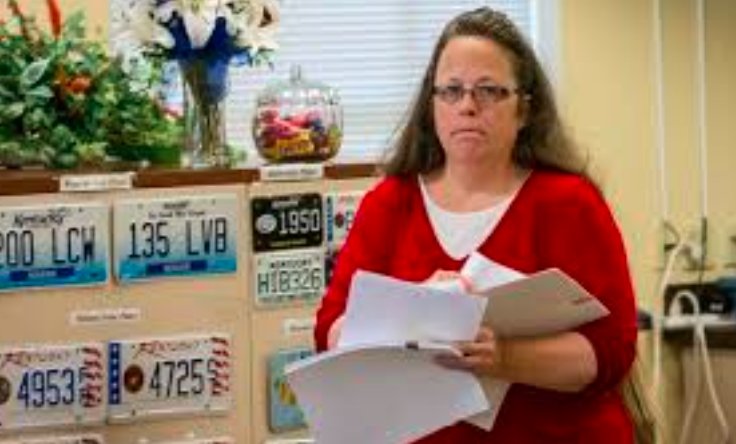
Kim Davis served as Rowan County clerk in Kentucky back in 2015. Right after the Supreme Court ruled in Obergefell v. Hodges, she stopped giving out marriage licenses to everyone. She said her Christian faith would not let her sign off on same-sex unions.
This led to big trouble for her. A federal judge put her in jail for five days over contempt of court. Even after that, she kept fighting. Couples like David Ermold and David Moore sued her for breaking their rights.
The case dragged on for years. In 2024, a jury hit her with $100,000 in emotional damages. They added $260,000 more for lawyer fees. Davis claimed her religion should protect her from paying up.
Lower courts did not buy her story. The 6th U.S. Circuit Court of Appeals said no in March 2025. They ruled that government workers must follow the law, even if it clashes with personal beliefs.
What the Supreme Court Did
The high court got Davis’s full appeal in August 2025. She asked them to wipe out Obergefell and shield her from the money award. Legal experts saw it as a slim chance from the start.
On Monday, the justices passed on the case. They need four votes to take one up, but none spoke up here. This quiet denial means the Obergefell precedent stands strong for now.
Experts point out that the court often skips cases like this. It avoids big fights unless they fit just right. Still, some worry about the court’s conservative lean after the 2022 abortion ruling.
Reactions from Key Groups
LGBTQ advocates cheered the news right away. Groups like the Human Rights Campaign called it a win for love and equality. They said it shows the court backs marriage rights for all.
One lawyer from the original Obergefell case felt relief. She noted how same-sex marriages have grown a lot since 2015. Over a million couples now tie the knot each year, double from ten years back.
Conservative voices felt let down. The Liberty Counsel, who helped Davis, vowed to keep pushing. They see it as a blow to religious freedom in public jobs.
On social media, talks lit up fast. Many shared stories of their own weddings. Others mocked Davis’s own four marriages, saying she picks and chooses her rules.
- Joy from same-sex couples who feared losing hard-won gains.
- Worry from faith groups about clashing rights.
- Calls for more laws to protect marriages nationwide.
Legal Impacts and What Comes Next
This ruling locks in same-sex marriage for the near term. But it does not set new rules. Another case could still test Obergefell down the line.
The 2022 Respect for Marriage Act helps too. It makes sure the federal government honors these unions, even if states back off. That law came after the Roe v. Wade fall shook things up.
Davis now owes the full $360,000. She might try to pay in bits or appeal other ways. Her fight highlights tensions between faith and duty in government work.
Experts watch for more challenges. With a 6-3 conservative court, anything could shift. But for today, equality holds firm.
| Key Dates in Kim Davis Case | Event |
|---|---|
| June 2015 | Obergefell ruling legalizes same-sex marriage. |
| September 2015 | Davis jailed for refusing licenses. |
| 2024 | Jury awards $100,000 damages plus fees. |
| March 2025 | 6th Circuit upholds the award. |
| August 2025 | Appeal filed to Supreme Court. |
| November 10, 2025 | Supreme Court denies the case. |
Ties to Broader Rights Battles
This decision links to other fights over rights. After Dobbs ended abortion access, many feared hits to marriage and voting rules. The court has shown it can flip old cases, but not here.
Recent polls show most Americans back same-sex marriage now. Support sits at 70 percent, up from half in 2015. That public shift might sway judges too.
States keep passing laws on LGBTQ issues. Some protect trans kids, others limit them. This ruling reminds everyone that federal law trumps local pushback.
Groups plan to stay alert. They push for stronger shields against any rollback. The battle for full equality goes on, but wins like this build hope.
Share your thoughts on this ruling in the comments below. Did it surprise you? Tell us and spread the word to keep the conversation going.