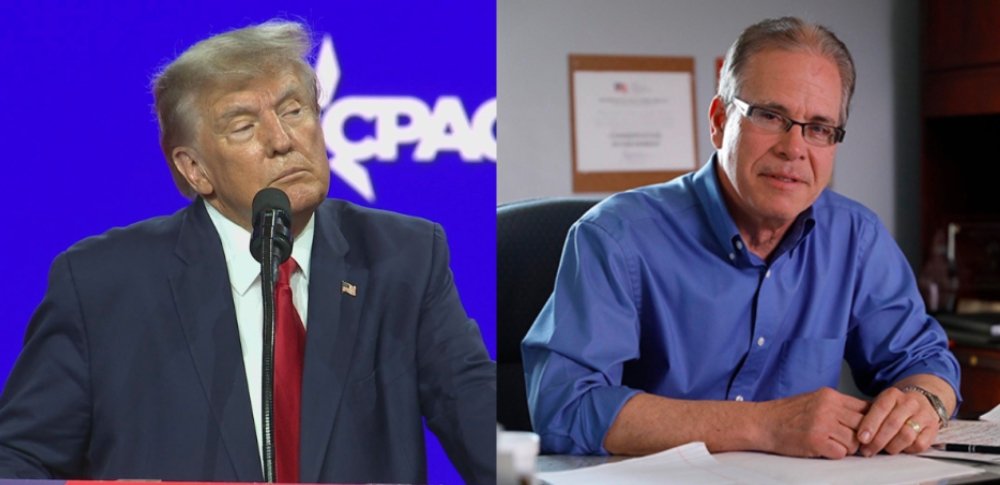
President Donald Trump lashed out at Indiana Governor Mike Braun and two state senators on Sunday for blocking a push to redraw congressional maps. The criticism came in a heated Truth Social post as Trump warned that the delay could cost Republicans seats in the U.S. House ahead of the 2026 midterms.
Trump’s remarks followed the Indiana Senate’s decision last Friday not to convene a special session for redistricting. This move defied pressure from the White House and Braun himself, who had called for the session in late October to create maps that favor GOP candidates.
Roots of the Redistricting Fight in Indiana
The battle over Indiana’s maps started months ago when Braun announced a special legislative session on October 27, 2025. He aimed to redraw the state’s nine congressional districts to boost Republican chances in next year’s elections. Trump and his allies saw this as a key step to flip the narrow House majority in their favor.
Senate President Pro Tempore Rodric Bray announced on November 14 that the chamber lacked the votes to pass new maps. Bray cited concerns about public backlash and the fact that Indiana already holds a strong Republican edge in its districts. Polls from recent weeks show about 60 percent of Hoosiers oppose mid-decade changes, fearing it looks like partisan gamesmanship.
State Senator Greg Goode, another target of Trump’s ire, has stayed neutral publicly. He said he would only weigh in once formal legislation hit the Senate floor. This stance drew Trump’s label of “RINO,” or Republican In Name Only, a term he often uses for party critics.
Protests erupted in early November, with groups rallying outside the Statehouse against the plan. One demonstration in New Albany drew hundreds who argued that redistricting now would undermine fair elections. These events highlighted deep splits within the Indiana GOP, where some lawmakers prioritize local voter trust over national strategy.
Trump’s Blunt Truth Social Attack
In his post on November 16, Trump did not hold back. He called out Bray and Goode directly, saying their resistance could hand Democrats an edge. “Very disappointed in Indiana State Senate Republicans, led by RINO Senators Rod Bray and Greg Goode, for not wanting to redistrict their State, allowing the United States Congress to perhaps gain two more Republican seats,” he wrote.
Trump then turned to Braun, a former ally. “Also, a friend of mine, Governor Mike Braun, perhaps, is not working the way he should to get the necessary Votes. Considering that Mike wouldn’t be Governor without me (Not even close!), is disappointing!” This jab referenced Trump’s endorsement during Braun’s 2024 campaign, which helped secure his win.
The president ended with a strong call to action. He urged primary challenges against any GOP lawmaker who opposes the effort. “Any Republican that votes against this important redistricting, potentially having an impact on America itself, should be PRIMARIED,” Trump declared. His words quickly spread online, sparking debates among supporters and critics alike.
Here are key excerpts from Trump’s statement that capture his frustration:
- “Because of these two politically correct type ‘gentlemen,’ and a few others, they could be depriving Republicans of a majority in the House, A VERY BIG DEAL!”
- “Senators Bray, Goode, and the others to be released to the public later this afternoon, should DO THEIR JOB, AND DO IT NOW! If not, let’s get them out of office, ASAP.”
- “Indiana is a State with strong, smart and patriotic people. They deserve better than this!”
Fallout and Reactions from Key Players
The backlash hit fast. Hours after Trump’s post, police responded to a swatting call at Senator Goode’s home in Pendleton. Authorities traced it to a false report of a shooting, a dangerous prank that heightened tensions. Local officials condemned the incident, linking it to the heated rhetoric.
Braun pushed back gently in a statement on November 14, before Trump’s blast. He stressed the need for fair maps and urged senators to “show up to vote.” But with his approval rating hovering around 24 percent in recent surveys, Braun faces his own challenges. Critics say his redistricting push has hurt his image among moderate voters.
Bray defended the Senate’s stance in a Friday release. “We do not have the support necessary to pass redistricting legislation at this time,” he said. Goode echoed this, noting the lack of a concrete proposal. On social media, some Hoosiers praised the senators for standing firm, while Trump loyalists called for their ouster.
National GOP figures weighed in too. Vice President JD Vance visited Indiana last month to rally support but found resistance. A Washington-based group even ran TV ads pushing for the change, spending over $500,000 in the state.
| State | Redistricting Status | Potential GOP Gain | Key Driver |
|---|---|---|---|
| Texas | Completed in summer 2025 | 3-4 seats | Trump pressure, full GOP control |
| Indiana | Stalled, no session | 2 seats targeted | Senate resistance, public polls |
| Florida | Under discussion | 1-2 seats possible | DeSantis signals support |
| California | Approved by voters (Dems) | N/A for GOP | Response to Texas move |
This table shows how Indiana fits into the wider map battles, with Texas as a success story for Republicans.
Why This Matters for 2026 and Beyond
Redistricting could tip the scales in the House, where Republicans hold a slim edge after the 2024 elections. Trump argues that new Indiana maps would create safer districts for his party, countering Democratic gains elsewhere. Experts estimate it might add two GOP seats, enough to buffer against midterm losses.
But opponents warn of legal fights. Mid-decade changes are rare and often challenged in court. In Indiana, Democrats have filed petitions against the special session, calling it a power grab. Nationally, this echoes the 2021 battles, where gerrymandering lawsuits dragged on for years.
The dispute also tests Trump’s grip on the party. His endorsements helped many Republicans win, but pushing states like Indiana risks alienating moderates. Recent events, like stalled efforts in Kansas and Florida splits, show limits to his influence. As one analyst noted, “This could backfire if voters see it as sour grapes.”
For Hoosiers, the fight raises questions about representation. With the next census not until 2030, any changes now would last a decade. Lawmakers reconvene Tuesday for organization day, where redistricting talk might resurface amid planned rallies.
National Wave of Redistricting Drama
Trump’s Indiana push is part of a larger strategy. It kicked off in Texas over the summer, where new maps helped Republicans solidify control. Democrats fired back in California, where voters approved changes in November that favor their side by up to five seats.
Other red states face similar debates. In Florida, Governor Ron DeSantis hinted at action with a “Stay Tuned” post, but House Speaker Dana Paul said it’s not ready. Kansas Republicans scrapped a session last week after failing to unite. These efforts aim to lock in advantages before the 2026 midterms, when history favors the opposition party.
Trump has framed it as fighting “illegal” Democratic tactics, though both sides play the game. His post noted, “The Democrats have done redistricting for years, often illegally.” This rhetoric fires up his base but draws fire from ethics watchdogs.
As the dust settles, watch for primary buzz in Indiana. Trump’s call could inspire challengers against Bray and Goode in 2026. For now, the state remains a flashpoint in the GOP’s quest for power.
Readers, what do you think about this redistricting clash? Share your views in the comments below and spread the word by sharing this article with friends. Your input helps shape the conversation on key issues like these