A free seminar this Sunday will tackle tough, emotional issues like PTSD, veteran suicide, and moral injury—bringing together clergy, caregivers, and community leaders under one roof in Grand Junction.
Seminar to Focus on Pain After the Uniform
This isn’t just another workshop with coffee and PowerPoint. The Community and Clergy Suicide Prevention and Moral Injury Seminar, hosted by the VA Western Colorado Health Care System, aims to talk openly about what many avoid—how the mental weight of service can follow veterans home, long after their last deployment.
Held on May 19 at the Western Region One Source from 2 to 4 p.m., the seminar is free and open to the public.
“We’re going to teach you how to equip your community to address and help prevent veteran suicide,” said Chaplain Rachel Mikaelson. She didn’t sugarcoat it—this is about real lives, real losses, and real healing.
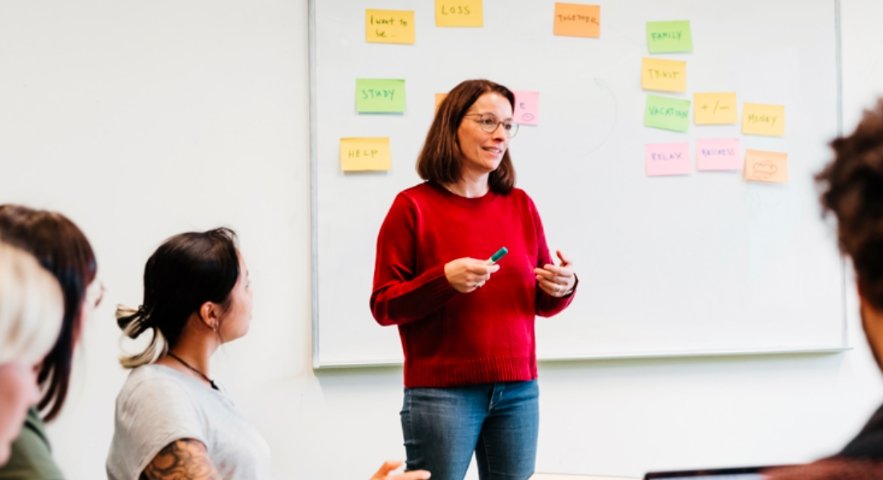
What Is Moral Injury, And Why It Matters Now
Moral injury is a term that’s slowly but surely gaining recognition in mental health circles. Unlike PTSD, which is more rooted in fear or trauma, moral injury often stems from guilt, shame, or ethical conflict.
It happens when someone—often a soldier—witnesses or is part of something that violates their core beliefs. Maybe they couldn’t save someone. Maybe they had to follow orders they’re still wrestling with.
This seminar intends to dig into that. And not with theory—but with raw honesty.
“You’re talking about wounds that don’t show up on X-rays,” said Mikaelson in an earlier panel. “But they can take lives all the same.”
Who Should Attend? More Than Just Veterans
While the VA is behind the seminar, the event isn’t just for those in uniform.
Caregivers. Chaplains. First responders. Therapists. Anyone who works with or cares about veterans has a place in that room. And maybe more importantly—people who’ve lost someone.
One organizer said they’re hoping for a mix of faces, from church leaders to community volunteers.
Here’s what attendees can expect during the two-hour event:
-
A discussion on the signs and emotional patterns surrounding moral injury
-
Tools for clergy and community leaders to better support veterans
-
Guidance on what to say—and what not to say—after a suicide occurs
-
Insights into PTSD and how it overlaps with spiritual trauma
“Sometimes just showing up, listening, and not pretending to fix things is the best support you can give,” Mikaelson said.
Suicide in the Veteran Community: The Numbers Speak Loudly
Veteran suicide isn’t just a talking point. It’s a national crisis.
According to the most recent VA National Suicide Prevention Annual Report, 6,392 veterans died by suicide in 2022. That’s about 17 per day.
In Colorado alone, veterans are more than twice as likely to die by suicide compared to non-veteran residents.
Here’s a brief snapshot:
| Group | Suicide Rate (per 100,000) |
|---|---|
| U.S. Veterans | 31.7 |
| U.S. Non-Veterans | 16.1 |
| Colorado Veterans | 35.2 |
| Colorado Non-Veterans | 14.8 |
These aren’t just numbers. They’re empty chairs at dinner tables, birthdays missed, and communities left aching.
What Happens After a Suicide: Care for the Ones Left Behind
One of the most important but often overlooked parts of suicide prevention is what happens afterward.
That means the friends, the parents, the pastors—people left in the wreckage. This seminar includes guidance on how to offer care in the aftermath of suicide without judgment or empty platitudes.
One organizer explained, “People want to help, but they freeze. They don’t know what to say. And sometimes, they disappear because they’re scared of saying the wrong thing.”
This event plans to change that.
You don’t need to have a PhD in psychology to help someone in pain. You just need to be there, consistently, with compassion and patience.
Looking Ahead: A Model for Other Regions?
The Grand Junction seminar may be just a couple of hours on a Sunday afternoon, but the ripple effect could be bigger.
These kinds of community-focused events have started gaining traction in other VA districts, especially after the pandemic underscored the urgent need for stronger mental health networks at the local level.
If the turnout and feedback are strong, there’s a good chance this model gets repeated elsewhere in Colorado—and beyond.
“Support doesn’t stop at the VA clinic doors,” Mikaelson said. “It lives in the pews, in the living rooms, at the kitchen table.”