Grand Junction, Colorado, hosted the fourth annual Western Colorado Native American Market Days from November 7 to 9, drawing members from tribes across the Four Corners region to celebrate rich cultural traditions. Ute Elder Roland McCook, president of Native American Cultural Programs, led the event to foster unity and share history through art, dances, and community gatherings right before Veterans Day.
Event Highlights and Schedule
The weekend event took place at the Grand Junction Convention Center, where attendees enjoyed a mix of vendors, performances, and educational exhibits. Organizers opened the doors on Friday for a preview from 3 p.m. to 6 p.m., followed by full days on Saturday and Sunday from 9 a.m. to 6 p.m. and 9 a.m. to 4 p.m., respectively. This setup allowed families and locals to immerse themselves in Native American heritage during Native American Heritage Month.
Admission was affordable at $5 for adults, with free entry for children, making it accessible for everyone in the Grand Valley area. The event not only showcased crafts but also built bridges between diverse communities, echoing McCook’s goal of promoting friendship and understanding.
Cultural Dances and Performances
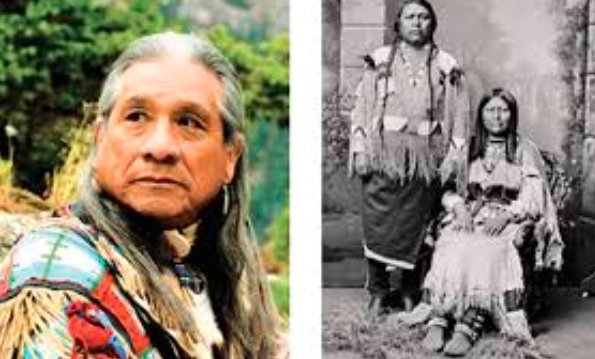
One of the standout features was the vibrant dance performances that brought tribes together on stage. Dancers from various groups, including Azteca, Hoop Dancers, and Ute Bear Dancers, performed traditional routines that highlighted their unique stories and rhythms. McCook emphasized how these gatherings are rare opportunities, as the performers travel from afar and only unite annually for this occasion.
- Hoop Dancers: Known for their skillful use of multiple hoops to create mesmerizing patterns, representing elements of nature and life cycles.
- Ute Bear Dancers: Performed with powerful movements inspired by the bear spirit, symbolizing strength and healing in Ute tradition.
- Azteca Dancers: Brought energetic routines with colorful attire, drawing from ancient Mesoamerican influences to celebrate heritage.
These shows ran multiple times each day, starting at 10 a.m., 2 p.m., and 4 p.m. on Saturday, captivating audiences and sparking conversations about cultural preservation.
Honoring Veterans and Community Volunteers
The event included a special flag ceremony on Saturday to pay tribute to Native American veterans, timed perfectly ahead of Veterans Day on November 11. McCook noted the deep patriotism in Native communities, pointing out that Indigenous people have served in every major U.S. conflict at high rates, often without full recognition. This moment underscored the event’s role in acknowledging sacrifices and keeping history alive.
Volunteers like Chuck Thompson from Cortez received shoutouts for their selfless efforts. Thompson, who helps with setup each year without pay, embodies the spirit of giving back. McCook shared that such dedication comes from the heart, strengthening ties between tribes and the broader community. This year, the ceremony drew emotional responses from attendees, reinforcing the event’s message of gratitude and unity.
Vendor Booths and Traditional Crafts
Vendors from tribes offered a wide array of handmade items, turning the convention center into a marketplace of cultural treasures. Shoppers found everything from intricate beadwork to pottery, providing a hands-on way to support Native artists. The event’s focus on authenticity ensured that each piece told a story of tradition and skill.
To give a clear overview of the offerings, here is a table summarizing key categories of crafts available:
| Craft Category | Description | Examples |
|---|---|---|
| Jewelry | Handcrafted pieces using silver, turquoise, and beads | Necklaces, earrings, bracelets |
| Pottery | Traditional designs fired in ancient styles | Bowls, vases, storytellers |
| Beadwork | Detailed embroidery on clothing and accessories | Moccasins, regalia patches |
| Gourd Art | Carved and painted natural gourds | Decorative lamps, ornaments |
| Basketry | Woven from local materials for practical use | Storage baskets, ceremonial pieces |
These items not only served as souvenirs but also educated buyers on sustainable practices rooted in Native ways of life. Sales helped fund future cultural programs, linking commerce with preservation.
Broader Impact on Cultural Preservation
In a time when Native languages and customs face challenges, events like this play a vital role in keeping traditions vibrant. McCook’s leadership has grown the market over four years, attracting more participants and visitors each time. This year’s gathering aligned with national efforts during Native American Heritage Month, which highlights contributions from the 574 federally recognized tribes across the U.S.
Recent trends show increased interest in Indigenous events, with similar festivals in Colorado drawing thousands. For instance, the Colorado Indian Market in early 2025 featured over 150 artists and emphasized education on tribal sovereignty. By blending entertainment with learning, the Western Colorado Native American Market Days helps combat stereotypes and promotes respectful dialogue. Attendees left with new connections, often sharing stories of personal growth from the experience.
The event’s success points to a growing awareness in the Grand Valley, where diverse populations seek ways to honor shared histories. As climate change and urbanization affect tribal lands, such gatherings remind everyone of the importance of cultural resilience.
What did you think of the dances or crafts at this year’s market? Share your experiences in the comments below and help spread the word by sharing this article with friends who love cultural events.