
Nearly two decades after workers unearthed a woman’s remains from a hidden well in Saskatoon, Canada, police have named her as Alice Spence, a Michigan native believed murdered over a century ago. This breakthrough came through advanced DNA testing and brings long awaited answers to a case that puzzled investigators for years.
Discovery of the Remains
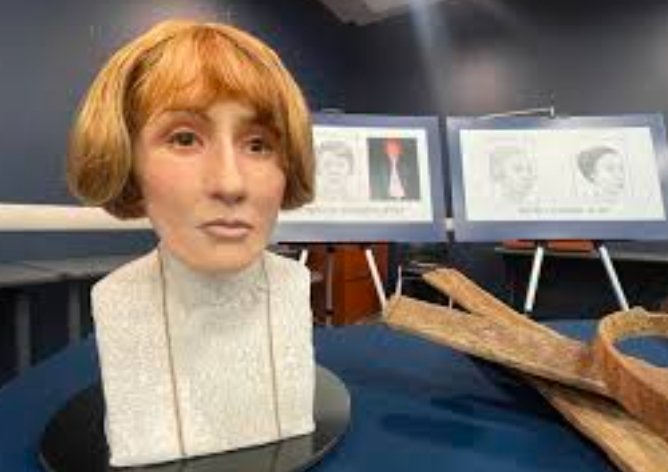
Construction crews stumbled upon the grim find on June 29, 2006, while digging up old fuel tanks at a former gas station in Saskatoon’s Sutherland area. The bones, wrapped in a burlap sack and stuffed inside a wooden barrel, had tumbled down an abandoned well shaft decades earlier.
Experts called the preservation a stroke of luck. The mix of groundwater and leaked gasoline from the site kept the body intact enough for a full autopsy. That exam pointed to foul play, with signs of trauma suggesting someone ended her life on purpose. At the time, folks in the neighborhood whispered about old secrets buried under the city streets.
Dr. Ernie Walker, an anthropologist who helped with the dig, later shared his thoughts on the odd conditions. He noted how rare it was to recover such clear evidence from remains over 100 years old. The barrel even got stuck partway down the well, thanks to a broken piece of wood, which might explain why it stayed somewhat protected.
The Tireless Investigation
For 19 years, Saskatoon police chased leads on this cold case, pulling in experts from across the region. They teamed up with the University of Saskatchewan’s archaeology department, the local coroner’s office, and even city archives to piece together clues from clothing fragments, glass items, and historical records found at the site.
Early efforts focused on dental records and missing persons files from the early 1900s, but nothing matched. The team built detailed timelines and sifted through old census data, hoping to link the woman to Saskatoon’s growing immigrant community back then. Despite setbacks, officers kept the case active, assigning fresh investigators as technology improved.
One key hurdle was the age of the evidence. Hair and teeth samples provided initial DNA profiles, but matching them proved tough without modern tools. The well’s location in a bustling neighborhood added layers, as urban growth had erased many traces of the past. Still, the determination paid off when genetic advances entered the picture.
Who Was Alice Spence?
Alice Spence, born Alice Burke in September 1881 in Negaunee, Michigan, lived a life shaped by migration and family ties. Her parents, Thomas Burke and Bridget Golden, both of Irish descent, raised her alongside siblings Sarah, John, William, and Christopher in a working class home.
In 1904, she married Charles Irvine Spence in St. Louis, Minnesota, where he had settled after coming from Scotland in 1895. Their daughter, Idella, arrived the next year, completing the young family unit. Seeking better opportunities, they moved north to Sutherland, a suburb of Saskatoon, in 1913, joining waves of settlers drawn to Canada’s prairies.
The 1916 census captured them together in their new home, a snapshot of stability. But tragedy struck soon after. A fire razed their house in 1918, and by the 1921 census, Charles lived with Idella and a housekeeper, with no sign of Alice. Police now believe she vanished and met her end between those years, dumped in the well to hide the crime.
Here are some key details from Alice’s background:
- Born: September 1881, Negaunee, Michigan
- Married: 1904 to Charles Irvine Spence
- Daughter: Idella, born 1905
- Immigration to Canada: 1913 to Sutherland, Saskatoon
- Last known record: 1916 Census
- Estimated age at death: 35 to 37
Breakthrough Through DNA Technology
The case cracked open in 2023 when Saskatoon police sent samples to Othram, a Texas based lab specializing in forensic genealogy. Working with Toronto police, they built a full DNA profile from the hair and teeth, then uploaded it to public databases to trace relatives.
This led to a family tree that pinpointed living descendants, including great granddaughter Cindy Camp. Reference DNA from these kin confirmed the match in July 2025, with the name going public on September 29. It’s hailed as Canada’s oldest cold case solved this way, outdating other successes in the province.
To illustrate the timeline of this investigation, consider the following table:
| Year | Event |
|---|---|
| 1916-1918 | Alice Spence believed murdered and body hidden in well |
| 2006 | Remains discovered during construction in Saskatoon |
| 2009 | Remains buried in unmarked grave at Woodlawn Cemetery |
| 2023 | DNA samples sent to Othram lab for advanced analysis |
| July 2025 | Identity confirmed through genetic genealogy |
| Sept 2025 | Public announcement of Alice Spence as the victim |
This methodical approach shows how science can revive forgotten stories, even after a century.
Family Reactions and Path to Closure
News of the identification hit Alice’s descendants like a thunderbolt. Cindy Camp, speaking at a press conference, described the mix of shock and relief. Her family had no oral history of Alice’s fate, so learning about the great grandmother felt surreal. Three generations gathered with old sketches, finally connecting dots across time.
One relative shared how DNA uploads on ancestry sites unexpectedly linked them to the case. They called it emotional, honoring a woman whose story faded into silence. Police noted the family’s support sped up verification, turning strangers into allies in the quest for truth.
The closure extends beyond blood ties. Saskatoon residents, who followed the mystery for years, now see it as a win for persistence. Online forums buzz with relief, and videos from local news replay the announcement, drawing viewers curious about unsolved pasts.
Lasting Impact on Cold Case Solving
This resolution highlights a shift in how police tackle ancient mysteries. Genetic genealogy has cracked dozens of cases worldwide, from missing hikers to wartime victims. In Canada, it marks a milestone, proving even 100 year old evidence can yield names and narratives.
Experts predict more breakthroughs as databases grow and costs drop. For communities like Saskatoon, it rebuilds trust in law enforcement’s ability to deliver justice, no matter the wait. Alice’s story also spotlights early 20th century immigrant struggles, tying personal loss to broader historical currents.
While police know a suspect, long gone, the focus stays on remembrance. Alice’s grave might soon get a marker, ensuring her name endures.
Share your thoughts on this incredible story in the comments below. Did it surprise you how DNA solved such an old puzzle? Pass it along to friends who love true crime tales.