
News
Fireworks Bring Hidden Battles for Veterans Living With PTSD
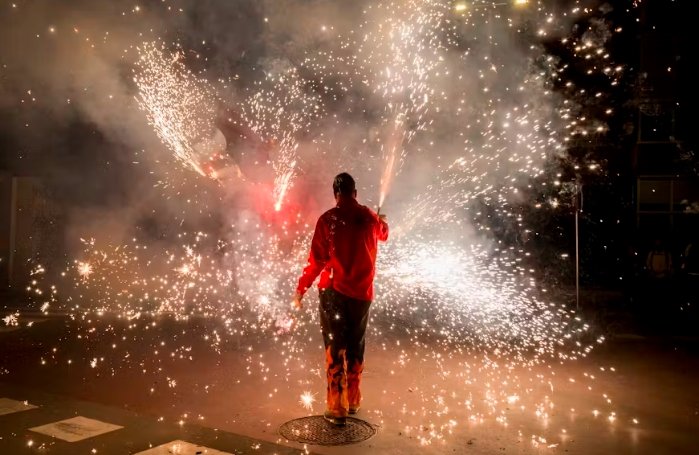
For many, the Fourth of July is a blast of color and celebration. But for veterans coping with PTSD, it can feel like being dragged back into combat all over again.
The booms and bangs that light up the night sky can trigger painful memories for those who’ve served. Local veteran advocate Alena Gillum says listening — and understanding — are the best ways to help.
When Fireworks Feel Like a Warzone
It’s easy to forget that what sounds like celebration for some sounds like chaos to others. Loud fireworks can mimic the sudden, sharp sounds of gunfire or explosions that veterans experienced in real combat.
One sentence: That’s enough to bring back nightmares in an instant.
According to the U.S. Department of Veterans Affairs, six percent of male veterans and 13 percent of female veterans live with PTSD. For them, July 4th is one of the hardest days of the year.
Talking Helps: Veterans Find Support in Each Other
Gillum, who serves as Sergeant at Arms for the local Marine Corps League, says connection is vital.
“Reach out to your battle buddies,” she says. “Call your VFW, your American Legion, your Marine Corps League. We’re all in this together.”
Sometimes just talking to someone who’s been there can ease the fear. Gillum says that’s what makes the veteran community so strong. No judgment, just understanding.
One line: Nobody gets it like someone who’s lived it.
How Families and Neighbors Can Make a Difference
Families and friends can help too. Sometimes, it’s the little things that matter most.
-
Let your veteran neighbor know when you plan to light fireworks.
-
Give them a heads up so they can prepare or choose to leave for a quieter spot.
-
Listen to their needs without dismissing their feelings.
One vet told Gillum it’s the surprise that makes it worse — an unexpected boom can feel like an attack.
Beyond Fireworks: PTSD’s Everyday Toll
It’s not just one night a year. PTSD can creep in at any time — loud noises, crowds, even certain smells. For some, sleep is impossible. For others, anger or anxiety lurks under the surface.
The stats from the VA are just the tip of the iceberg. Many veterans never come forward or get a diagnosis. They tough it out alone.
Here’s a snapshot of the reality:
| Group | PTSD Rate |
|---|---|
| Male Veterans | 6% |
| Female Veterans | 13% |
| General U.S. Population | 3.6% |
One glance shows why fireworks season is more than just a nuisance for some.
Building a Safer Space for Those Who Served
Gillum says the solution isn’t to cancel the fireworks. It’s about balance.
Veterans’ groups offer safe places to talk, share a meal, or just sit together. That sense of brotherhood — or sisterhood — can make all the difference.
She encourages veterans to lean on these groups, especially when triggers feel too big to handle alone.
“There are veterans there that are going through the same thing you’re going through,” she says. “Talk to a comrade. They get it.”












Spotify Running Mode hits Android and revives its old tempo experiment

Galaxy Tab S12 Ultra Renders Keep the Notch Fans Hate

Novato Spinning Round House Sells With Six Neighbors for $3.3 Million

Crop Tour Finds Indiana and Nebraska Corn Yields Lagging 2025

Best Buy 60th sale brings Android deals back to its roots

American Airlines reverses seatback screen bet years too late

Iran Hormuz Strikes Force Gulf Oil Onto Costlier Paths

Plague Tale Prequel Day One Joins Game Pass Wave 2 as Witcher Exits

NBA 2K27 opens The City to everyone and rewrites career eras

iOS 26.6.1 Patches 29 Flaws as AI Forces Faster Apple Updates

Double Fine Cuts 23 Jobs Weeks After Xbox Independence

Day-One Big Walk Lifts PS Plus August Beyond Recycled AAA

John Hight Exits Wizards After Digital Reckoning Hits

Curtis Mead’s Red Sox Debut Ends With Fractured Wrist

Moesch and Dressel Rewrite Night One at 2026 U.S. Nationals

Red Sox Squander Hot Streak Chance in 4-3 Loss to Athletics

Boutte’s Quiet Camp Takeover Forces Patriots Receiver Choices

Take-Two CEO Pushes Netflix Subs for GTA 6 Extended Look

Halo Campaign Evolved Skulls Meet Death Barriers That Kill the Hunt

Wildlands Free Update Hands Players the Tools They Already Invented
-

 TECHNOLOGY3 years ago
How to Adjust a Bulova Watch Band – An Easy Guide
-

 News3 years ago
Fred Pentland: Athletic Bilbao’s English mentor who changed the essence of Spanish football
-

 FINANCE3 years ago
Tax Planning for Every Season: Guide to Maximizing Your Tax Benefits
-

 Education3 years ago
African Ministers New Education Plan
-

 BUSINESS3 years ago
What is Entrepreneurial Operating System? A Comprehensive Guide to EOS
-

 Education3 years ago
Innovate Your Learning Journey with Technology and Enhance Education
-

 News3 years ago
Russians formally out of World Athletics Championships
-

 BUSINESS3 years ago
Top 9 Most Expensive American Cities to Rent an Apartment