
News
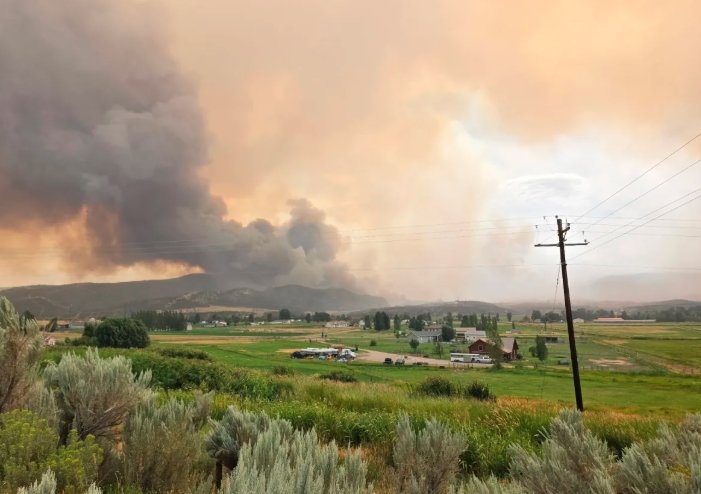
Smoke Hangs Over Western Colorado as Lee Fire Surges Past 116,000 Acres

The Lee Fire in Rio Blanco County has exploded in size, fueled by relentless winds, scorching heat, and bone-dry conditions — leaving residents bracing for heavy smoke through the week.
Containment Slips as Fire Expands
Firefighters are facing a stubborn blaze that refuses to slow down. As of late Monday evening, the Lee Fire had scorched 116,859 acres, with containment slipping to just 6%.
Rio Blanco County officials confirmed that the sudden jump in acreage erased hard-earned gains from earlier in the week. The change in wind direction — swinging from the southwest to the southeast over the weekend — offered temporary relief to the town of Meeker. But that brief shield may vanish by midweek.
“We’re going to see some smoke,” said Ben Sanders of the Rocky Mountain Incident Management Team 3. “Meeker should see a little bit more smoke impact, whereas Rifle and the I-70 corridor shouldn’t see as much.”
A Brutal Mix of Heat, Wind, and Drought
Triple-digit temperatures aren’t just uncomfortable — they’re dangerous. Combined with intense winds and low fuel moisture, they create what Sanders called “the perfect storm” for wildfire spread.
One sentence was enough to sum up the problem: “We’re in a drought.”
Across much of western Colorado, vegetation is tinder-dry. When wind gusts sweep across open range, flames can jump natural barriers and race into new territory in minutes. And in a year where weather extremes have been frequent, the outlook for firefighters remains challenging.
Around-the-Clock Firefighting Efforts
The fight against the Lee Fire is a nonstop operation. More than 1,200 firefighters from across the country are working in shifts — day, swing, and night — to keep crews on the line at all times.
“We’re trying to keep ahead of it,” Sanders said, explaining how strategic planning plays a big role in every move crews make. Firefighters are using both direct tactics, like cutting containment lines right along the fire’s edge, and indirect tactics, which involve preparing firebreaks well ahead of the flames.
They’re leaning on natural and manmade features to give them an edge — train tracks, rivers, roads, and bridges can all serve as barriers. Still, those features only work if weather conditions don’t push embers beyond them.
Where Smoke Will Hit Hardest
Not every community is seeing the same impact, but the coming days will bring shifts in air quality. Sanders’ forecast points to heavier smoke over Meeker as winds change direction again by Wednesday. Rifle and towns along the I-70 corridor may get some relief, though conditions can turn quickly.
For residents, smoke means more than hazy skies. Health experts warn that prolonged exposure can aggravate respiratory issues, especially for children, older adults, and those with asthma or heart conditions. Some of the key precautions people are taking include:
-
Staying indoors during peak smoke hours
-
Using air purifiers or keeping windows shut
-
Wearing N95 masks outdoors if sensitive to smoke
-
Limiting strenuous outdoor activities
Weather and Fire Behavior Outlook
Here’s a breakdown of what fire managers and meteorologists are expecting in the near term:
| Date | Expected Wind Direction | Smoke Impact | Temperature | Containment Outlook |
|---|---|---|---|---|
| Aug 12 | Southeast | Low for Meeker, Moderate for Rifle | 101°F | Unchanged |
| Aug 13 | Southwest | High for Meeker, Low for Rifle | 99°F | Possible slow progress |
| Aug 14 | Variable | High for both areas | 102°F | Difficult |
| Aug 15 | Northwest | Low for Meeker, Moderate for Rifle | 97°F | Some opportunities |
This forecast is subject to change — and often does — but it helps both crews and communities prepare for shifting hazards.
Protecting Property and Infrastructure
Sanders noted that firefighting priorities are centered around protecting “values” — a term crews use for homes, power lines, water systems, and other vital infrastructure. Once those areas are secured, resources can be shifted to more remote sections of the fire.
In the short term, residents should expect a heavy presence of firefighters and equipment in key areas. That visibility may taper off in the coming weeks if crews succeed in pushing the fire away from populated zones.
A Long Season Ahead
While officials are hopeful for cooler nights and possible moisture later in the month, no one is pretending the fire season is anywhere near over. The Lee Fire is just one of several large blazes burning across the American West this summer, part of a pattern driven by persistent drought and intense heat waves.
Sanders’ message to the public was clear — stay alert, stay informed, and understand that even as crews make progress, smoke will likely linger. And for the next couple of weeks at least, Western Colorado will be living with the haze.








Spotify Running Mode hits Android and revives its old tempo experiment

Galaxy Tab S12 Ultra Renders Keep the Notch Fans Hate

Novato Spinning Round House Sells With Six Neighbors for $3.3 Million

Crop Tour Finds Indiana and Nebraska Corn Yields Lagging 2025

Best Buy 60th sale brings Android deals back to its roots

American Airlines reverses seatback screen bet years too late

Iran Hormuz Strikes Force Gulf Oil Onto Costlier Paths

Plague Tale Prequel Day One Joins Game Pass Wave 2 as Witcher Exits

NBA 2K27 opens The City to everyone and rewrites career eras

iOS 26.6.1 Patches 29 Flaws as AI Forces Faster Apple Updates

Double Fine Cuts 23 Jobs Weeks After Xbox Independence

Day-One Big Walk Lifts PS Plus August Beyond Recycled AAA

John Hight Exits Wizards After Digital Reckoning Hits

Curtis Mead’s Red Sox Debut Ends With Fractured Wrist

Moesch and Dressel Rewrite Night One at 2026 U.S. Nationals

Red Sox Squander Hot Streak Chance in 4-3 Loss to Athletics

Boutte’s Quiet Camp Takeover Forces Patriots Receiver Choices

Take-Two CEO Pushes Netflix Subs for GTA 6 Extended Look

Halo Campaign Evolved Skulls Meet Death Barriers That Kill the Hunt

Wildlands Free Update Hands Players the Tools They Already Invented
-

 TECHNOLOGY3 years ago
How to Adjust a Bulova Watch Band – An Easy Guide
-

 News3 years ago
Fred Pentland: Athletic Bilbao’s English mentor who changed the essence of Spanish football
-

 FINANCE3 years ago
Tax Planning for Every Season: Guide to Maximizing Your Tax Benefits
-

 Education3 years ago
African Ministers New Education Plan
-

 BUSINESS3 years ago
What is Entrepreneurial Operating System? A Comprehensive Guide to EOS
-

 Education3 years ago
Innovate Your Learning Journey with Technology and Enhance Education
-

 News3 years ago
Russians formally out of World Athletics Championships
-

 BUSINESS3 years ago
Top 9 Most Expensive American Cities to Rent an Apartment