
News
AI Shows Leopards Ate Early Human Ancestors

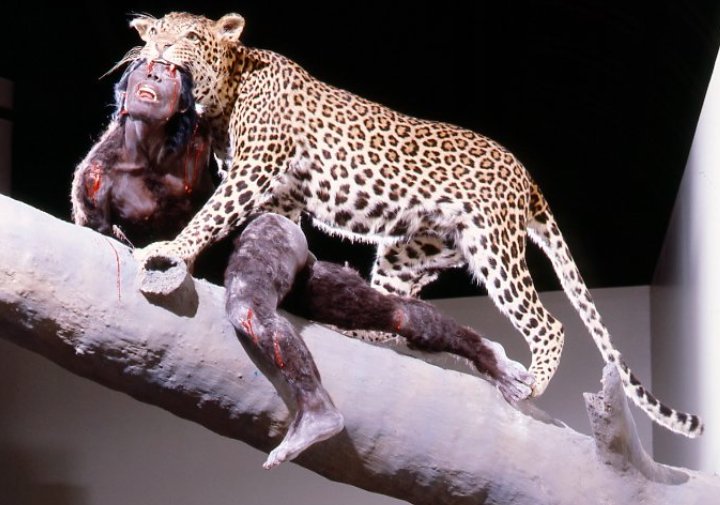
Researchers in Tanzania used artificial intelligence to study old bones of our early relatives. They found that leopards killed and ate two Homo habilis people about 1.8 million years ago at Olduvai Gorge.
The Start of a Big Find
Teams first dug up these bones in the 1960s. The site sits in a dry valley full of ancient clues about human history. One bone came from a young Homo habilis, while the other belonged to an adult. Both showed clear bite marks from some big animal.
Experts puzzled over these marks for years. They knew a carnivore had attacked, but could not say which one. The bones had deep tooth pits and scratches that hinted at a fierce fight. This discovery came from a spot known for early tool use and animal kills.
Now, new tech has changed everything. Scientists trained computer programs to look at bone damage up close. These programs learned from marks left by modern animals like lions and hyenas.
AI Cracks the Predator Code
A team led by anthropologist Manuel Domínguez-Rodrigo from Rice University built smart models. They fed the AI images of bites from different predators. The goal was to spot patterns that match real attacks.
The models reached over 90 percent accuracy in tests. They could tell leopard bites from those of wolves or crocodiles. When applied to the Homo habilis bones, the results pointed straight to leopards.
Leopards leave triangular tooth pits. These match the shapes on the fossils perfectly. The AI even noted how the bites focused on faces and jaws. This suggests the big cats grabbed their prey by the head.
One fossil, a jawbone from the young one, had two deep marks. The adult skull showed similar damage. Both cases fit the leopard style, not scavenging by other animals.
Here are key details from the AI analysis:
- Tooth pit shapes: Triangular, matching leopard canines.
- Bite force: Medium strength, enough to crush but not shatter bones.
- Location of marks: Mostly on skulls and faces, a leopard hunting tactic.
- Confidence level: Over 90 percent for both fossils.
What We Learn About Early Humans
Homo habilis lived from 2.4 to 1.4 million years ago. People once thought they were the first to hunt big game and use stone tools. This made them shift from prey to hunters.
But this study flips that idea. The two victims show Homo habilis still faced big risks from wild cats. They likely hid in trees or ran from danger, much like earlier apes.
Experts now point to Homo erectus as the real game changer. This later species had bigger brains and better tools. They appeared around the same time and could fight back against predators.
The findings tie into other recent digs. For example, sites in Ethiopia show early humans avoided open plains where leopards roamed. This helps explain why our ancestors stayed small and tree-dwelling longer.
To compare early human species and their risks:
| Species | Time Period (Million Years Ago) | Main Threats | Key Adaptations |
|---|---|---|---|
| Australopithecus | 4 to 2 | Leopards, hyenas | Tree climbing |
| Homo habilis | 2.4 to 1.4 | Leopards, big cats | Basic stone tools |
| Homo erectus | 2 to 0.1 | Fewer predators, more hunting | Fire use, group defense |
This table shows how dangers changed over time. It highlights the slow rise in human power.
Why This Matters Today
These results reshape how we see human roots. Early Homo habilis acted more like prey than bosses of the wild. This means the jump to top predator took longer than books once said.
The study also shows AI’s power in science. Old bones get new stories through tech. Future work could scan more fossils and reveal hidden pasts.
Leopards still hunt in Africa today. Modern efforts protect them and humans from clashes. Understanding old attacks reminds us of nature’s balance.
Experts plan more AI tests on other sites. This could link to climate changes that pushed early humans to adapt.
Share your thoughts on this wild history in the comments. Did you know our ancestors faced such dangers? Pass this article to friends who love science facts.













Spotify Running Mode hits Android and revives its old tempo experiment

Galaxy Tab S12 Ultra Renders Keep the Notch Fans Hate

Novato Spinning Round House Sells With Six Neighbors for $3.3 Million

Crop Tour Finds Indiana and Nebraska Corn Yields Lagging 2025

Best Buy 60th sale brings Android deals back to its roots

American Airlines reverses seatback screen bet years too late

Iran Hormuz Strikes Force Gulf Oil Onto Costlier Paths

Plague Tale Prequel Day One Joins Game Pass Wave 2 as Witcher Exits

NBA 2K27 opens The City to everyone and rewrites career eras

iOS 26.6.1 Patches 29 Flaws as AI Forces Faster Apple Updates

Caitlin Clark Skips the WNBA 3-Point Contest for a Third Straight Year

Rainout Gives Red Sox Two Shots at a Franchise-Record Win Streak

Double Fine Cuts 23 Jobs Weeks After Xbox Independence

Day-One Big Walk Lifts PS Plus August Beyond Recycled AAA

John Hight Exits Wizards After Digital Reckoning Hits

Curtis Mead’s Red Sox Debut Ends With Fractured Wrist

Moesch and Dressel Rewrite Night One at 2026 U.S. Nationals

Red Sox Squander Hot Streak Chance in 4-3 Loss to Athletics

Boutte’s Quiet Camp Takeover Forces Patriots Receiver Choices

Take-Two CEO Pushes Netflix Subs for GTA 6 Extended Look
-

 TECHNOLOGY3 years ago
How to Adjust a Bulova Watch Band – An Easy Guide
-

 News3 years ago
Fred Pentland: Athletic Bilbao’s English mentor who changed the essence of Spanish football
-

 FINANCE3 years ago
Tax Planning for Every Season: Guide to Maximizing Your Tax Benefits
-

 Education3 years ago
African Ministers New Education Plan
-

 BUSINESS3 years ago
What is Entrepreneurial Operating System? A Comprehensive Guide to EOS
-

 Education3 years ago
Innovate Your Learning Journey with Technology and Enhance Education
-

 News3 years ago
Russians formally out of World Athletics Championships
-

 BUSINESS3 years ago
Top 9 Most Expensive American Cities to Rent an Apartment