
News
Fort Wayne Roundtable Tackles SB 1 Tax Impacts

Local leaders from across northeast Indiana gathered in Fort Wayne on Friday to discuss the far reaching effects of Indiana Senate Bill 1. The event hosted by Accelerate Indiana Municipalities focused on how the new property tax law strains budgets for cities towns and schools while aiming to ease homeowner burdens.
Understanding Senate Bill 1
Indiana Senate Bill 1 signed into law by Governor Mike Braun in April represents a major shift in the states property tax system. Lawmakers pushed the bill to provide relief for most homeowners by expanding deductions and capping future tax growth. This reform comes at a time when rising property values have driven up tax bills across Hoosier communities.
The bill introduces several changes to balance relief with fiscal responsibility. It boosts the supplemental homestead deduction for primary residences and phases out taxes on business personal property over time. These moves aim to make Indiana more competitive for businesses and affordable for families. However supporters and critics alike note that the changes took effect after intense debates in the Statehouse where concerns about local funding dominated talks.
One key aspect involves local income taxes which the bill restructures to help offset some losses. Cities and towns can now set their own rates up to certain limits to maintain services. Still many officials worry these adjustments fall short of whats needed to keep essential operations running smoothly.
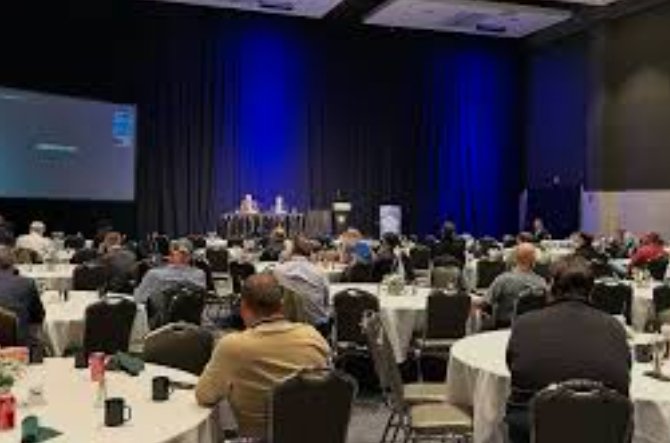
Voices from the Fort Wayne Roundtable
Elected officials shared their experiences during the roundtable highlighting real world challenges from SB 1. Leaders from places like Auburn Angola and Columbia City pointed out how the law creates budget shortfalls that hit small towns hardest. They stressed the need for more state support to avoid cuts in public safety and infrastructure.
Fort Wayne Mayor Sharon Tucker joined the conversation emphasizing the citys role as a hub for northeast Indiana. She noted that while some residents see lower bills the overall revenue drop affects everyone through reduced services. Other mayors echoed this view saying the bill overlooks the diverse needs of rural and urban areas alike.
The discussion also featured clerks and council members who handle day to day finances. They described scrambling to find new revenue streams amid the uncertainty. Ryan Daniel mayor of Columbia City and incoming AIM president called for a more even handed approach to ensure communities can attract jobs and families.
Financial Strain on Local Governments and Schools
SB 1 promises tax savings for two thirds of homeowners but it delivers a heavy blow to local entities. Estimates show losses exceeding 2 billion dollars over the next three years with schools facing around 744 million in reduced funding. This shortfall forces tough choices like delaying road repairs or trimming school programs which directly impact quality of life.
Communities in manufacturing heavy areas stand to lose even more as business property taxes phase out. Cities such as Fort Wayne and Elkhart could see long term revenue dips if companies accelerate equipment upgrades to dodge taxes. Local leaders argue this unintended effect widens the gap between urban centers and smaller towns already tight on budgets.
To illustrate the projected impacts here is a table outlining estimated revenue losses for key sectors based on recent analyses.
| Year | Local Governments Loss | Schools Loss | Total Estimated Loss |
|---|---|---|---|
| 2026 | $600 million | $250 million | $850 million |
| 2027 | $700 million | $250 million | $950 million |
| 2028 | $800 million | $244 million | $1.044 billion |
These figures highlight the growing pressure as the bills provisions fully take hold. Rural districts may struggle most since they lack the tax base to recover quickly through income tax hikes.
Key Provisions of SB 1 Explained
The bill includes several core elements designed to reshape taxation in Indiana. Here are some highlights in bullet form for clarity.
- Expanded homestead deduction up to 52 percent of assessed value by 2028 providing direct savings for owner occupied homes.
- Cap on annual property tax increases at 2 percent for seniors and others to prevent sharp rises from value growth.
- Gradual elimination of business personal property taxes starting with a higher exemption threshold to encourage investment.
- Restructured local income taxes allowing cities over 3500 residents to impose rates up to 1.2 percent for revenue stability.
- Sharing of referendum funds with charter schools from 2027 onward to promote equity in education funding.
These provisions aim to foster economic growth but critics say they shift too much burden to non property sources. Recent events like referendums in counties such as Hamilton show communities already seeking ways to plug gaps.
Calls for Reform and Future Recommendations
Roundtable participants urged lawmakers to revisit SB 1 in the 2026 session with targeted fixes. AIM presented ideas like additional state aid and streamlined income tax options to ease the transition. Officials believe partnering with the legislature could create a win win for taxpayers and services.
This Fort Wayne event marks one of ten similar gatherings statewide building momentum for change. Similar discussions in places like Mishawaka and Schererville have drawn attention to shared struggles. Experts predict these voices will influence upcoming budget talks especially as Indiana faces economic shifts from manufacturing to tech sectors.
Broader context ties into national trends where states grapple with tax relief amid inflation. Indiana’s approach draws from models in other Midwest states but local feedback suggests tweaks for better balance. As communities adapt leaders stress transparency to build public trust.
In wrapping up readers should share their thoughts on how SB 1 affects their area and comment below on potential solutions. Your input helps shape the conversation for stronger Hoosier communities.









Spotify Running Mode hits Android and revives its old tempo experiment

Galaxy Tab S12 Ultra Renders Keep the Notch Fans Hate

Novato Spinning Round House Sells With Six Neighbors for $3.3 Million

Crop Tour Finds Indiana and Nebraska Corn Yields Lagging 2025

Best Buy 60th sale brings Android deals back to its roots

American Airlines reverses seatback screen bet years too late

Iran Hormuz Strikes Force Gulf Oil Onto Costlier Paths

Plague Tale Prequel Day One Joins Game Pass Wave 2 as Witcher Exits

NBA 2K27 opens The City to everyone and rewrites career eras

iOS 26.6.1 Patches 29 Flaws as AI Forces Faster Apple Updates

Double Fine Cuts 23 Jobs Weeks After Xbox Independence

John Hight Exits Wizards After Digital Reckoning Hits

Day-One Big Walk Lifts PS Plus August Beyond Recycled AAA

Curtis Mead’s Red Sox Debut Ends With Fractured Wrist

Red Sox Squander Hot Streak Chance in 4-3 Loss to Athletics

Moesch and Dressel Rewrite Night One at 2026 U.S. Nationals

Boutte’s Quiet Camp Takeover Forces Patriots Receiver Choices

Take-Two CEO Pushes Netflix Subs for GTA 6 Extended Look

Halo Campaign Evolved Skulls Meet Death Barriers That Kill the Hunt

Wildlands Free Update Hands Players the Tools They Already Invented
-

 TECHNOLOGY3 years ago
How to Adjust a Bulova Watch Band – An Easy Guide
-

 News3 years ago
Fred Pentland: Athletic Bilbao’s English mentor who changed the essence of Spanish football
-

 FINANCE3 years ago
Tax Planning for Every Season: Guide to Maximizing Your Tax Benefits
-

 Education3 years ago
African Ministers New Education Plan
-

 BUSINESS3 years ago
What is Entrepreneurial Operating System? A Comprehensive Guide to EOS
-

 Education3 years ago
Innovate Your Learning Journey with Technology and Enhance Education
-

 BUSINESS3 years ago
Top 9 Most Expensive American Cities to Rent an Apartment
-

 News3 years ago
Russians formally out of World Athletics Championships