
News
Indiana SNAP Benefits Restored After Shutdown

The Indiana Family and Social Services Administration restored full SNAP benefits for over 500,000 Hoosiers on November 16, 2025, right after the federal government shutdown ended. This move ends weeks of uncertainty for families relying on food assistance during the longest shutdown in U.S. history, which started on October 1 and wrapped up on November 12.
Families across Indiana faced tough choices as partial benefits rolled out earlier in the month, but now everyone eligible gets the complete amount on their EBT cards. The shutdown hit hard, delaying payments and straining local food banks, but quick action from state leaders brought relief just in time for the holidays.
Shutdown’s Impact on Indiana Families
The government shutdown created big problems for SNAP, the program that helps low-income families buy groceries. In Indiana, about 571,000 people depend on these benefits each month to put food on the table. When funding stopped on October 31, families had to stretch what little they had or turn to emergency help.
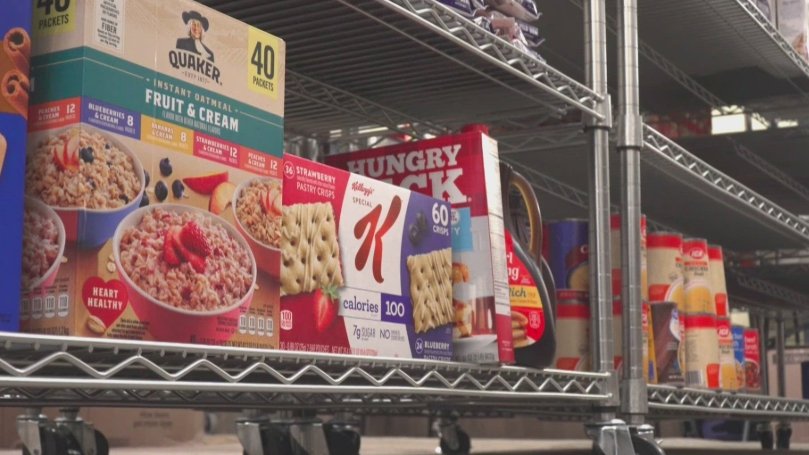
Schools in areas like Perry Township stepped up with extra food pantries, knowing that around 260,000 kids in the state rely on SNAP. Nonprofits saw a spike in demand, with groups like Gleaners Food Bank warning that the delay was just a taste of worse cuts down the road. One mother in Indianapolis shared how she skipped meals to feed her children, highlighting the real pain behind the numbers.
Local leaders pushed for solutions, but federal gridlock meant partial benefits only at first. This reduced amounts by up to 50 percent for some households, based on new formulas from the USDA. The delay added stress, especially for working families already hit by rising grocery prices this year.
Full Benefits Roll Out Details
Indiana FSSA moved fast once the shutdown ended. Full SNAP payments hit EBT cards starting November 16, covering everyone whose regular date had passed. This includes the extra funds to make up for any shortfalls from partial issuances on November 11.
The state recalculated benefits for all 274,000 SNAP households to ensure fairness. Gov. Mike Braun noted that Indiana was ready to distribute once funding returned, avoiding longer waits seen in other states. Recipients should check their cards now and contact FSSA if issues arise.
To help families track this, here is a simple timeline of key events:
| Date | Event |
|---|---|
| October 1, 2025 | Government shutdown begins, SNAP funding at risk. |
| October 31, 2025 | SNAP funds run out for November. |
| November 5, 2025 | Guidance updates reduce allotments to 35 percent. |
| November 10, 2025 | Partial benefits announced for November 11. |
| November 12, 2025 | Shutdown ends with congressional vote. |
| November 13, 2025 | USDA reverses to full benefits. |
| November 16, 2025 | Full SNAP payments available on EBT cards. |
This table shows how quickly things changed, giving hope to those affected.
Support Resources for Hoosiers in Need
While benefits return, some families still need extra help right away. Food banks across Indiana ramped up efforts during the shutdown, and many continue to offer free meals and groceries. Call 211 for local options, or visit sites like Feeding Indiana’s Hungry for maps of pantries.
Here are key resources to ease the burden:
- Local food banks: Gleaners, Food Finders, and Hoosier Hills provide emergency boxes.
- School programs: Many districts offer free lunches beyond the school year.
- Hotlines: Double Up Food Bucks at 866-586-2796 matches SNAP for fresh produce.
- Community funds: Donations poured in, like $100,000 to Hamilton County Harvest Food Bank.
These steps show how communities pulled together, much like during past crises such as the 2023 floods that also strained food supplies. Experts say building these networks now prevents bigger problems later.
Broader Lessons from the Shutdown
This event spotlights the fragility of programs like SNAP amid political fights. The shutdown cost the economy billions and hurt vulnerable groups, from seniors to single parents. In Indiana, it echoed national debates over federal spending, with calls for more stable funding to avoid future delays.
Looking back, similar issues arose in 2019, but this time courts stepped in early to protect benefits. Lawmakers now face pressure to reform how shutdowns impact essentials. For Hoosiers, the quick restoration proves state agencies can act decisively when needed.
As we move forward, staying informed helps everyone. Share your experiences in the comments below and spread the word to friends who might need this update.









Spotify Running Mode hits Android and revives its old tempo experiment

Galaxy Tab S12 Ultra Renders Keep the Notch Fans Hate

Novato Spinning Round House Sells With Six Neighbors for $3.3 Million

Crop Tour Finds Indiana and Nebraska Corn Yields Lagging 2025

Best Buy 60th sale brings Android deals back to its roots

American Airlines reverses seatback screen bet years too late

Iran Hormuz Strikes Force Gulf Oil Onto Costlier Paths

Plague Tale Prequel Day One Joins Game Pass Wave 2 as Witcher Exits

NBA 2K27 opens The City to everyone and rewrites career eras

iOS 26.6.1 Patches 29 Flaws as AI Forces Faster Apple Updates

Double Fine Cuts 23 Jobs Weeks After Xbox Independence

Day-One Big Walk Lifts PS Plus August Beyond Recycled AAA

John Hight Exits Wizards After Digital Reckoning Hits

Curtis Mead’s Red Sox Debut Ends With Fractured Wrist

Moesch and Dressel Rewrite Night One at 2026 U.S. Nationals

Red Sox Squander Hot Streak Chance in 4-3 Loss to Athletics

Boutte’s Quiet Camp Takeover Forces Patriots Receiver Choices

Take-Two CEO Pushes Netflix Subs for GTA 6 Extended Look

Halo Campaign Evolved Skulls Meet Death Barriers That Kill the Hunt

Wildlands Free Update Hands Players the Tools They Already Invented
-

 TECHNOLOGY3 years ago
How to Adjust a Bulova Watch Band – An Easy Guide
-

 News3 years ago
Fred Pentland: Athletic Bilbao’s English mentor who changed the essence of Spanish football
-

 FINANCE3 years ago
Tax Planning for Every Season: Guide to Maximizing Your Tax Benefits
-

 Education3 years ago
African Ministers New Education Plan
-

 BUSINESS3 years ago
What is Entrepreneurial Operating System? A Comprehensive Guide to EOS
-

 Education3 years ago
Innovate Your Learning Journey with Technology and Enhance Education
-

 News3 years ago
Russians formally out of World Athletics Championships
-

 BUSINESS3 years ago
Top 9 Most Expensive American Cities to Rent an Apartment