
News
Grand Junction Commercial Market Booms 36% in 2025

Grand Junction’s commercial real estate sector is experiencing robust growth this year, with a new report highlighting a 36 percent rise in unit sales compared to 2024. Local experts attribute this surge to strong business interest and expanding opportunities in the region, signaling a bright future for the area’s economy.
Key Findings from the Latest Report
The Commercial Report for Quarter 3 of 2025, released by Bray Real Estate, paints a positive picture of the market. It notes that 151 commercial units have closed so far this year, marking significant progress over previous periods. This increase reflects growing confidence among investors and businesses looking to establish or expand in Grand Junction.
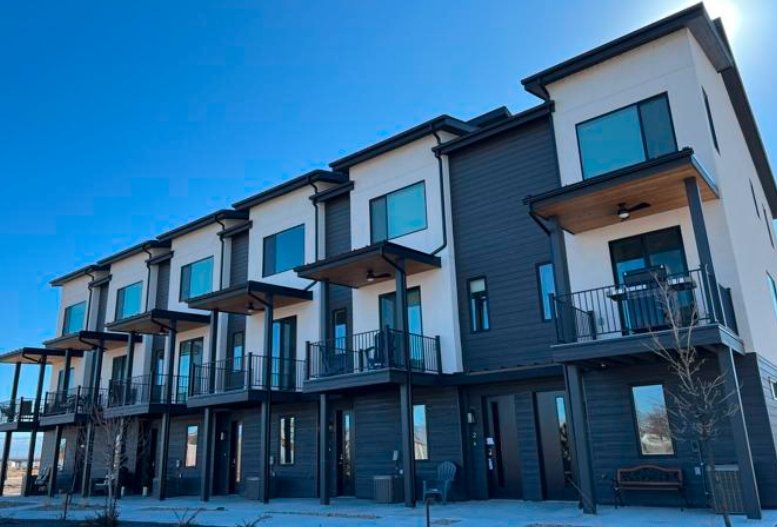
Building activity is also on the rise, with permits jumping 23 percent from last year. Officials issued 32 permits in 2025, pointing to more construction projects underway. These developments include retail spaces, office buildings, and industrial sites that cater to diverse business needs.
The report breaks down sales by category to show where the action is hottest:
- Retail properties led with 45 percent of total closings, driven by demand for storefronts in high-traffic areas.
- Office spaces accounted for 30 percent, as remote work trends stabilize and hybrid models take hold.
- Industrial units made up 25 percent, fueled by logistics and manufacturing expansions near major highways.
This data underscores how Grand Junction’s commercial real estate market is adapting to broader economic shifts, including population growth and tourism recovery in western Colorado.
Insights from Industry Experts
Matthew Parker, a seasoned commercial broker in the area, shared his views on the market’s momentum. He pointed out that each quarter has shown a slight uptick in activity, despite some hurdles. Parker’s optimism stems from the influx of larger national chains setting up shop locally, which he sees as a catalyst for further development.
Parker explained that businesses remain eager to invest here because of the region’s affordable costs and strategic location. He highlighted how recent arrivals of big-name retailers have sparked interest from smaller enterprises too. This chain reaction could lead to more job creation and sustained economic health.
In related news, similar growth patterns appear in nearby Colorado markets like Denver, where retail lease rates are climbing but availability lags behind Grand Junction’s offerings. Local leaders note that these trends align with statewide increases in commercial transactions, up about 4 percent year-over-year in the first half of 2025.
Challenges Facing the Market
Even with the positive numbers, the sector faces real obstacles. Higher construction costs have risen by around 10 percent this year due to material shortages and inflation pressures. Labor shortages in skilled trades add another layer, slowing some projects and raising expenses for developers.
Experts like Parker acknowledge these issues but argue they won’t derail progress. For instance, adaptive reuse of existing buildings is gaining traction as a cost-effective alternative to new builds. This approach turns old warehouses into modern offices or retail hubs, preserving resources while meeting demand.
To illustrate the cost landscape, consider this comparison of key expenses:
| Expense Category | 2024 Average Cost | 2025 Average Cost | Percent Change |
|---|---|---|---|
| Construction Materials | $150 per sq ft | $165 per sq ft | +10% |
| Labor (Skilled Trades) | $45 per hour | $50 per hour | +11% |
| Permitting Fees | $5,000 per project | $5,200 per project | +4% |
| Site Preparation | $20,000 average | $22,000 average | +10% |
These figures highlight the need for smart planning, but they also show that returns on investment remain attractive in a growing market like Grand Junction’s.
Future Projections and Local Impact
Looking ahead, projections indicate the market will stay healthy through the end of 2025 and into 2026. Parker forecasts continued interest from out-of-state businesses, potentially boosting job numbers by thousands in the coming years. This could help keep growth steady and attract more residents to the area.
The ripple effects extend beyond real estate. More commercial developments mean enhanced infrastructure, like improved roads and utilities, benefiting the whole community. Recent events, such as the opening of new chain stores along Highway 50, demonstrate how these investments tie into tourism and local commerce.
For businesses eyeing expansion, now is a prime time to explore opportunities. The blend of steady sales and permit increases suggests room for innovation in sectors like e-commerce fulfillment and eco-friendly retail.
Broader Economic Ties
Grand Junction’s commercial boom connects to larger Colorado trends, where the state’s real estate market shows resilience amid national challenges. While office vacancies hover around 20 percent nationwide, local demand for flexible spaces keeps the area competitive. This positions Grand Junction as an emerging hub for investors seeking stable returns.
Community discussions online echo this sentiment, with residents noting how new businesses enhance daily life and create employment. Tied to recent population gains of about 2 percent annually, the market’s growth supports a vibrant local economy.
In summary, the steady rise in commercial real estate activity offers practical benefits for everyone from entrepreneurs to families. Share your thoughts on this growth in the comments below and spread the word if you see potential here too.










Redmi Battery Monsters Win the Week as Samsung Trims S27 Cameras

Moto G Max India Bet Puts 7000mAh Battery Ahead of Specs

Take-Two CEO Pushes Netflix Subs for GTA 6 Extended Look

Google Bets Tensor G6 Efficiency Fixes Pixel’s Old Flaws

Grok Image 2.0 Adds Pro Edits While Scandals Linger

Caviar Leather iPhone 18 Pro Editions Kill Wireless Charging for Status

Quordle Monday Delivers Gavel Crush Speed Ethos Cleanly

Goldmund Telos 9800 Mono Amp Costs More Than Most Ferraris

Gemini Plan Dropped the Race and Made Running Stick

Cloudflare Kitesurf Cracks Chromium Moat for AI Agents

SpaceX Preps Starship Flight 13 to Fix Its Booster Failure

PS5 Adds a Weekly Wrap-Up Widget While Recently Played Stays Broken

Tears of the Kingdom Fans Trap Ganondorf in a Never-Ending Hamster Wheel

ZA/UM Lays Off 32 Staff as Zero Parades Wins Reviews, Not Players

EA’s New In-Game Ad Platform Skips the Games That Need It Most

Wall Street’s SpaceX and Merger Fee Boom Comes With a Catch

Colorado’s New Law Makes Automakers Own Dead EV Batteries

Pentagon Suspends CMMC Phase 2, Relieving Small Firms, Straining Assessors

Mortgage Rates Climb to 6.55%, the Highest Level in Nearly a Year

Perseid Meteor Shower Begins This Week Under a Rare Earthshine Moon
-

 TECHNOLOGY3 years ago
How to Adjust a Bulova Watch Band – An Easy Guide
-

 News3 years ago
Fred Pentland: Athletic Bilbao’s English mentor who changed the essence of Spanish football
-

 FINANCE3 years ago
Tax Planning for Every Season: Guide to Maximizing Your Tax Benefits
-

 Education3 years ago
African Ministers New Education Plan
-

 BUSINESS3 years ago
What is Entrepreneurial Operating System? A Comprehensive Guide to EOS
-

 Education3 years ago
Innovate Your Learning Journey with Technology and Enhance Education
-

 News3 years ago
Russians formally out of World Athletics Championships
-

 BUSINESS3 years ago
Top 9 Most Expensive American Cities to Rent an Apartment