
News
Colorado Mandates Low-Emission Furnaces and Water Heaters

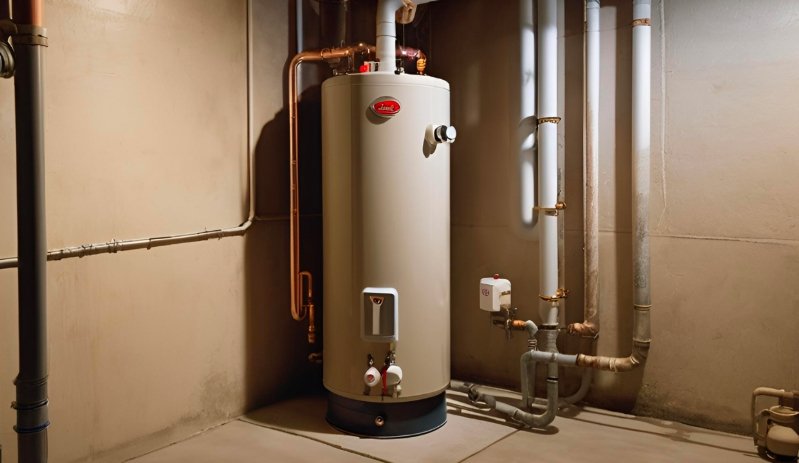
Colorado is set to enforce new rules on home appliances to cut pollution and save energy. Starting January 1, 2026, all new gas furnaces and water heaters sold in the state must meet strict low-emission standards, aiming to reduce harmful nitrogen oxide gases that contribute to smog and health issues.
What the New Law Means for Homeowners
This change comes from House Bill 23-1161, passed in 2023, which updates appliance standards to fight climate change and improve air quality. The law targets nitrogen oxides, or NOx, which come from burning natural gas in homes. These gases can worsen asthma and other breathing problems, especially in cities with poor air.
Officials say the shift will not ban natural gas outright but requires ultra-low NOx models or energy-efficient options certified by Energy Star. This applies only to new sales, so stores can sell out their old stock. Experts predict this will lead to cleaner air over time, with some studies showing up to a 20 percent drop in certain pollutants in areas with similar rules.
Homeowners replacing broken units might face higher upfront costs, but long-term savings on energy bills could offset that. For example, efficient models use less gas, which helps in a state where heating costs spike during cold winters.
Industry Response and Preparation Challenges
Contractors and suppliers have mixed feelings about the rollout. Many in the heating and cooling field learned about the details late, leading to some confusion. One instructor noted that awareness surged in recent months, with about 80 percent of professionals caught off guard until lately.
Manufacturers have stepped up by producing compliant models, and local distributors say they are stocking up. However, supply chain hiccups could happen in the first few months, as demand for these units grows nationwide.
- Key players involved: Major appliance makers, state legislators, and energy groups worked together to shape the bill.
- Timeline: Standards phase in fully by 2026, with some products affected as early as 2025.
- Expected impact: Reduced emissions could prevent thousands of asthma cases yearly, based on health data from similar programs in other states.
Despite preparation, some worry about price hikes on current inventory. Retailers might raise costs to clear old stock, making the switch feel immediate for buyers.
Cost Impacts and Consumer Options
Upfront prices for compliant furnaces and water heaters could rise by 10 to 30 percent, depending on the model and brand. A standard gas furnace might jump from around 1,500 dollars to over 2,000 dollars, while water heaters could add a few hundred dollars more.
Energy experts argue that these appliances pay for themselves through lower utility bills. In Colorado, where winters demand heavy heating, efficient units can save families hundreds of dollars each year. Community groups pushed for this to protect low-income households from high ongoing costs.
| Appliance Type | Old Standard Cost | New Low-Emission Cost | Annual Energy Savings |
|---|---|---|---|
| Gas Furnace | $1,200 – $1,800 | $1,500 – $2,500 | $150 – $300 |
| Water Heater | $800 – $1,200 | $1,000 – $1,800 | $100 – $200 |
This table shows average estimates based on recent market data. Actual prices vary by size and features. Rebates from utilities like Xcel Energy might help cover the difference, with programs offering up to 500 dollars back for qualifying installs.
Options remain broad, including electric alternatives like heat pumps, which align with the state’s push toward full decarbonization by 2050. This ties into broader efforts, such as recent caps on natural gas emissions that require utilities to cut carbon by 41 percent in the next decade.
Health and Environmental Benefits
The law addresses growing concerns over air quality in Colorado, where wildfires and urban pollution already strain public health. By curbing NOx, the state aims to lower smog levels, which hit record highs in some areas last summer.
Studies link better appliance standards to fewer hospital visits for respiratory issues. For instance, California saw a notable decline in asthma rates after similar mandates. In Colorado, this could benefit vulnerable groups, including children and the elderly.
On the environmental side, reduced gas use supports goals to combat climate change. The state has seen more extreme weather, like the intense blizzards of 2024, highlighting the need for sustainable energy shifts.
Broader Context in National Trends
Colorado joins states like California in tightening appliance rules, part of a national move toward cleaner energy. Federal incentives under recent acts boost funding for efficient home upgrades, making the transition easier.
Critics, including some political groups, argue it burdens families with costs during economic uncertainty. Recent debates in the state legislature echoed this, with calls to repeal parts of the plan amid rising utility rates.
Yet supporters point to long-term gains, such as job creation in green tech. The law also phases out mercury bulbs and updates standards for other products, rounding out a comprehensive efficiency push.
Looking Ahead: What to Do Next
As January 1, 2026, approaches, homeowners should check their current systems and plan replacements if needed. Consulting local HVAC experts can clarify options and potential rebates.
This law reflects Colorado’s commitment to a greener future, balancing immediate costs with lasting benefits for health and the planet. Share your thoughts on how this affects you in the comments below, and spread the word to help others prepare.











Geekbench 7 Launches and Erases Three Years of Scores

Google’s Selfie Video Sign-In Arrives as Deepfake Fraud Surges

Samsung’s New Galaxy Z Fold 8 Undercuts Its Own Ultra

Kroger and Brookshire’s Recall Over 19 Million Eggs for Salmonella

Mortgage Rates Hit an 11-Month High as Oil Fears Bite

Oil’s Price Shock Collides With Wall Street’s AI Spending Boom

Parsley and Cilantro Emerge as Cyclospora Suspects in North Carolina

Walmart Dresser Recall Reveals a Wider Furniture Safety Sweep

Apple’s iOS 27 Speed Fixes Echo Its 2018 Playbook

Cheshire Medical Center Cyclospora Cluster Exposes a Wider Outbreak

Pokémon GO Developer Niantic Rebrands as Scopely Explore

Persona 4 Revival Hands All Anime Cutscenes to Studio MAPPA

Doom Studio id Software Cuts Half Its Staff in Xbox Layoffs

Jaylen Brown Traded to 76ers for Paul George and Four Draft Picks

Nintendo Switch Online Adds Four Classics and One Japan-Only Title

Jordan Henderson Hospitalized After Wrist Injury at the Azteca

Mexico’s World Cup Run Ends at Azteca as England Hold On 3-2

Meta’s Muse Image Lets Anyone Use Your Instagram Photos in AI

Louis Vuitton Beats Molly Tea in China, Triggers Cultural Backlash

Pink Bearista Cup Returns July 13 as Starbucks Pink Vibes Drops
-

 TECHNOLOGY3 years ago
How to Adjust a Bulova Watch Band – An Easy Guide
-

 News3 years ago
Fred Pentland: Athletic Bilbao’s English mentor who changed the essence of Spanish football
-

 FINANCE3 years ago
Tax Planning for Every Season: Guide to Maximizing Your Tax Benefits
-

 Education3 years ago
African Ministers New Education Plan
-

 BUSINESS3 years ago
What is Entrepreneurial Operating System? A Comprehensive Guide to EOS
-

 Education3 years ago
Innovate Your Learning Journey with Technology and Enhance Education
-

 News3 years ago
Russians formally out of World Athletics Championships
-

 BUSINESS3 years ago
Top 9 Most Expensive American Cities to Rent an Apartment