As flu cases surge across the United States in early 2026, health experts urge people to take simple steps to stay safe. This season features a tough strain called subclade K, making prevention more vital than ever to avoid illness and protect loved ones.
Understanding the 2026 Flu Season
Flu activity has hit high levels in most states, with experts noting this could be one of the worst seasons in years. The dominant virus, influenza A(H3N2) subclade K, spreads fast during winter when people gather indoors.
Health officials report widespread cases in places like Georgia, where activity is severe and expected to rise after holidays. Early data shows hospitals facing more patients, especially among older adults and those with health issues.
This rise ties to colder weather and holiday travel, which boost close contacts. Global reports also show increased flu in the northern hemisphere, with viruses evolving quickly.
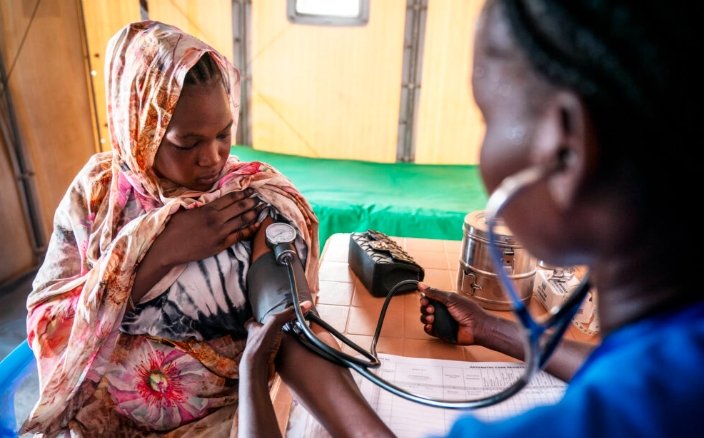
Get Vaccinated for Strong Protection
Vaccination stands as the top way to fight the flu. For the 2025-2026 season, shots target three main viruses, including A(H1N1), A(H3N2), and B/Victoria.
Even if not a perfect match to subclade K, the vaccine cuts your risk of severe illness by 30 to 40 percent. It lowers chances of hospital stays and helps reduce overall spread in communities.
Most vaccines lack thimerosal as a preservative, and supply reaches about 154 million doses nationwide. Everyone over six months should get one, ideally by late October, but it is never too late.
Pregnant women, kids, and those with chronic conditions gain the most benefit. Many insurance plans cover the cost, and clinics offer easy access.
Daily Habits to Stop Germs in Their Tracks
Simple actions can block flu spread and keep you healthy. Experts stress these basics, especially in crowded spots or during peak season.
Wash hands often with soap and water for at least 20 seconds, or use hand sanitizer with 60 percent alcohol. Avoid touching your face, as germs enter through eyes, nose, and mouth.
Cover coughs and sneezes with a tissue or your elbow, not hands. Clean shared surfaces like doorknobs and phones regularly.
Stay home if sick to protect others. This step alone cuts transmission, particularly for vulnerable groups like the elderly.
Wear a well-fitted mask in public if you feel unwell or during outbreaks. Good air flow in rooms also helps dilute virus particles.
- Wash hands after touching public items.
- Avoid close contact with sick people.
- Eat a balanced diet and stay hydrated to boost immunity.
- Get enough sleep, as rest strengthens your body’s defenses.
When Symptoms Hit: What to Do Next
Flu signs include fever, cough, sore throat, fatigue, and body aches. They often start suddenly and last about a week, but watch for worsening.
If symptoms persist beyond four days or include high fever and shortness of breath, see a doctor. Early antiviral drugs like oseltamivir work best within 48 hours.
People with lung issues or weakened immune systems face higher risks. Quick care can prevent complications like pneumonia.
Over-the-counter options help manage discomfort. Guaifenesin thins mucus, while dextromethorphan eases coughs.
| Symptom | What It Means | Action to Take |
|---|---|---|
| High fever | Body fighting infection | Rest and hydrate; seek care if over 103°F |
| Severe cough | Possible lung involvement | Use cough medicine; see doctor if persistent |
| Shortness of breath | Sign of serious issue | Get medical help right away |
| Fatigue | Common with flu | Limit activity and sleep more |
Boost Your Defenses with Extra Tips
Beyond basics, some habits add layers of protection. Regular exercise and a diet rich in fruits and veggies support immune health.
Consider nasal sprays or gargles for those at high risk, as they may reduce virus entry. Stay informed through health alerts to track local outbreaks.
Talk to your doctor about personal risks and tailored advice. Combining these steps creates a strong shield against the flu.
We want to hear from you. Share your flu prevention stories in the comments below, and pass this article to friends to help them stay healthy too.