
News
Mesa County Backs Snowpack Forecasting Bill

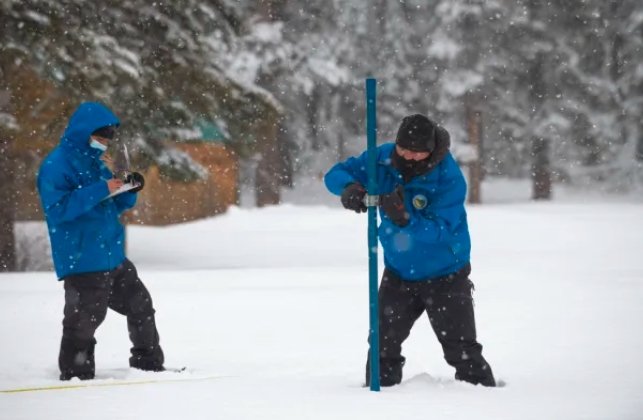
Mesa County Commissioners in Colorado have thrown their support behind a federal bill to extend snowpack water supply forecasting through 2031. The board approved a letter this week backing the Snowpack Water Supply Forecasting Reauthorization Act, which aims to improve water management in western states amid ongoing drought concerns.
Bill Aims to Boost Water Predictions
The legislation focuses on reauthorizing a key federal program that uses advanced technology for better snowpack measurements. This program integrates real time data to provide accurate forecasts for water supplies, helping communities prepare for droughts, floods, and varying water needs.
Sponsored by Representative Jeff Hurd, the bill has already passed the House and now sits with the Senate Committee on Energy and Natural Resources. It builds on efforts to modernize snowpack tracking, which is vital for regions relying on mountain snowmelt for water.
Experts say such tools are crucial as climate patterns shift, leading to unpredictable weather. For instance, recent storms in California have boosted snowpack to 71 percent of average, but other areas like Utah face record low levels early in 2026.
Commissioners Voice Strong Support
During their meeting on January 6, 2026, the Mesa County Board of Commissioners unanimously approved the letter of support. Commissioner JJ Fletcher highlighted the importance of accurate data for local agriculture and municipal water suppliers.
He explained that knowing snowpack levels helps forecast if there will be enough water to meet demands. This is especially relevant in Mesa County, where water resources support farming and urban growth.
The commissioners see the bill as essential for their community, which depends on reliable water predictions to plan ahead. Their action aligns with broader state efforts to secure water rights, including recent requests for federal funds related to the Shoshone water rights.
Why Snowpack Matters for the West
Snowpack serves as a natural reservoir for much of the western United States, feeding rivers and providing water for millions. In Colorado, it influences the Colorado River, which supplies water to about 40 million people across several states.
Recent data shows mixed results across the region. For example, late December 2025 storms delivered significant snow to California, improving statewide water supplies. However, Utah’s snowpack is off to its worst start in 25 years as of early January 2026.
Better forecasting can lead to smarter decisions, such as adjusting irrigation for farmers or preparing reservoirs for potential floods. This bill extends the program to 2031, ensuring continued investment in technology upgrades.
Key benefits of improved snowpack forecasting include:
- Enhanced drought planning for agriculture and cities.
- Reduced flood risks through timely warnings.
- Better resource allocation for hydropower and drinking water.
Legislative Path and Bipartisan Backing
The bill, known as HR 3857, gained momentum with support from both Republican and Democratic representatives. Colorado’s Jeff Hurd and Joe Neguse have worked together to advance it, showing rare bipartisan cooperation on water issues.
It passed the House in December 2025, marking a win for Hurd in his efforts to address western water challenges. Now in the Senate, advocates hope for quick action given the urgency of water security.
Similar initiatives at the state level, like Colorado’s own snowpack monitoring updates, mirror this federal push. The reauthorization would provide stability for programs that have proven effective in recent wet winters.
| Region | Current Snowpack Level (as of Jan 2026) | Percent of Average | Impact on Water Supply |
|---|---|---|---|
| California | 24 inches at key sites | 71% | Boosted reservoirs after storms |
| Utah | Record low start | Below 50% | Potential shortages for Colorado River |
| Colorado | Varies by basin | 60-80% | Critical for agriculture and rivers |
| Sierra Nevada | Significant gains from Dec storms | 50% at some locations | Aids statewide water needs |
Broader Implications for Water Security
This support from Mesa County comes at a time when water issues dominate headlines in the West. With climate change accelerating, experts predict further declines in snowpack, potentially halving levels in some areas over the next few decades.
Logical reasoning suggests that investing in forecasting now prevents costly emergencies later. For example, during the 2023 wet winter, abundant snowpack replenished reservoirs, but without accurate predictions, benefits could have been lost.
Other recent events, like New Mexico’s investments in rural water systems and ongoing Colorado River negotiations, underscore the need for tools like this bill. It could set a precedent for more federal aid in water infrastructure.
Communities across the region are watching closely, as better data means better preparation for dry spells or heavy melts.
What do you think about this bill’s potential impact on water management? Share your thoughts in the comments below and spread the word to keep the conversation going.












OpenAI Says Apple’s Trade Secret Lawsuit Lacks Any Merit

Lucid’s Bankruptcy Denial Can’t Quiet Wall Street’s Doubts

IBM Stock Suffers Its Worst Trading Day Since the 1987 Crash

Cheap Chinese AI Models Are Undercutting Anthropic and OpenAI

ASML’s AI Chip Forecast Lifts Futures, Deepens Market’s Big Bet

SK Hynix’s Nasdaq Shares Race Ahead of Seoul by Up to 51%

Meta Workers Sue Over AI Layoffs That Targeted Medical Leave

Taco Bell Pulls Lettuce as Michigan Cyclosporiasis Cases Top 3,300

PayPal’s Five-Year Slide Makes It a $53 Billion Target for Stripe

Mega Millions Jackpot Hits $672 Million, but Taxes Claim Nearly Half

Halo Studios Reverses PS Plus for Halo: Campaign Evolved on PS5

Black Ops 1 and 2 PS5 Ports: $40 Price Tag Has Fans Uneasy

Matt Brown Dismisses Rousey and Paul’s MVP MMA Ratings Win Over UFC

Star Wars: Galactic Racer Is a Roguelite Racer With a Podracing Skin

Julius Randle Traded to Nets as Wolves Reclaim Cap Space for Dosunmu

Sega’s $49.99 Sonic Classic and Modern Bundles Hit Switch in October

Colombia Edge DR Congo as Muñoz Books World Cup Knockout Place

Douze Dixièmes Closes Five Months After MIO: Memories in Orbit

Warriors Take Yaxel Lendeborg, the Oldest Pick in the 2026 NBA Draft

Meta’s Muse Image Lets Anyone Use Your Instagram Photos in AI
-

 TECHNOLOGY3 years ago
How to Adjust a Bulova Watch Band – An Easy Guide
-

 News3 years ago
Fred Pentland: Athletic Bilbao’s English mentor who changed the essence of Spanish football
-

 FINANCE3 years ago
Tax Planning for Every Season: Guide to Maximizing Your Tax Benefits
-

 Education3 years ago
African Ministers New Education Plan
-

 BUSINESS3 years ago
What is Entrepreneurial Operating System? A Comprehensive Guide to EOS
-

 Education3 years ago
Innovate Your Learning Journey with Technology and Enhance Education
-

 News3 years ago
Russians formally out of World Athletics Championships
-

 BUSINESS3 years ago
Top 9 Most Expensive American Cities to Rent an Apartment